Cable Seated Lateral Raise
A beginner isolation strength exercise that works the shoulders, using a cable machine.
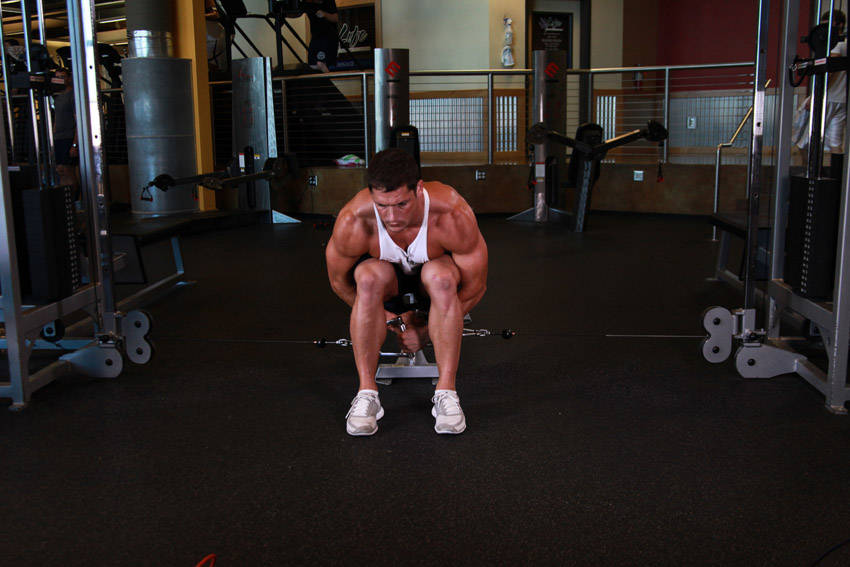 Starting position
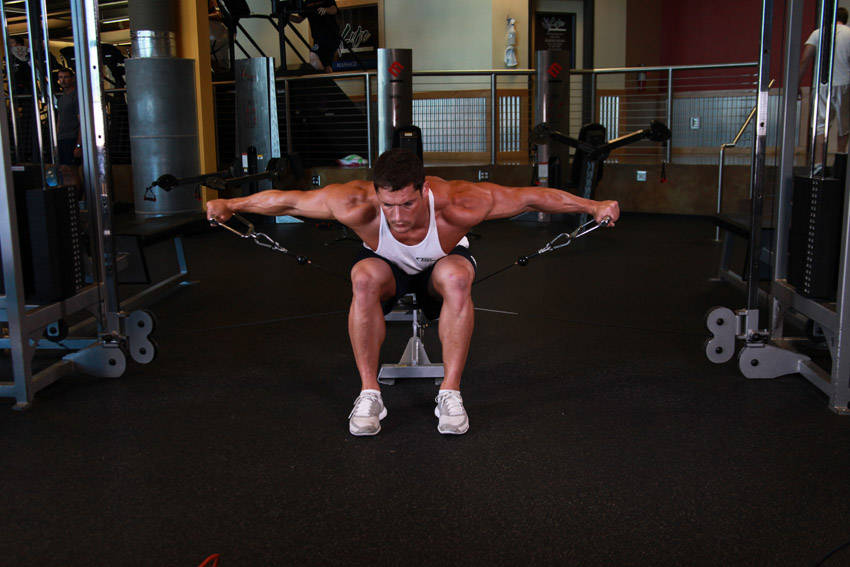 End position
How to Do Cable Seated Lateral Raise
- Stand in the middle of two low pulleys that are opposite to each other and place a flat bench right behind you (in perpendicular fashion to you; the narrow edge of the bench should be the one behind you). Select the weight to be used on each pulley.
- Now sit at the edge of the flat bench behind you with your feet placed in front of your knees.
- Bend forward while keeping your back flat and rest your torso on the thighs.
- Have someone give you the single handles attached to the pulleys. Grasp the left pulley with the right hand and the right pulley with the left after you select your weight. The pulleys should run under your knees and your arms will be extended with palms facing each other and a slight bend at the elbows. This will be the starting position.
- While keeping the arms stationary, raise the upper arms to the sides until they are parallel to the floor and at shoulder height. Exhale during the execution of this movement and hold the contraction for a second.
- Slowly lower your arms to the starting position as you inhale.
- Repeat for the recommended amount of repetitions. Tip: Maintain upper arms perpendicular to torso and a fixed elbow position (10 degree to 30 degree angle) throughout exercise.
Muscles Worked
Alternatives to Cable Seated Lateral Raise
10 movements that train the same primary muscle, closest substitutes first — same kind of training, then variations of the movement itself, then a similar difficulty.
-
1
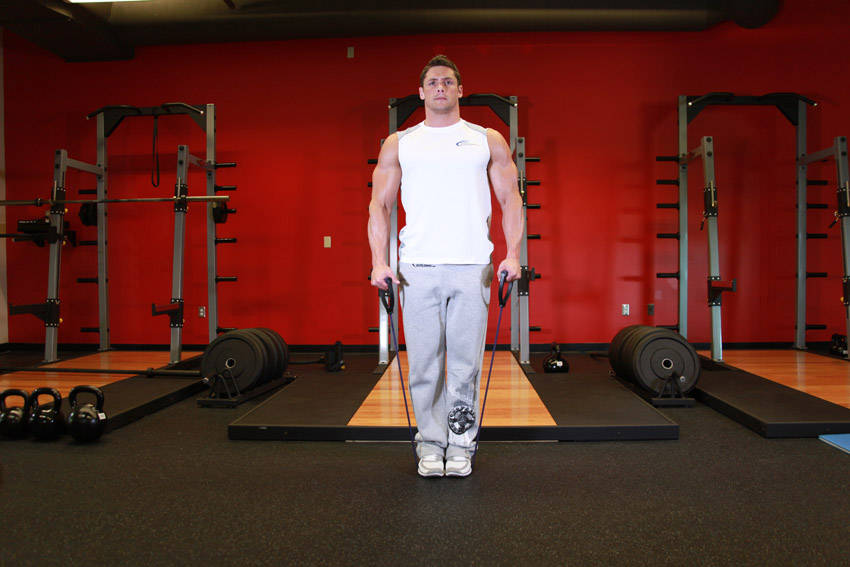
Lateral Raise - With Bands
A beginner isolation strength exercise that works the shoulders, using a resistance band.
-
2
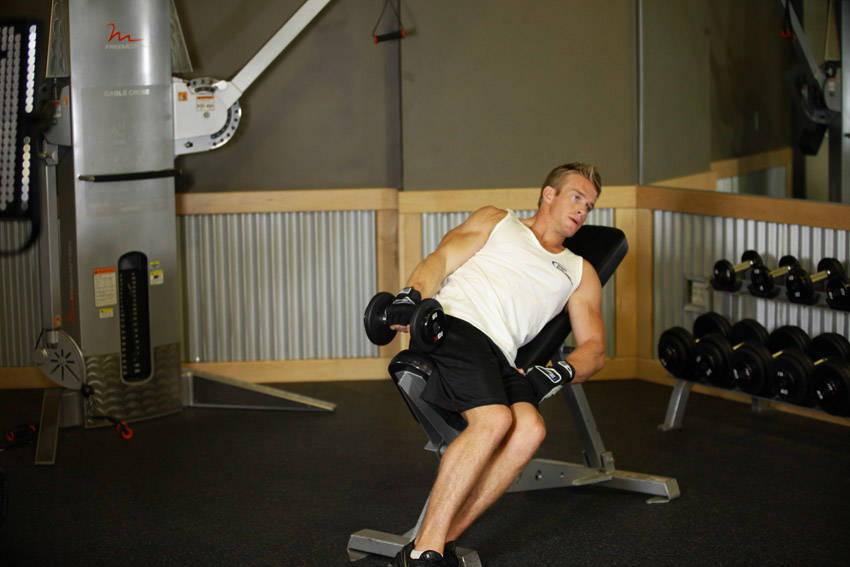
One-Arm Incline Lateral Raise
A beginner isolation strength exercise that works the shoulders, using dumbbells.
-
3
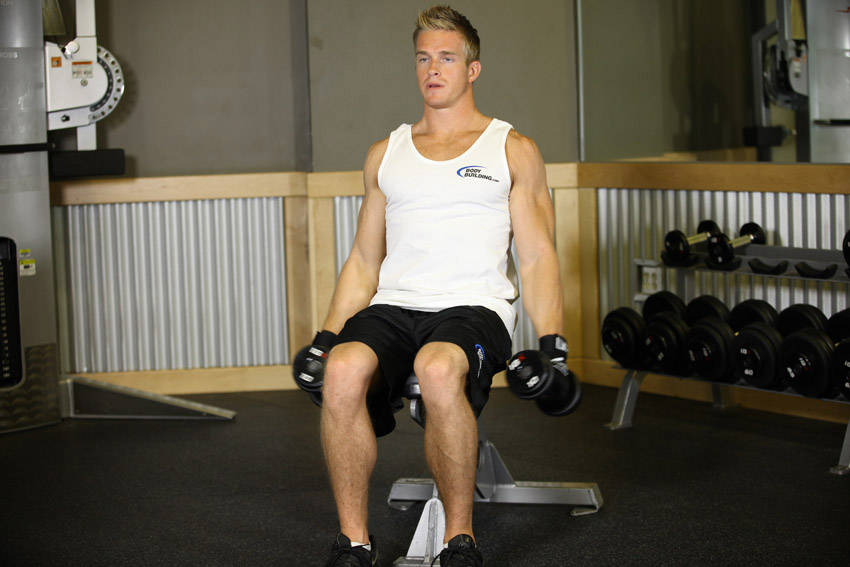
Seated Side Lateral Raise
A beginner isolation strength exercise that works the shoulders, using dumbbells.
-
4
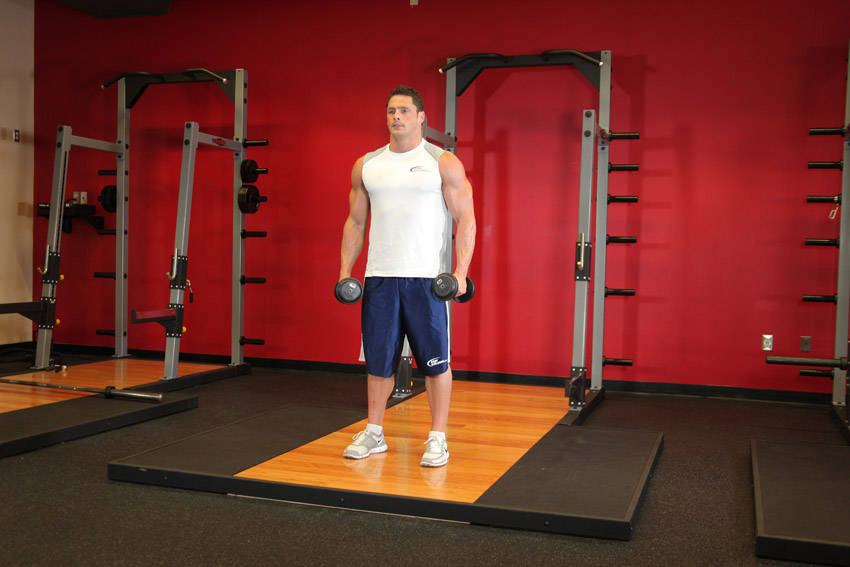
Side Lateral Raise
A beginner isolation strength exercise that works the shoulders, using dumbbells.
-
5
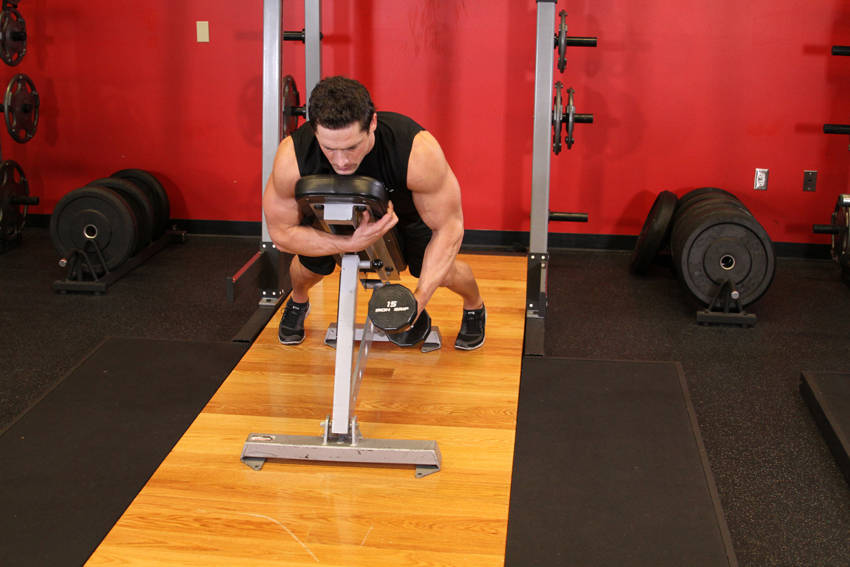
Dumbbell Lying One-Arm Rear Lateral Raise
An intermediate isolation strength exercise that works the shoulders, using dumbbells.
-
6
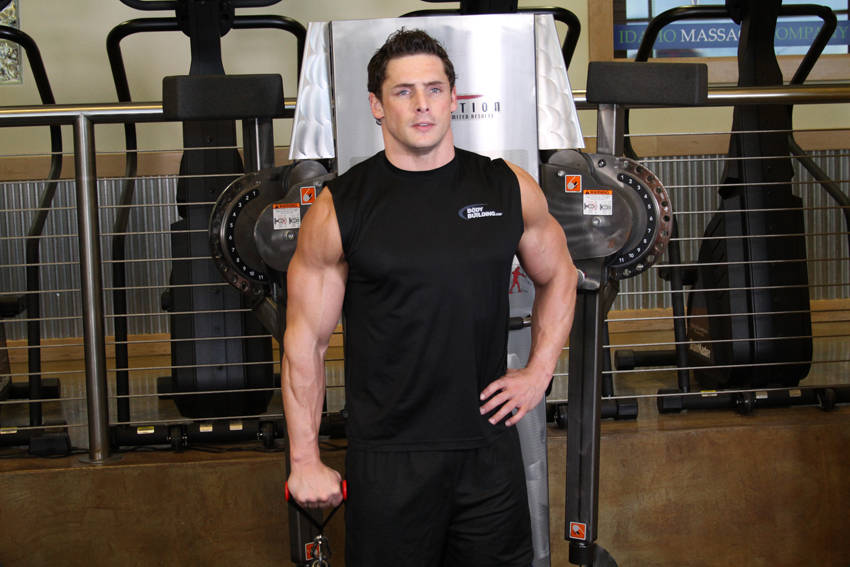
Front Cable Raise
A beginner isolation strength exercise that works the shoulders, using a cable machine.
-
7
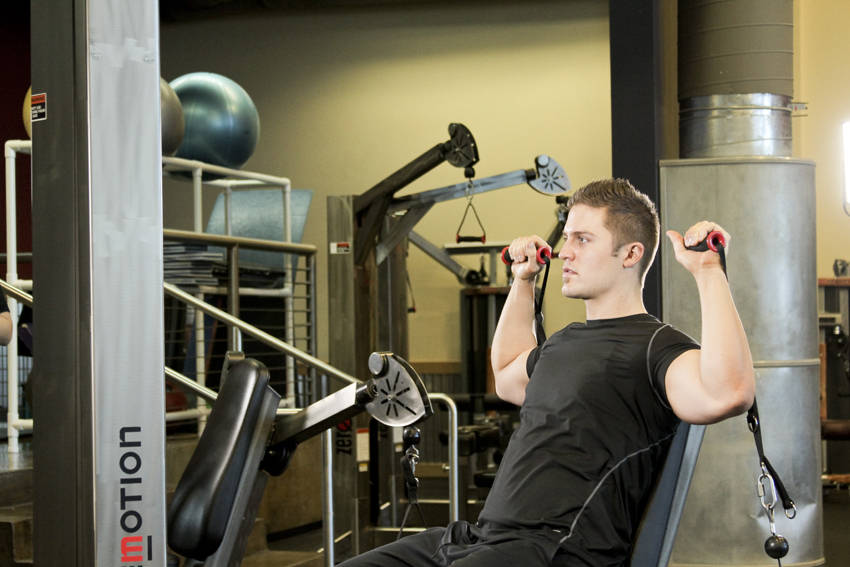
Seated Cable Shoulder Press
A beginner compound strength exercise that works the shoulders, using a cable machine.
-
8
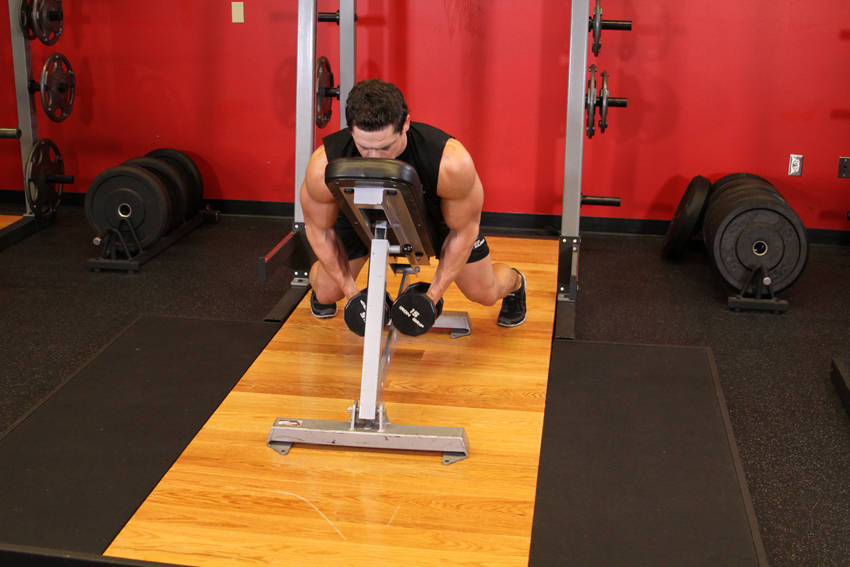
Dumbbell Lying Rear Lateral Raise
An intermediate isolation strength exercise that works the shoulders, using dumbbells.
-
9
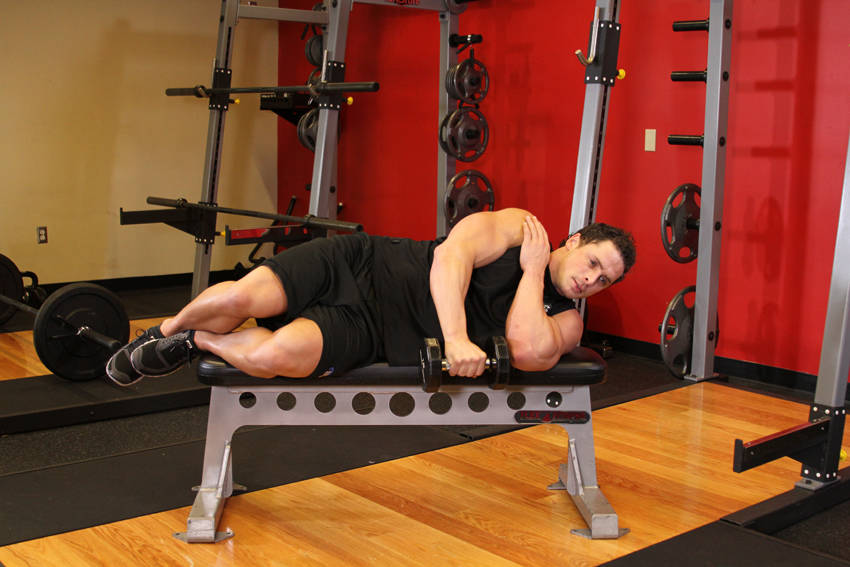
Lying One-Arm Lateral Raise
An intermediate isolation strength exercise that works the shoulders, using dumbbells.
-
10
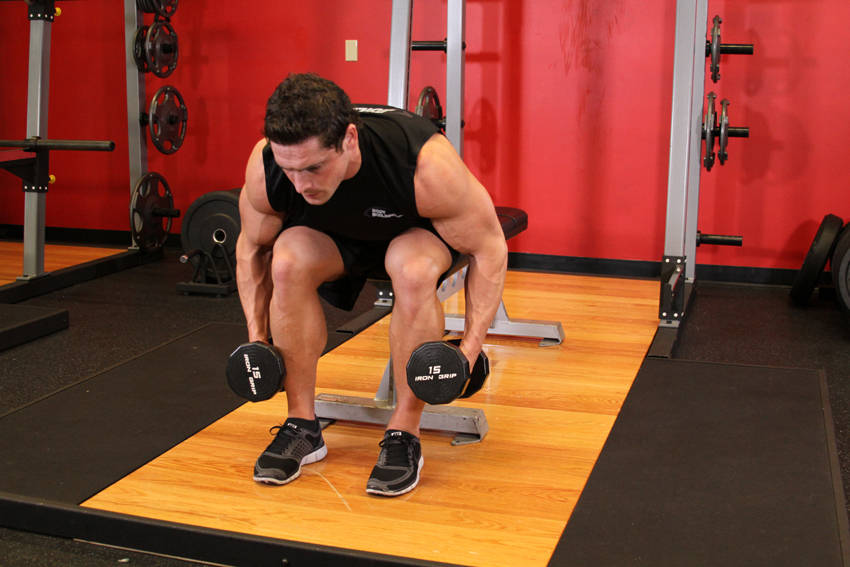
Seated Bent-Over Rear Delt Raise
An intermediate isolation strength exercise that works the shoulders, using dumbbells.
Frequently Asked Questions
What muscles do cable seated lateral raise work?
Cable Seated Lateral Raise primarily works the shoulders. The upper back and traps assist as secondary muscles.
What equipment do I need for cable seated lateral raise?
Cable Seated Lateral Raise uses cable machine.
Cable Seated Lateral Raise: is it suitable for beginners?
Yes. Cable Seated Lateral Raise is rated beginner. Movements you can learn in a session, with a low skill floor and a forgiving failure mode.
What can I do instead of cable seated lateral raise?
Lateral Raise - With Bands, One-Arm Incline Lateral Raise, Seated Side Lateral Raise train the same primary muscles and are listed with 7 more alternatives above.
Can Fitnit count my cable seated lateral raise reps automatically?
Not automatically yet. Fitnit's AI rep counting covers push-ups, squats, dumbbell curls, crunches and pull-ups today; cable seated lateral raise can be logged manually in the app, and tracked movements are added over time.
Photographs and step-by-step instructions from free-exercise-db, a public-domain exercise dataset. Muscle mapping and alternatives by Fitnit.
Track Your Cable Seated Lateral Raise with AI
Fitnit automatically tracks push-ups, crunches, squats, pull-ups, and curls with advanced body tracking technology — and you can manually input any other workout too. Start free — Pro is $8.99/month.