Looking At Ceiling
A beginner isolation mobility exercise that works the quads.
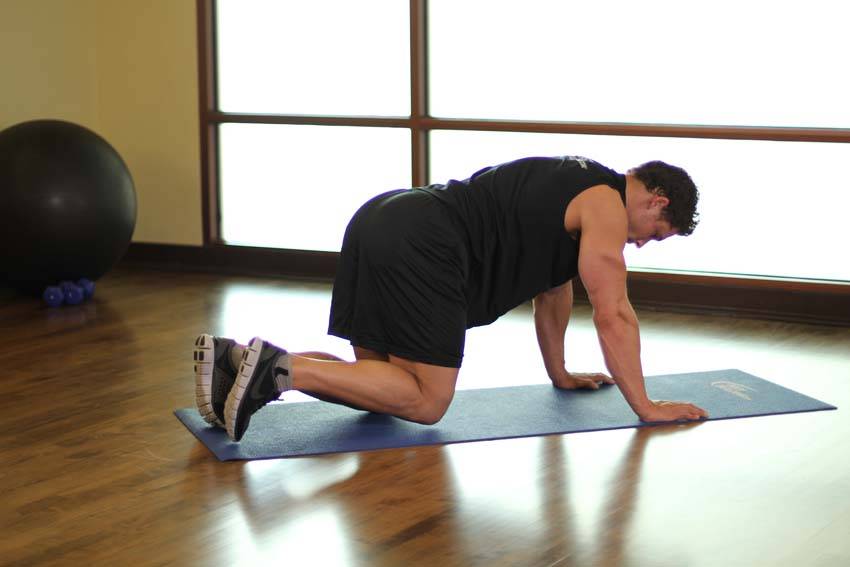 Starting position
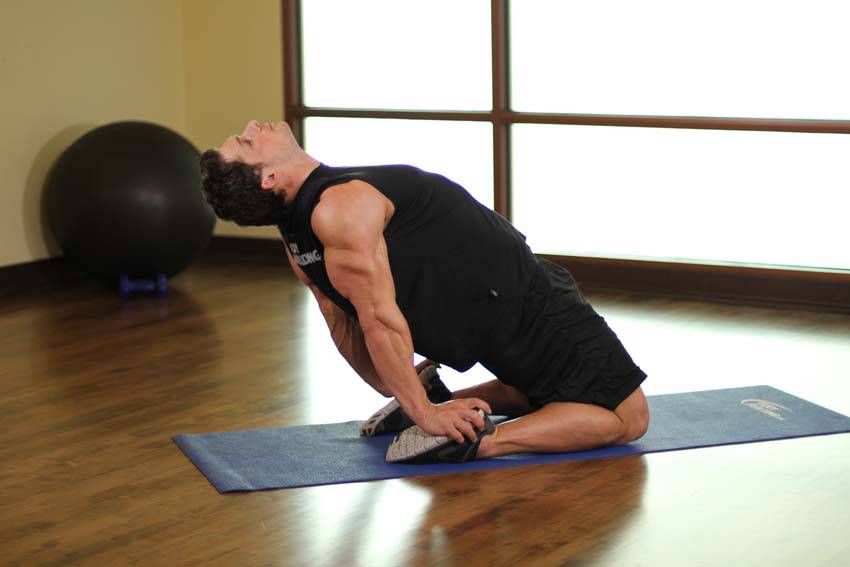 End position
How to Do Looking At Ceiling
- Kneel on the floor, holding your heels with both hands.
- Lift your buttocks up and forward while bringing your head back to look up at the ceiling, to give an arch in your back.
Muscles Worked
Alternatives to Looking At Ceiling
10 movements that train the same primary muscle, closest substitutes first — same kind of training, then variations of the movement itself, then a similar difficulty.
-
1
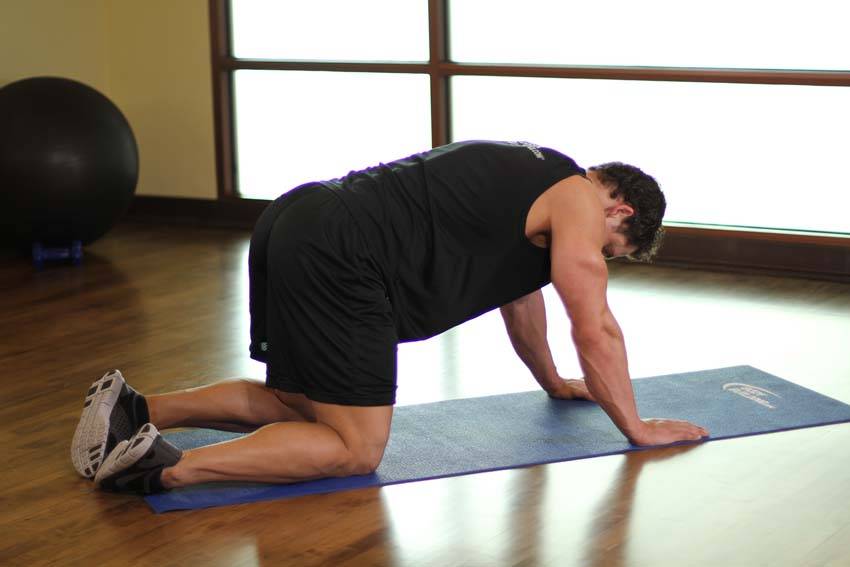
Rear Leg Raises
A beginner mobility exercise that works the quads, needing no equipment.
-
2
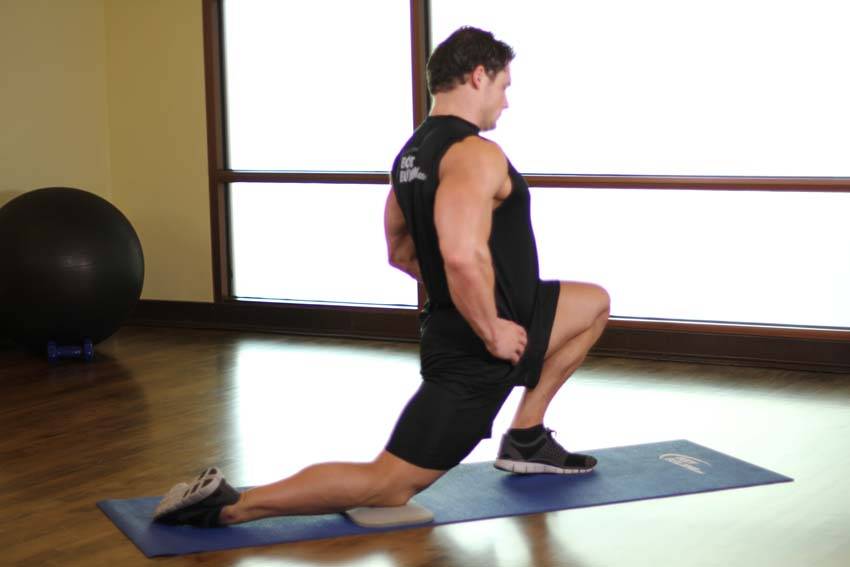
Kneeling Hip Flexor
A beginner isolation mobility exercise that works the quads.
-
3
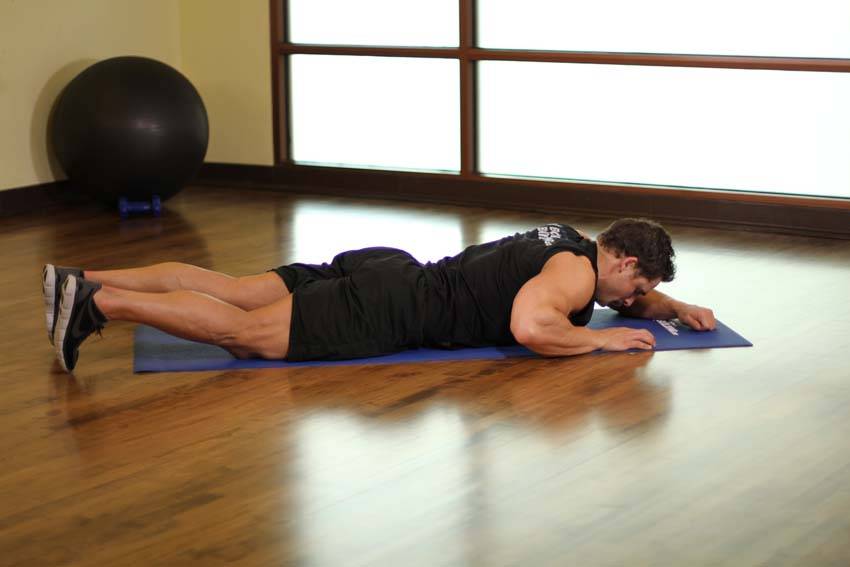
On Your Side Quad Stretch
A beginner isolation mobility exercise that works the quads.
-
4
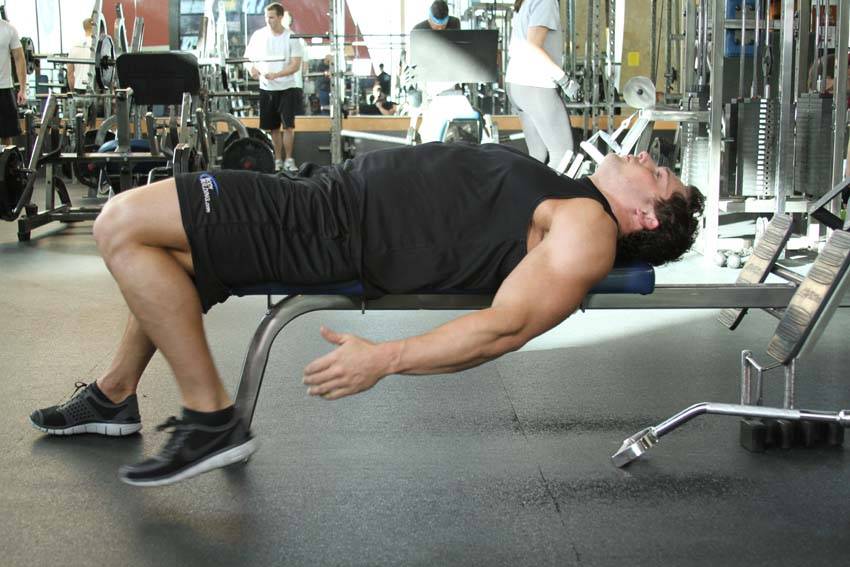
On-Your-Back Quad Stretch
A beginner isolation mobility exercise that works the quads.
-
5
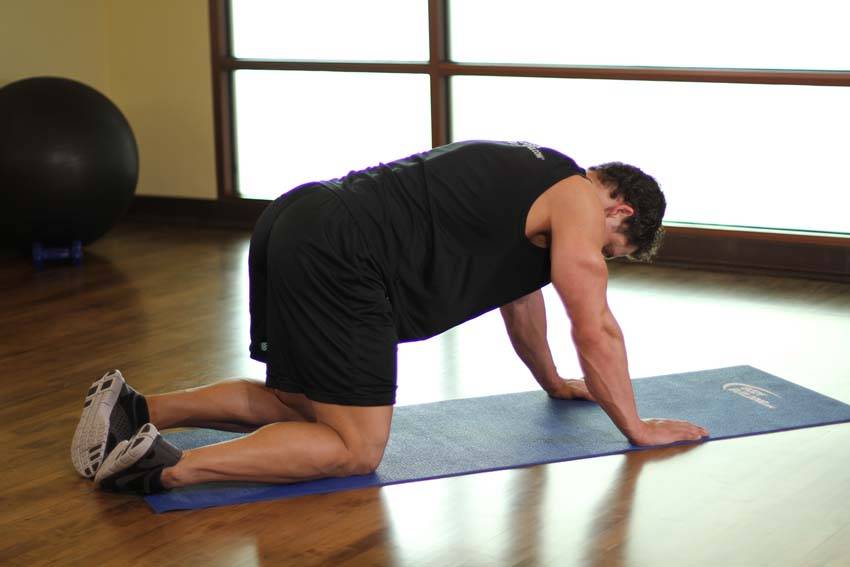
One Half Locust
A beginner mobility exercise that works the quads.
-
6
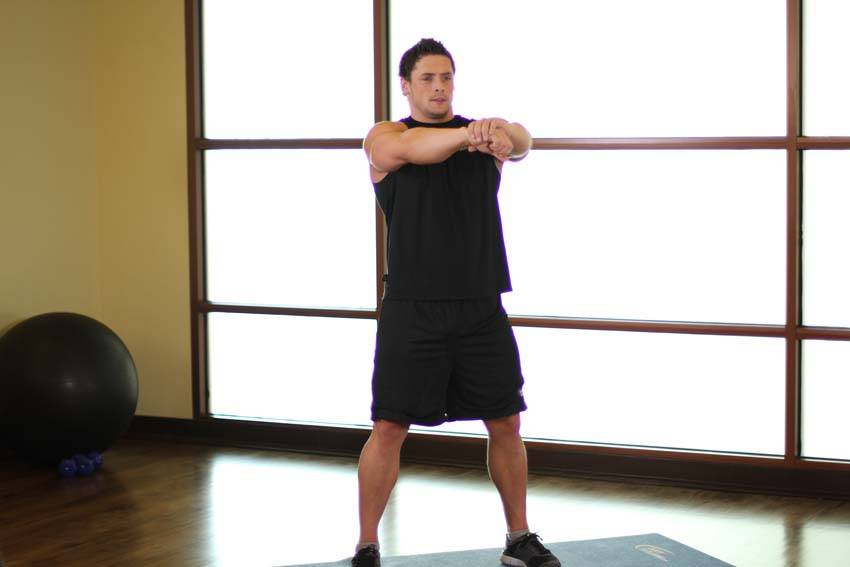
Sit Squats
A beginner mobility exercise that works the quads.
-
7
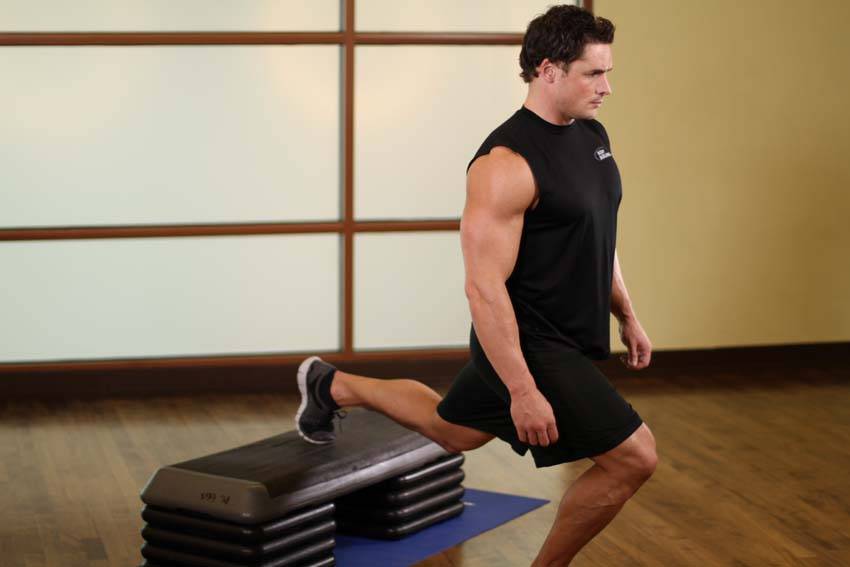
Standing Elevated Quad Stretch
A beginner mobility exercise that works the quads.
-
8
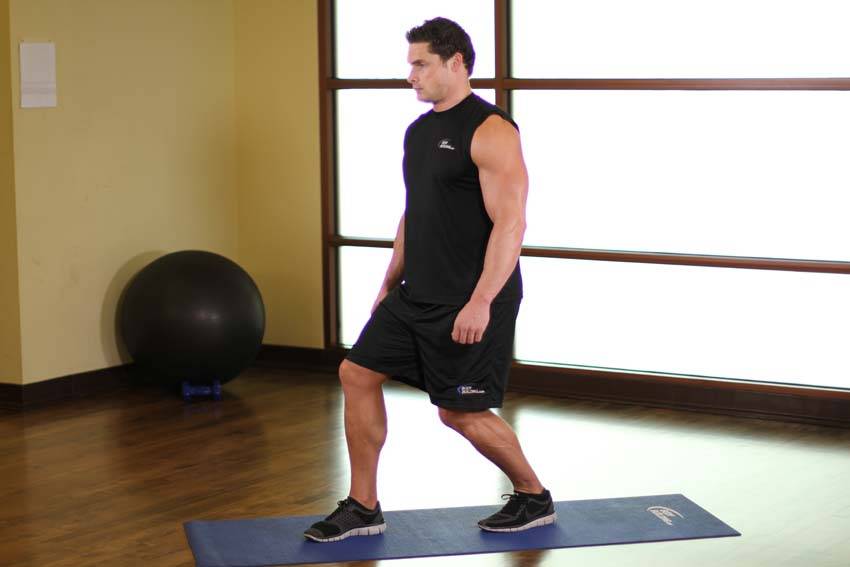
Standing Hip Flexors
A beginner isolation mobility exercise that works the quads.
-
9
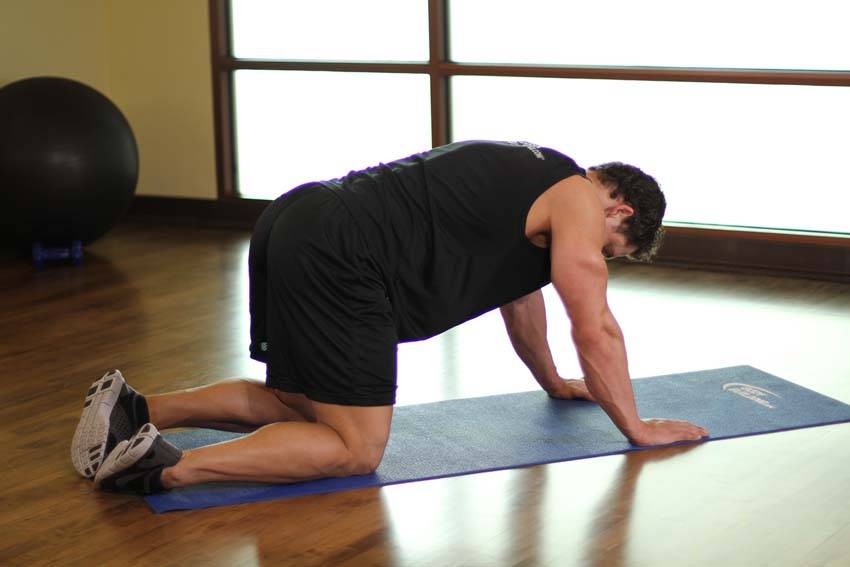
All Fours Quad Stretch
An intermediate mobility exercise that works the quads, needing no equipment.
-
10
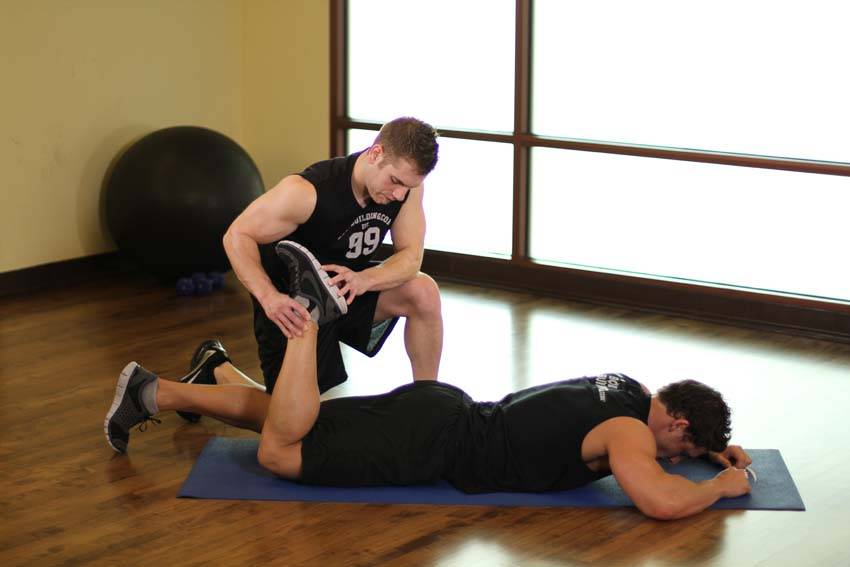
Lying Prone Quadriceps
An advanced mobility exercise that works the quads, needing no equipment.
Frequently Asked Questions
What muscles do looking at ceiling work?
Looking At Ceiling primarily works the quads.
What equipment do I need for looking at ceiling?
The source dataset does not record equipment for looking at ceiling. Check the instructions above before you set up.
Looking At Ceiling: is it suitable for beginners?
Yes. Looking At Ceiling is rated beginner. Movements you can learn in a session, with a low skill floor and a forgiving failure mode.
What can I do instead of looking at ceiling?
Rear Leg Raises, Kneeling Hip Flexor, On Your Side Quad Stretch train the same primary muscles and are listed with 7 more alternatives above.
How do I log looking at ceiling in Fitnit?
As time held rather than reps. Fitnit records the seconds and credits them to the quads on your body map, so you can see which muscles you train hard and never stretch.
Photographs and step-by-step instructions from free-exercise-db, a public-domain exercise dataset. Muscle mapping and alternatives by Fitnit.
Track Your Looking At Ceiling with AI
Fitnit automatically tracks push-ups, crunches, squats, pull-ups, and curls with advanced body tracking technology — and you can manually input any other workout too. Start free — Pro is $8.99/month.