Trail Running/Walking
A beginner cardio exercise that works the quads.
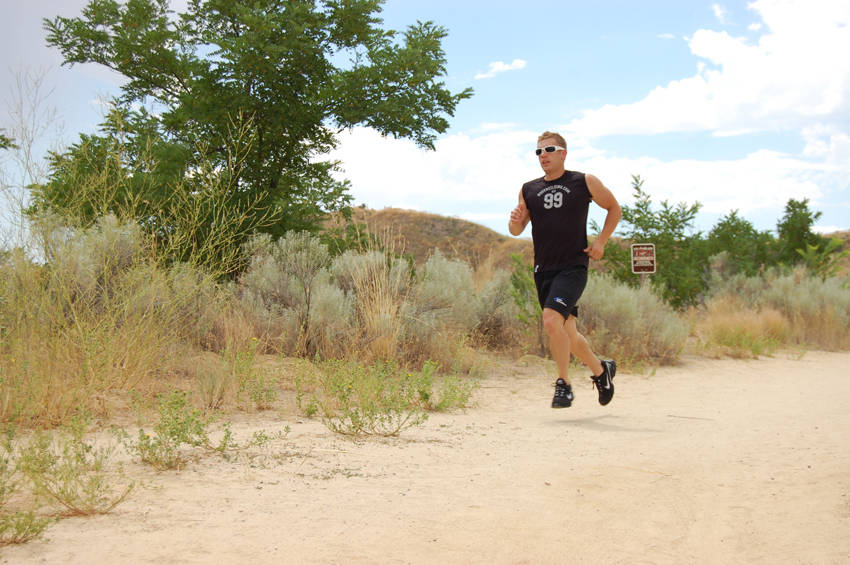 Starting position
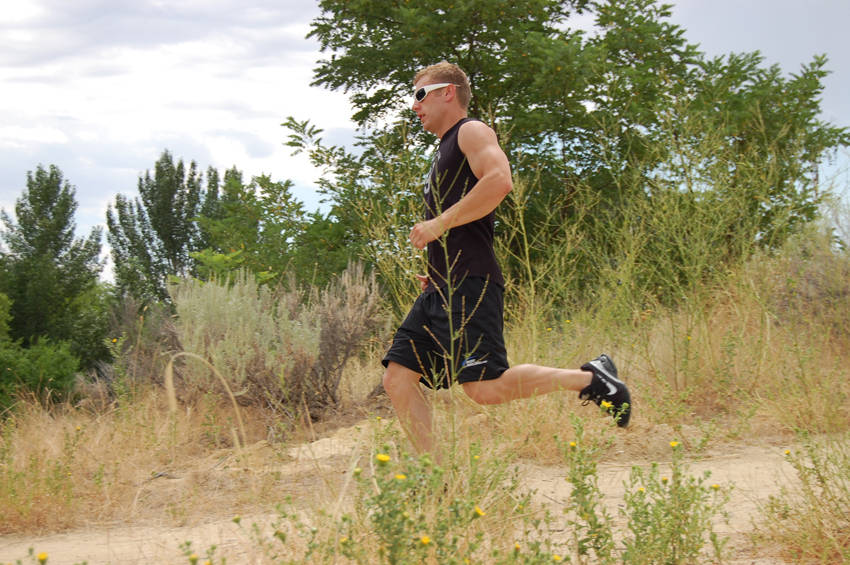 End position
How to Do Trail Running/Walking
- Running or hiking on trails will get the blood pumping and heart beating almost immediately. Make sure you have good shoes. While you use the muscles in your calves and buttocks to pull yourself up a hill, the knees, joints and ankles absorb the bulk of the pounding coming back down. Take smaller steps as you walk downhill, keep your knees bent to reduce the impact and slow down to avoid falling.
- A 150 lb person can burn over 200 calories for 30 minutes walking uphill, compared to 175 on a flat surface. If running the trail, a 150 lb person can burn well over 500 calories in 30 minutes.
Muscles Worked
Alternatives to Trail Running/Walking
10 movements that train the same primary muscle, closest substitutes first — same kind of training, then variations of the movement itself, then a similar difficulty.
-
1
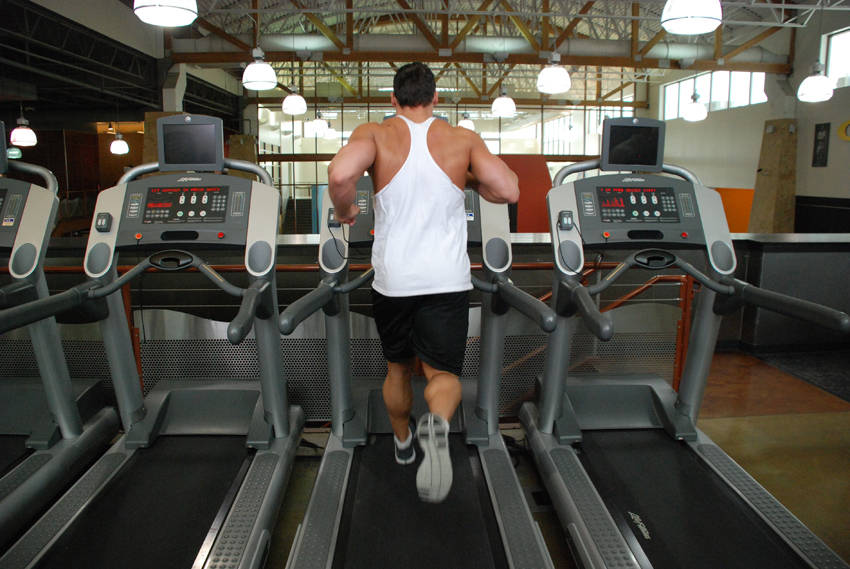
Running, Treadmill
A beginner cardio exercise that works the quads, using a machine.
-
2
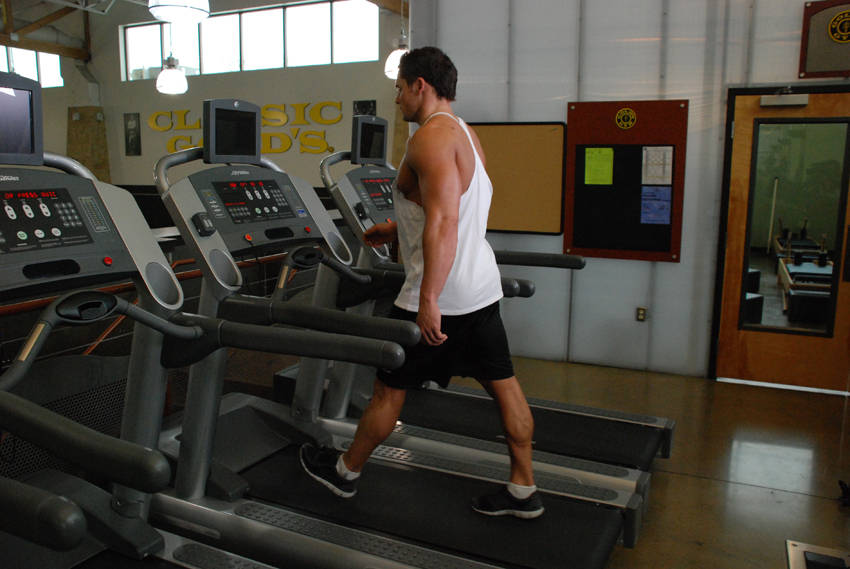
Walking, Treadmill
A beginner cardio exercise that works the quads, using a machine.
-
3
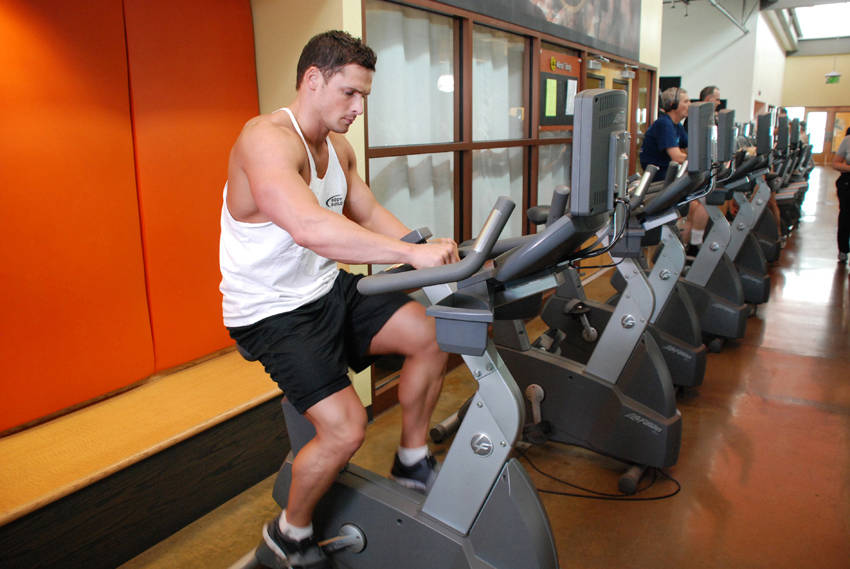
Bicycling, Stationary
A beginner cardio exercise that works the quads, using a machine.
-
4
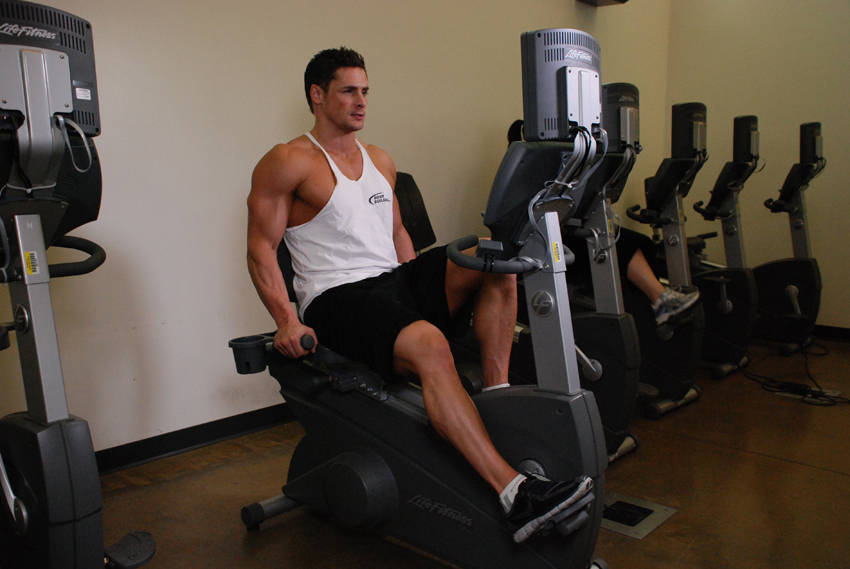
Recumbent Bike
A beginner cardio exercise that works the quads, using a machine.
-
5
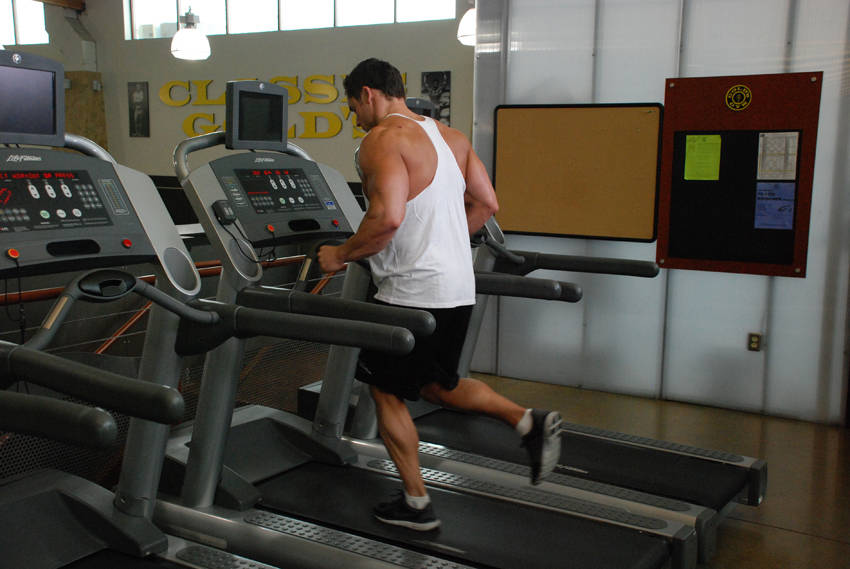
Jogging, Treadmill
A beginner cardio exercise that works the quads, using a machine.
-
6
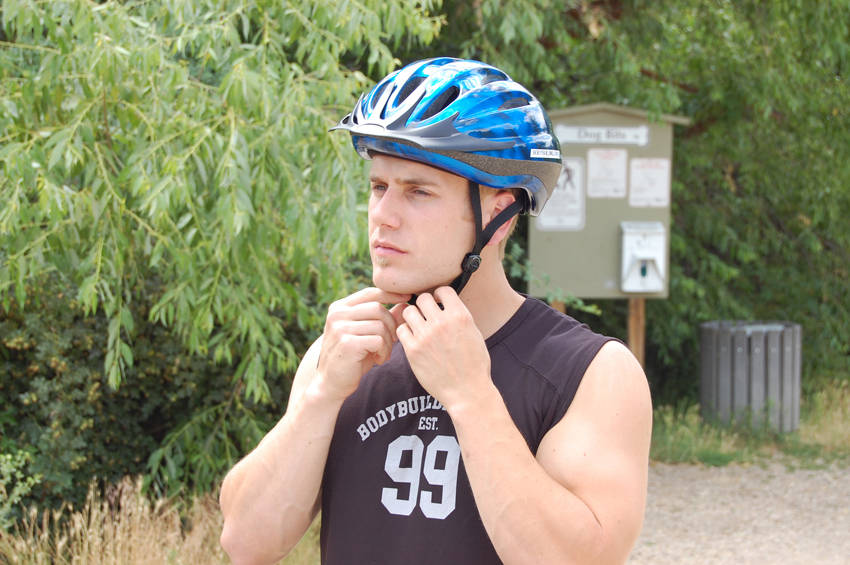
Bicycling
A beginner cardio exercise that works the quads.
-
7
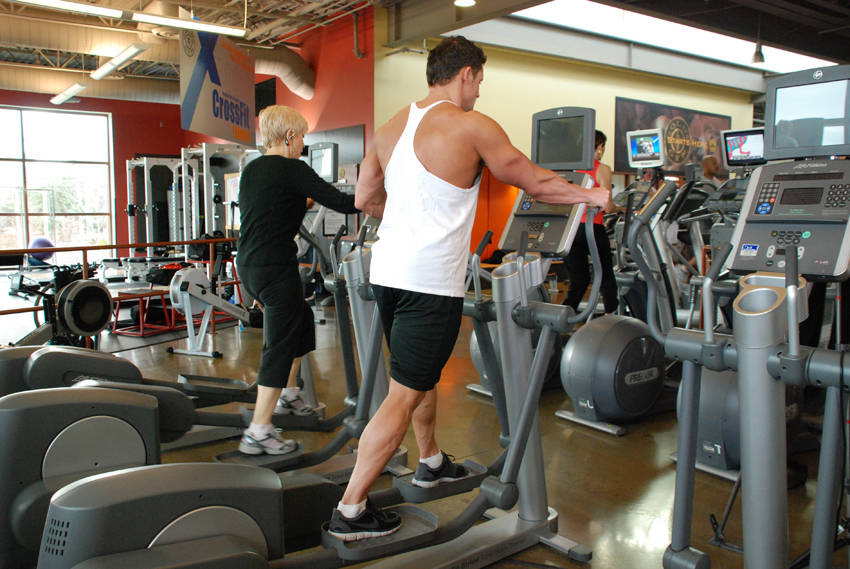
Elliptical Trainer
An intermediate cardio exercise that works the quads, using a machine.
-
8
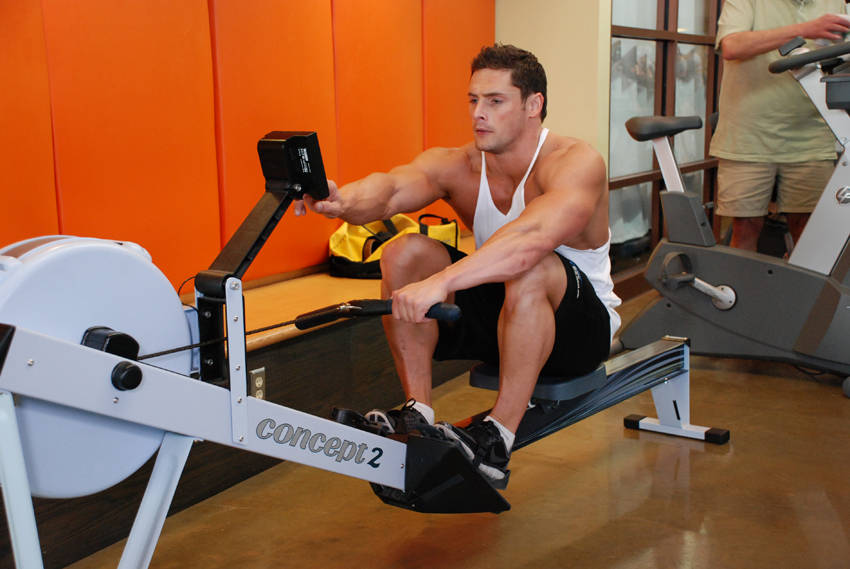
Rowing, Stationary
An intermediate cardio exercise that works the quads, using a machine.
-
9
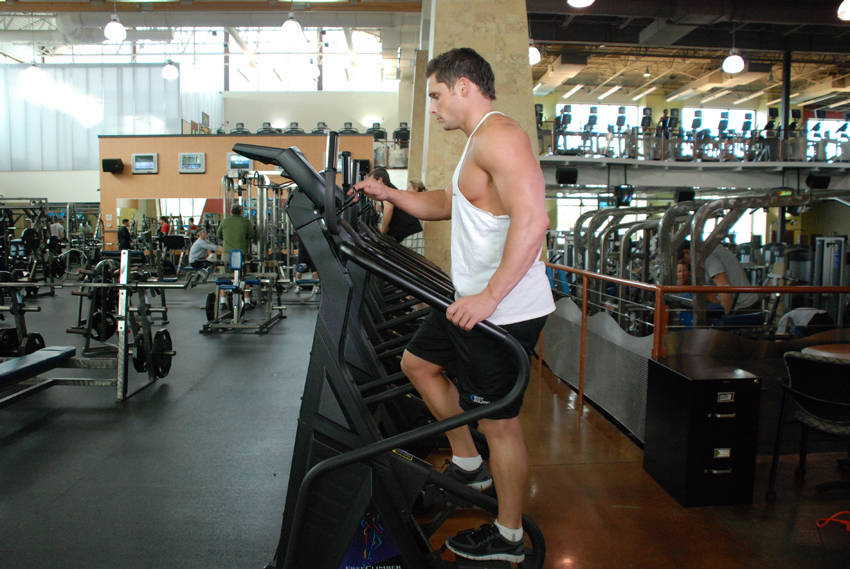
Stairmaster
An intermediate cardio exercise that works the quads, using a machine.
-
10
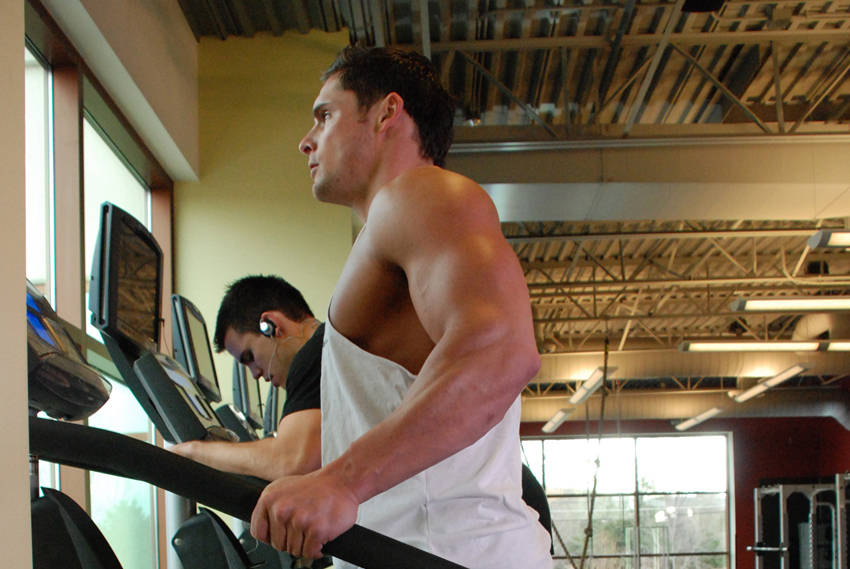
Step Mill
An intermediate cardio exercise that works the quads, using a machine.
Frequently Asked Questions
What muscles do trail running/walking work?
Trail Running/Walking primarily works the quads. The calves, glutes and hamstrings assist as secondary muscles.
What equipment do I need for trail running/walking?
The source dataset does not record equipment for trail running/walking. Check the instructions above before you set up.
Trail Running/Walking: is it suitable for beginners?
Yes. Trail Running/Walking is rated beginner. Movements you can learn in a session, with a low skill floor and a forgiving failure mode.
What can I do instead of trail running/walking?
Running, Treadmill, Walking, Treadmill, Bicycling, Stationary train the same primary muscles and are listed with 7 more alternatives above.
How do I log trail running/walking in Fitnit?
As a duration. Fitnit logs the session length and counts it toward your weekly activity alongside your strength work.
Photographs and step-by-step instructions from free-exercise-db, a public-domain exercise dataset. Muscle mapping and alternatives by Fitnit.
Track Your Trail Running/Walking with AI
Fitnit automatically tracks push-ups, crunches, squats, pull-ups, and curls with advanced body tracking technology — and you can manually input any other workout too. Start free — Pro is $8.99/month.