Rowing, Stationary
An intermediate cardio exercise that works the quads, using a machine.
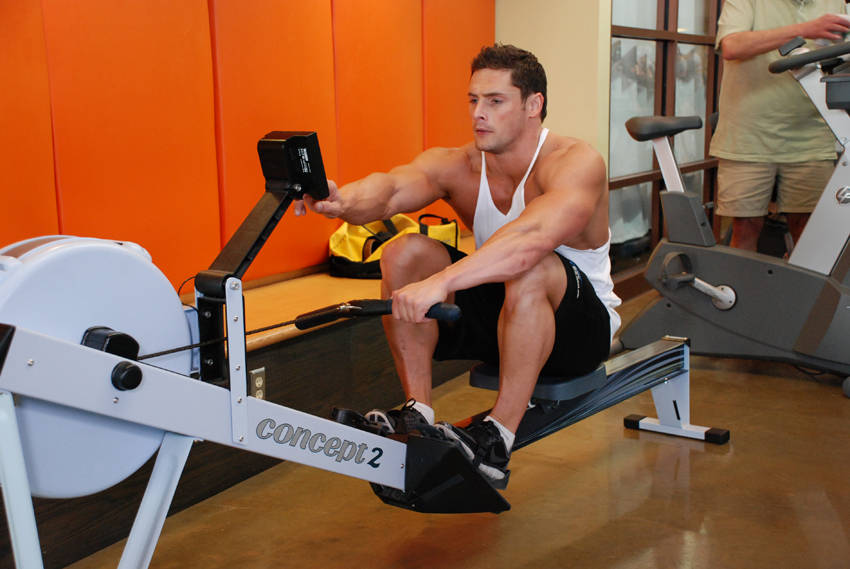 Starting position
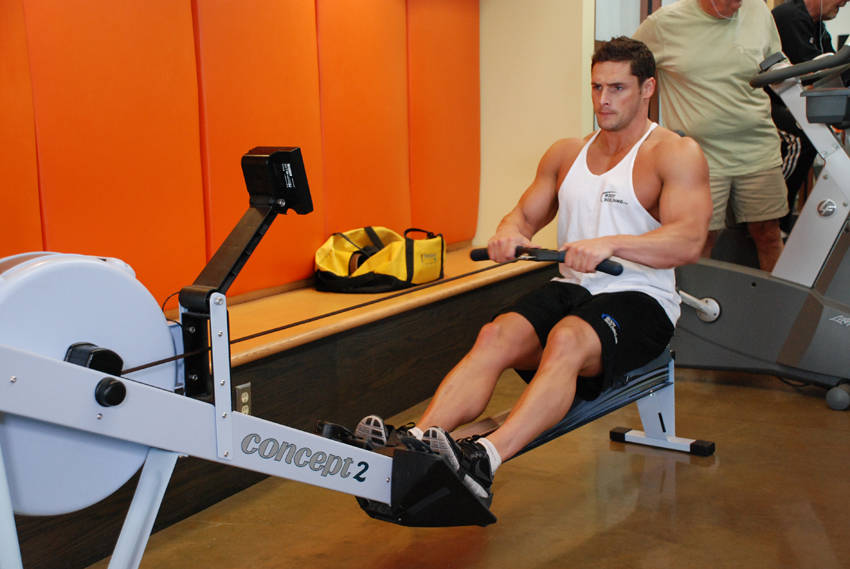 End position
How to Do Rowing, Stationary
- To begin, seat yourself on the rower. Make sure that your heels are resting comfortably against the base of the foot pedals and that the straps are secured. Select the program that you wish to use, if applicable. Sit up straight and bend forward at the hips.
- There are three phases of movement when using a rower. The first phase is when you come forward on the rower. Your knees are bent and against your chest. Your upper body is leaning slightly forward while still maintaining good posture. Next, push against the foot pedals and extend your legs while bringing your hands to your upper abdominal area, squeezing your shoulders back as you do so. To avoid straining your back, use primarily your leg and hip muscles.
- The recovery phase simply involves straightening your arms, bending the knees, and bringing your body forward again as you transition back into the first phase.
Muscles Worked
Alternatives to Rowing, Stationary
10 movements that train the same primary muscle, closest substitutes first — same kind of training, then variations of the movement itself, then a similar difficulty.
-
1
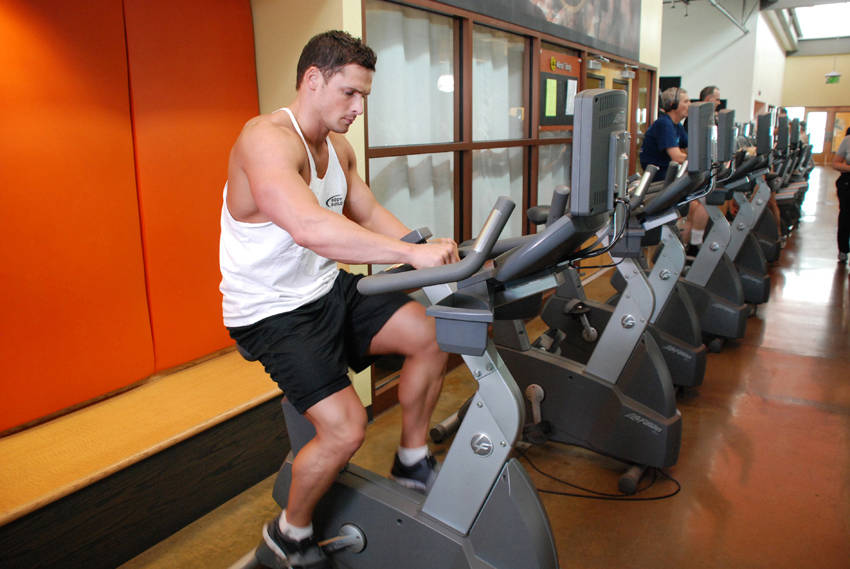
Bicycling, Stationary
A beginner cardio exercise that works the quads, using a machine.
-
2
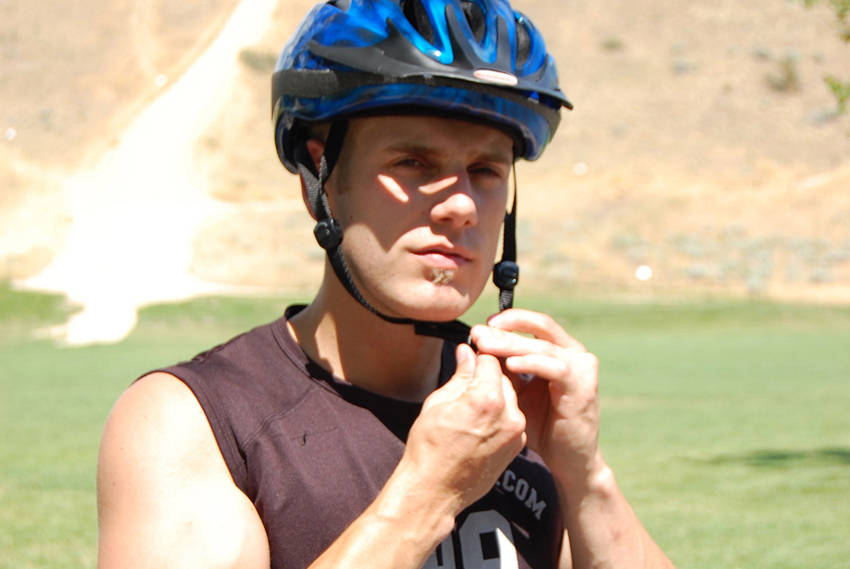
Skating
An intermediate cardio exercise that works the quads.
-
3
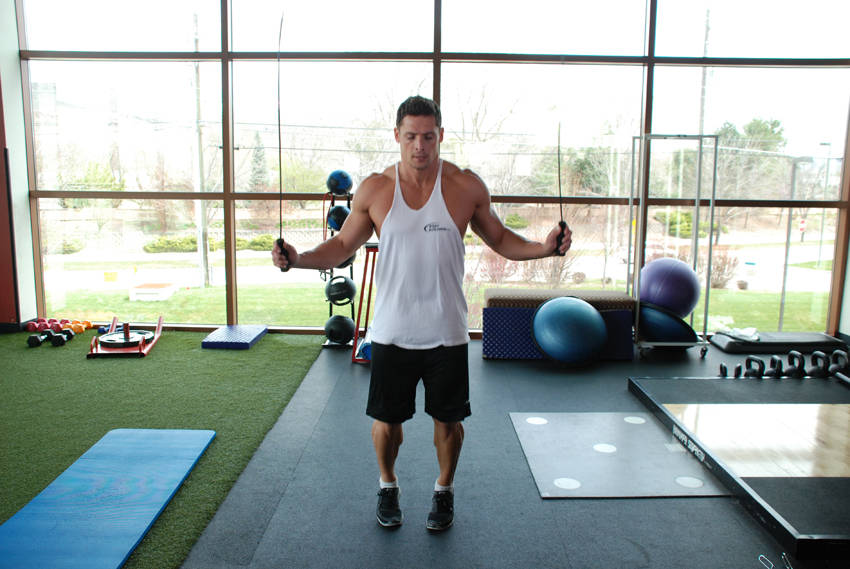
Rope Jumping
An intermediate cardio exercise that works the quads.
-
4
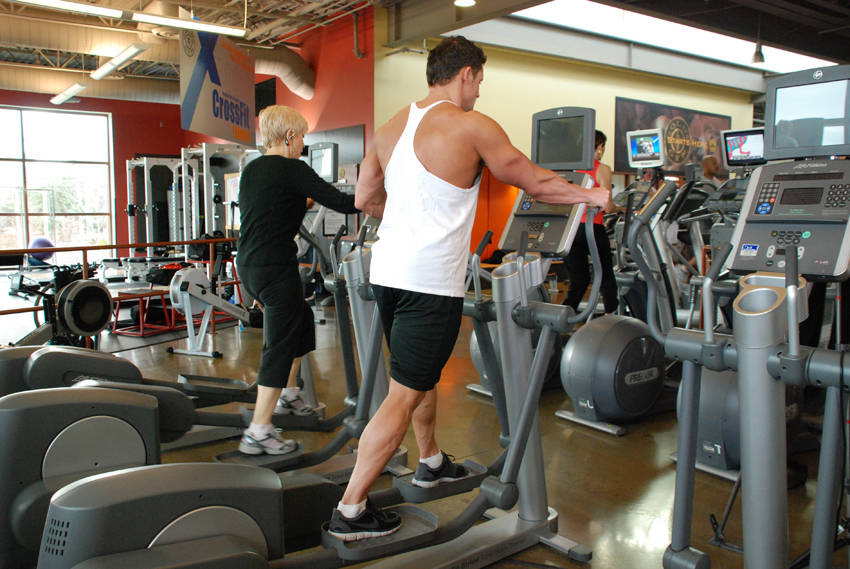
Elliptical Trainer
An intermediate cardio exercise that works the quads, using a machine.
-
5
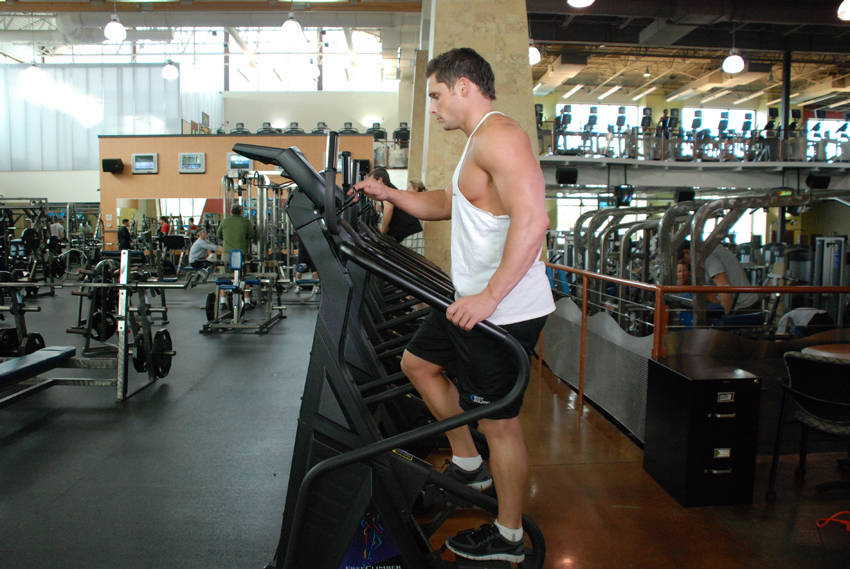
Stairmaster
An intermediate cardio exercise that works the quads, using a machine.
-
6
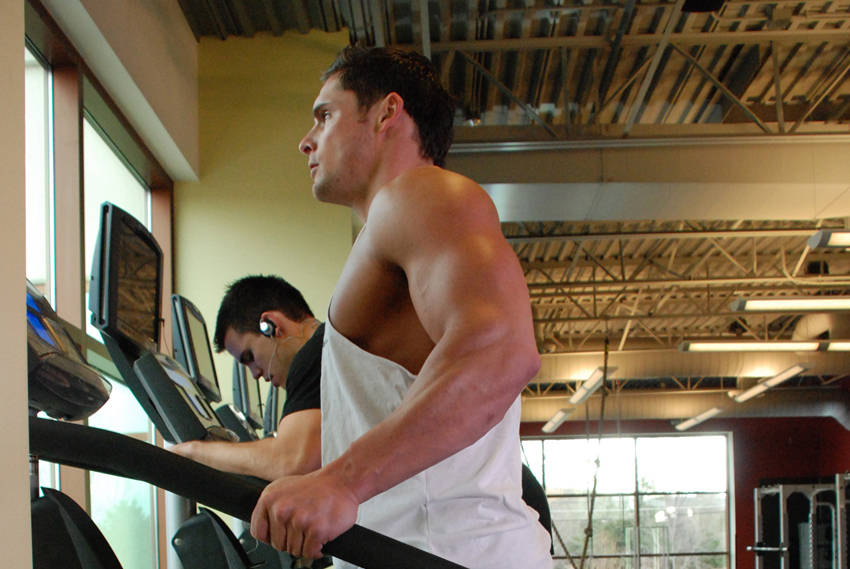
Step Mill
An intermediate cardio exercise that works the quads, using a machine.
-
7
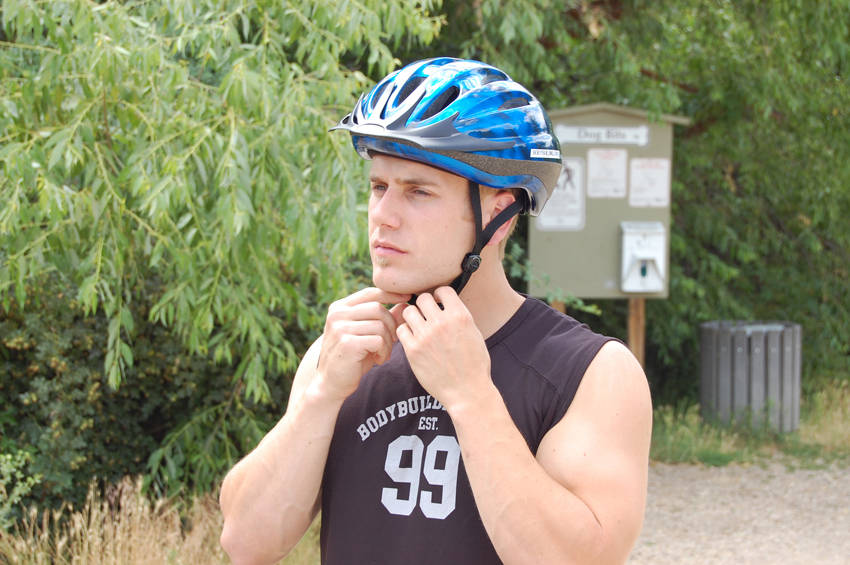
Bicycling
A beginner cardio exercise that works the quads.
-
8
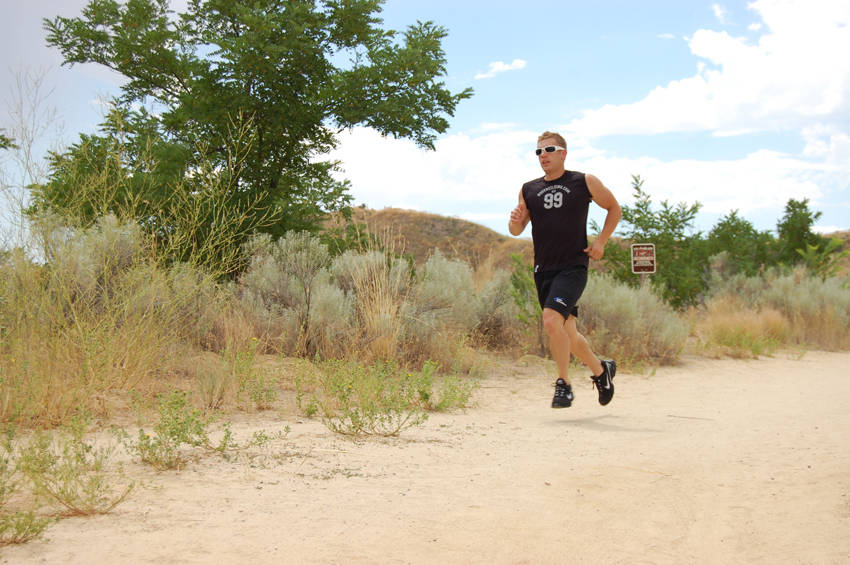
Trail Running/Walking
A beginner cardio exercise that works the quads.
-
9
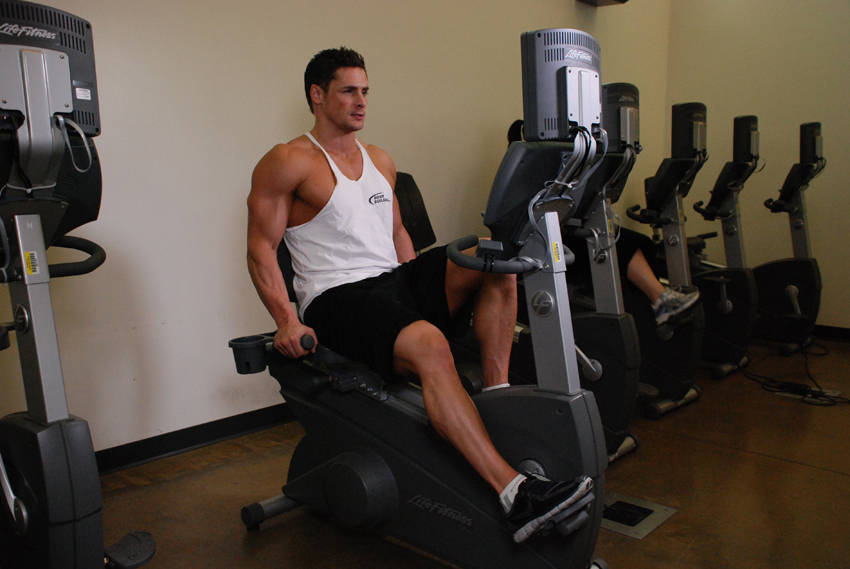
Recumbent Bike
A beginner cardio exercise that works the quads, using a machine.
-
10
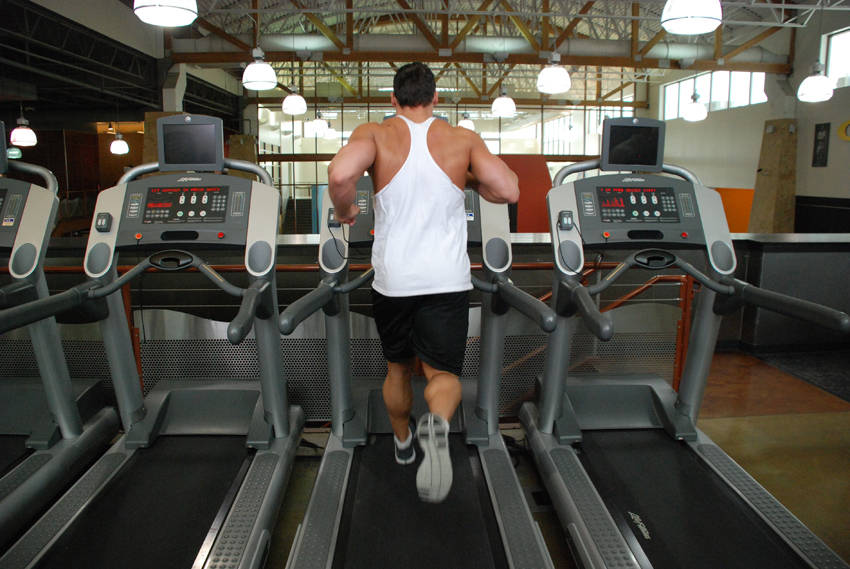
Running, Treadmill
A beginner cardio exercise that works the quads, using a machine.
Frequently Asked Questions
What muscles do rowing, stationary work?
Rowing, Stationary primarily works the quads. The biceps, calves, glutes, hamstrings, lower back and upper back assist as secondary muscles.
What equipment do I need for rowing, stationary?
Rowing, Stationary uses machines.
Rowing, Stationary: is it suitable for beginners?
Rowing, Stationary is rated intermediate. Movements that assume you already own the basic pattern and are ready to load it.
What can I do instead of rowing, stationary?
Bicycling, Stationary, Skating, Rope Jumping train the same primary muscles and are listed with 7 more alternatives above.
How do I log rowing, stationary in Fitnit?
As a duration. Fitnit logs the session length and counts it toward your weekly activity alongside your strength work.
Photographs and step-by-step instructions from free-exercise-db, a public-domain exercise dataset. Muscle mapping and alternatives by Fitnit.
Track Your Rowing, Stationary with AI
Fitnit automatically tracks push-ups, crunches, squats, pull-ups, and curls with advanced body tracking technology — and you can manually input any other workout too. Start free — Pro is $8.99/month.