Ball Leg Curl
A beginner isolation strength exercise that works the hamstrings, using an exercise ball.
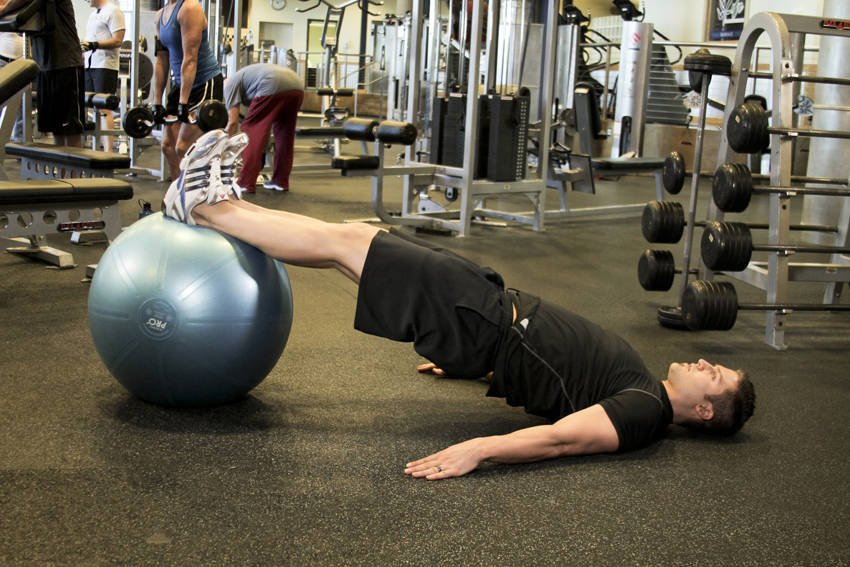 Starting position
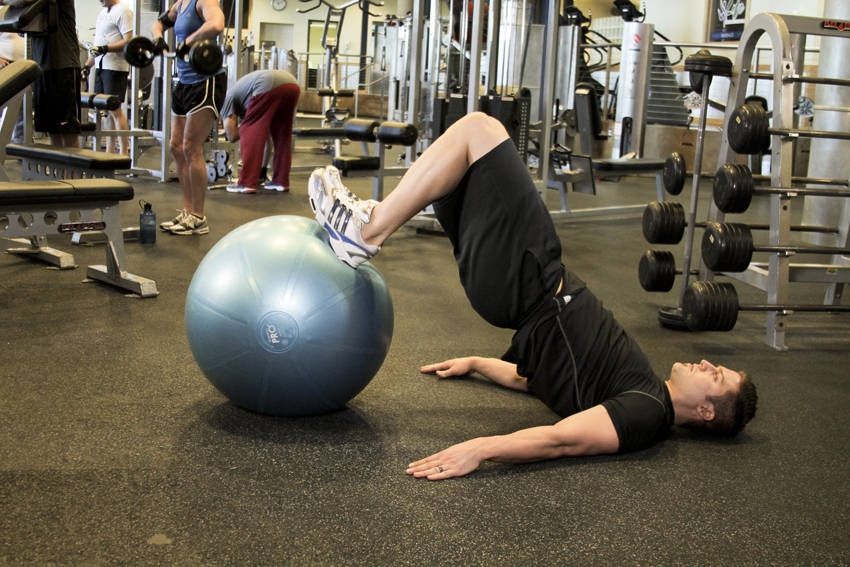 End position
How to Do Ball Leg Curl
- Begin on the floor laying on your back with your feet on top of the ball.
- Position the ball so that when your legs are extended your ankles are on top of the ball. This will be your starting position.
- Raise your hips off of the ground, keeping your weight on the shoulder blades and your feet.
- Flex the knees, pulling the ball as close to you as you can, contracting the hamstrings.
- After a brief pause, return to the starting position.
Muscles Worked
Alternatives to Ball Leg Curl
10 movements that train the same primary muscle, closest substitutes first — same kind of training, then variations of the movement itself, then a similar difficulty.
-
1
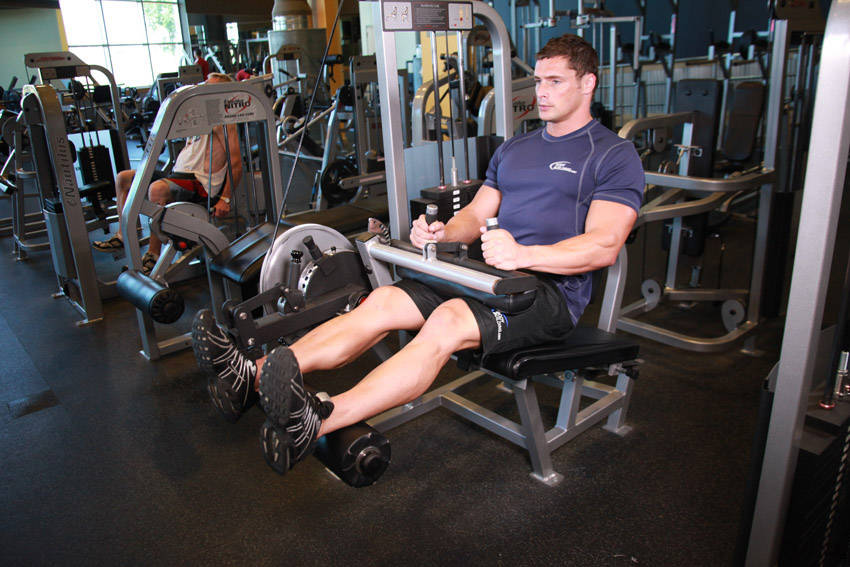
Seated Leg Curl
A beginner isolation strength exercise that works the hamstrings, using a machine.
-
2
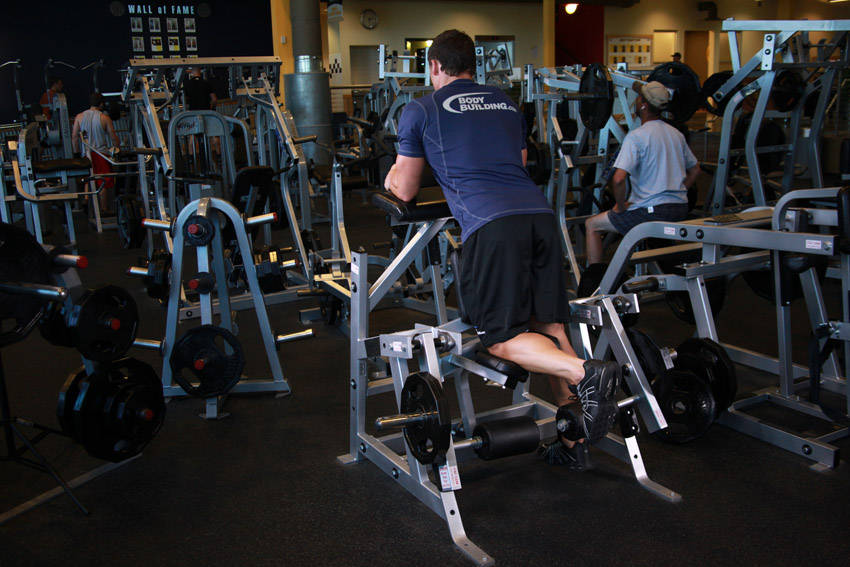
Standing Leg Curl
A beginner isolation strength exercise that works the hamstrings, using a machine.
-
3
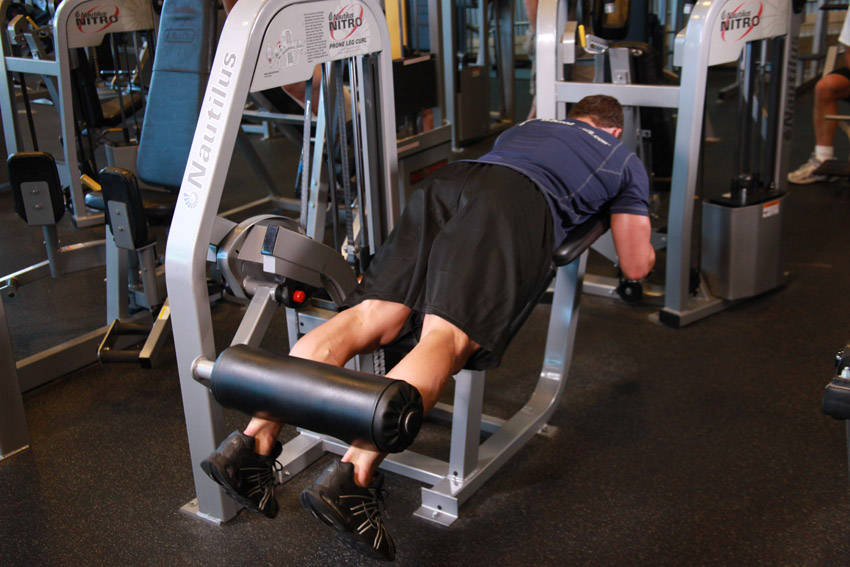
Lying Leg Curls
A beginner isolation strength exercise that works the hamstrings, using a machine.
-
4
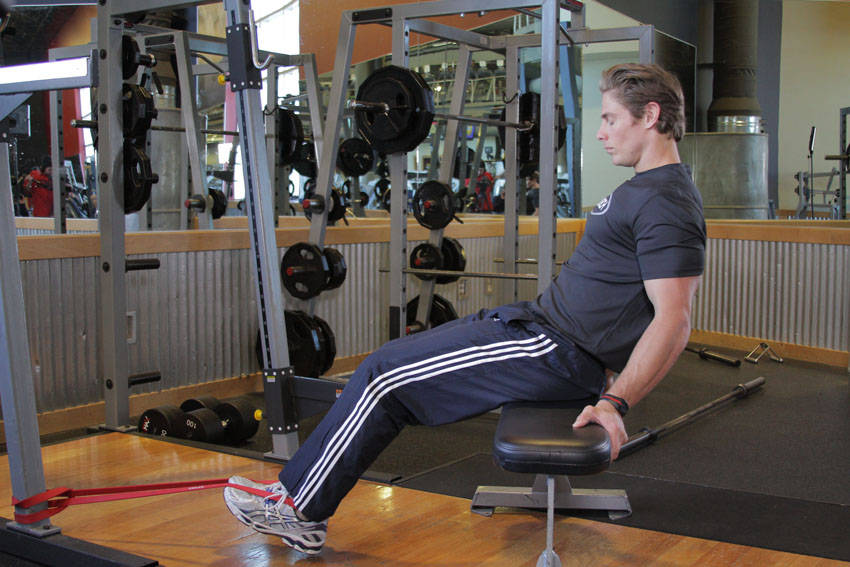
Seated Band Hamstring Curl
A beginner isolation strength exercise that works the hamstrings.
-
5
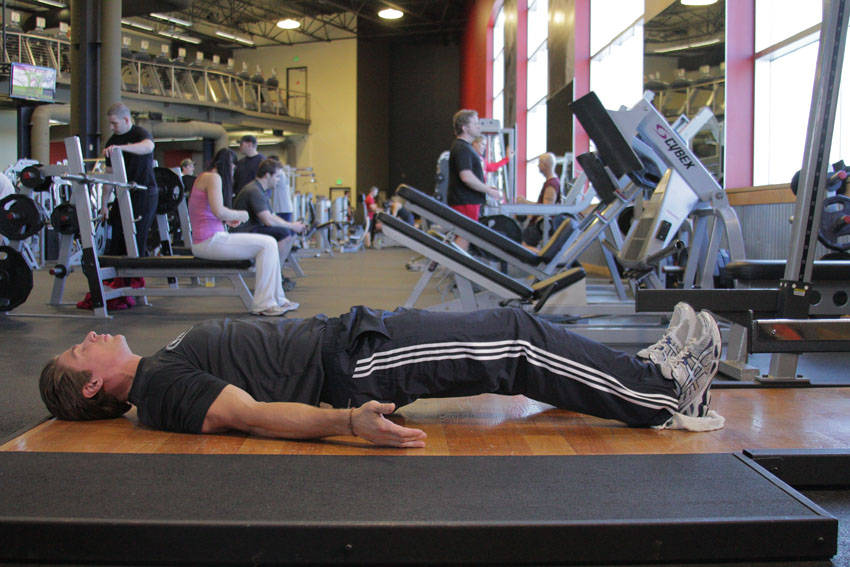
Platform Hamstring Slides
A beginner isolation strength exercise that works the hamstrings.
-
6
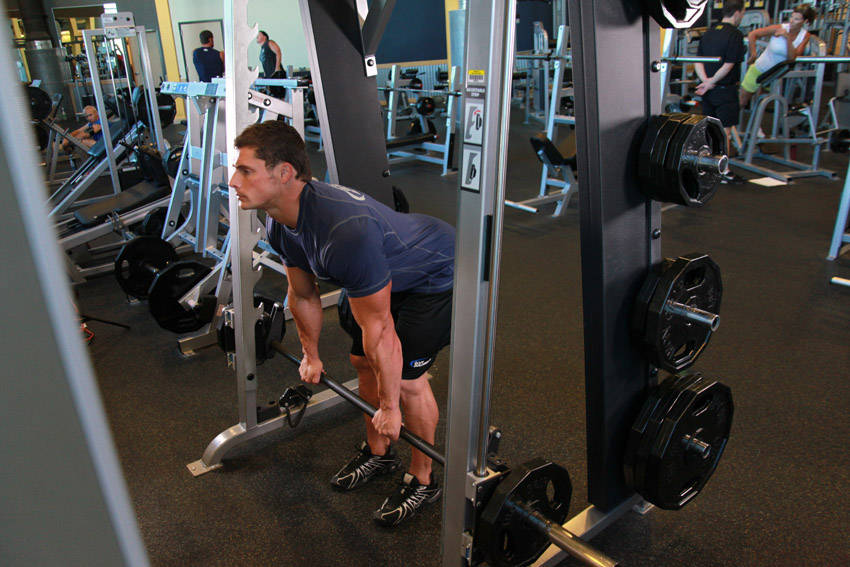
Smith Machine Stiff-Legged Deadlift
A beginner compound strength exercise that works the hamstrings, using a machine.
-
7
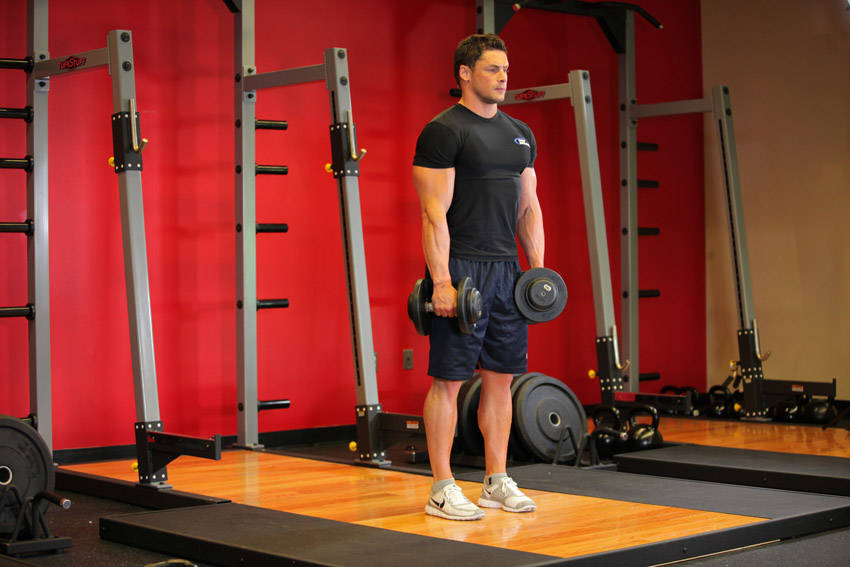
Stiff-Legged Dumbbell Deadlift
A beginner compound strength exercise that works the hamstrings, using dumbbells.
-
8
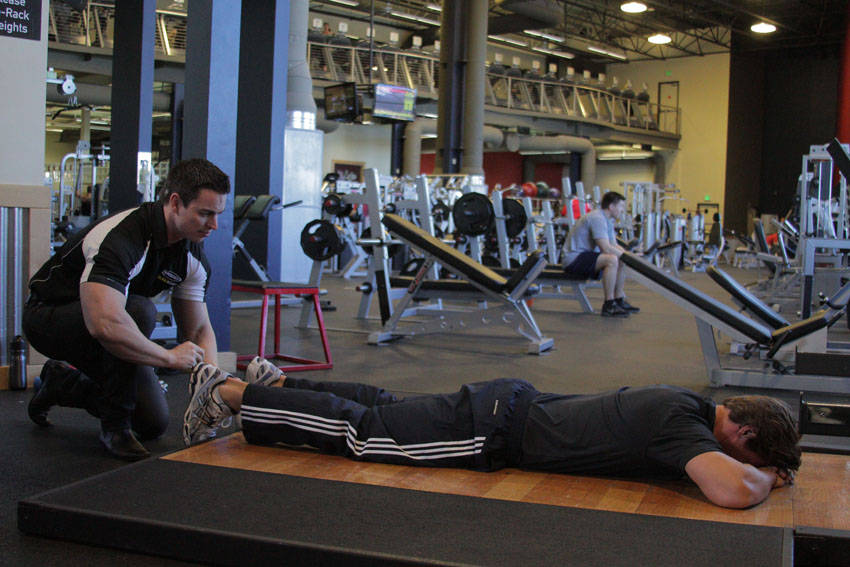
Prone Manual Hamstring
A beginner isolation strength exercise that works the hamstrings.
-
9
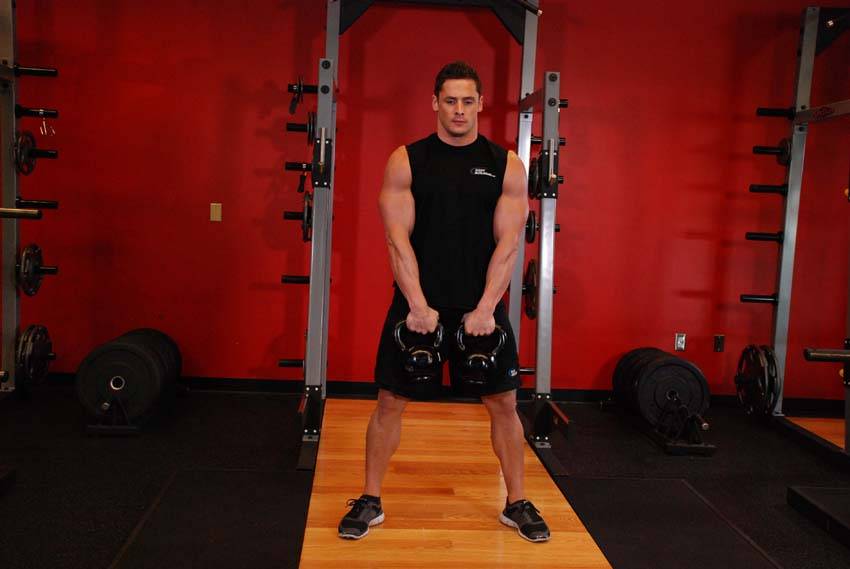
Alternating Hang Clean
An intermediate compound strength exercise that works the hamstrings, using a kettlebell.
-
10
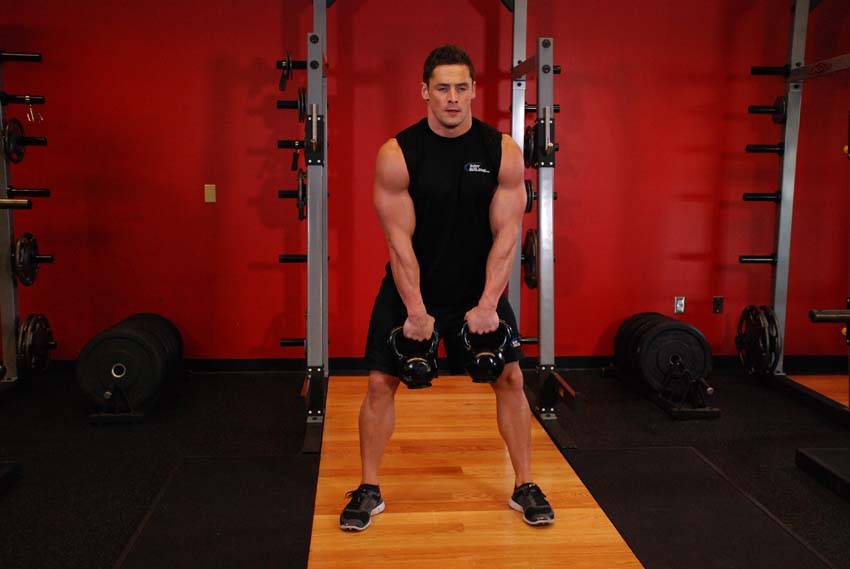
Double Kettlebell Alternating Hang Clean
An intermediate compound strength exercise that works the hamstrings, using a kettlebell.
Frequently Asked Questions
What muscles do ball leg curl work?
Ball Leg Curl primarily works the hamstrings. The calves and glutes assist as secondary muscles.
What equipment do I need for ball leg curl?
Ball Leg Curl uses exercise ball.
Ball Leg Curl: is it suitable for beginners?
Yes. Ball Leg Curl is rated beginner. Movements you can learn in a session, with a low skill floor and a forgiving failure mode.
What can I do instead of ball leg curl?
Seated Leg Curl, Standing Leg Curl, Lying Leg Curls train the same primary muscles and are listed with 7 more alternatives above.
Can Fitnit count my ball leg curl reps automatically?
Not automatically yet. Fitnit's AI rep counting covers push-ups, squats, dumbbell curls, crunches and pull-ups today; ball leg curl can be logged manually in the app, and tracked movements are added over time.
Photographs and step-by-step instructions from free-exercise-db, a public-domain exercise dataset. Muscle mapping and alternatives by Fitnit.
Track Your Ball Leg Curl with AI
Fitnit automatically tracks push-ups, crunches, squats, pull-ups, and curls with advanced body tracking technology — and you can manually input any other workout too. Start free — Pro is $8.99/month.