Hyperextensions (Back Extensions)
A beginner isolation strength exercise that works the lower back.
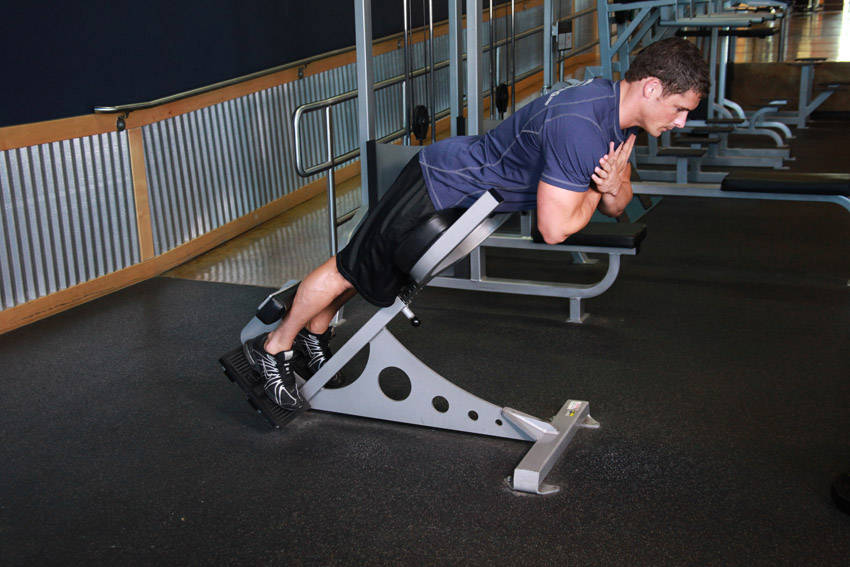 Starting position
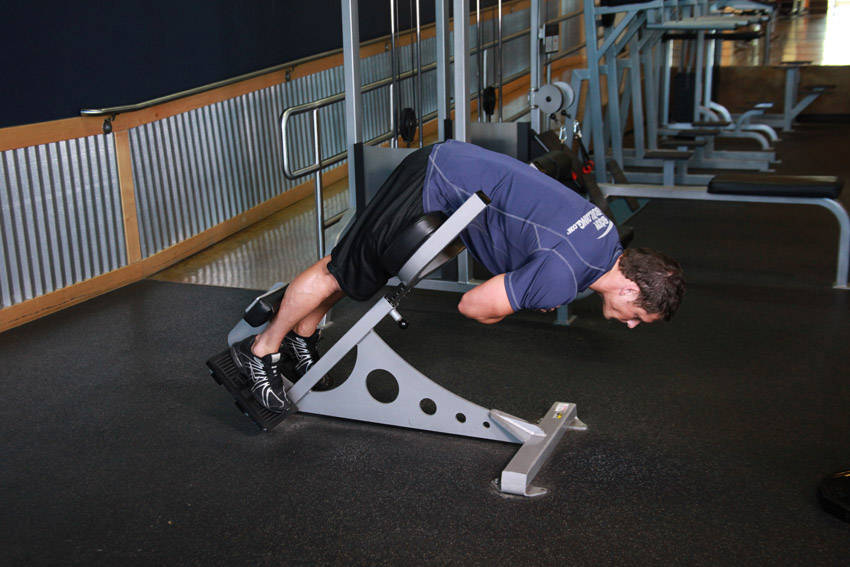 End position
How to Do Hyperextensions (Back Extensions)
- Lie face down on a hyperextension bench, tucking your ankles securely under the footpads.
- Adjust the upper pad if possible so your upper thighs lie flat across the wide pad, leaving enough room for you to bend at the waist without any restriction.
- With your body straight, cross your arms in front of you (my preference) or behind your head. This will be your starting position. Tip: You can also hold a weight plate for extra resistance in front of you under your crossed arms.
- Start bending forward slowly at the waist as far as you can while keeping your back flat. Inhale as you perform this movement. Keep moving forward until you feel a nice stretch on the hamstrings and you can no longer keep going without a rounding of the back. Tip: Never round the back as you perform this exercise. Also, some people can go farther than others. The key thing is that you go as far as your body allows you to without rounding the back.
- Slowly raise your torso back to the initial position as you inhale. Tip: Avoid the temptation to arch your back past a straight line. Also, do not swing the torso at any time in order to protect the back from injury.
- Repeat for the recommended amount of repetitions.
Muscles Worked
Alternatives to Hyperextensions (Back Extensions)
10 movements that train the same primary muscle, closest substitutes first — same kind of training, then variations of the movement itself, then a similar difficulty.
-
1
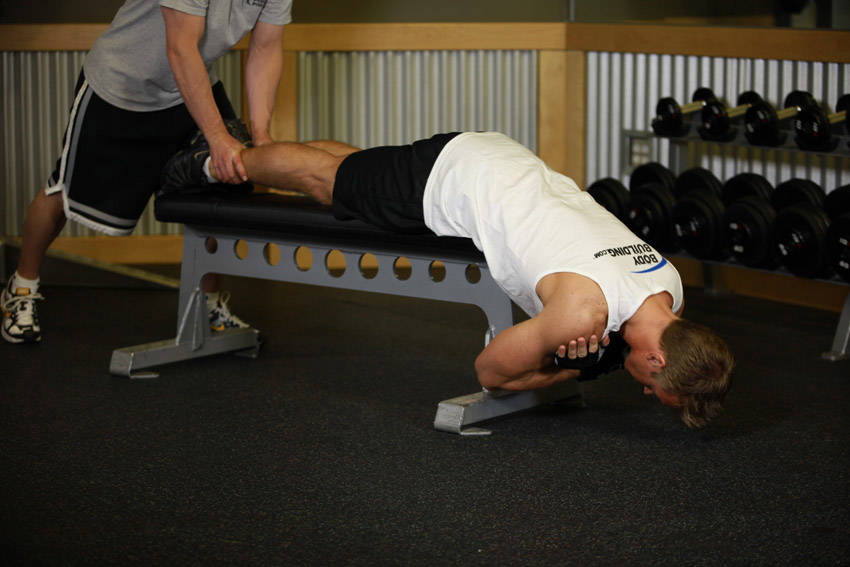
Hyperextensions With No Hyperextension Bench
An intermediate compound strength exercise that works the lower back, needing no equipment.
-
2
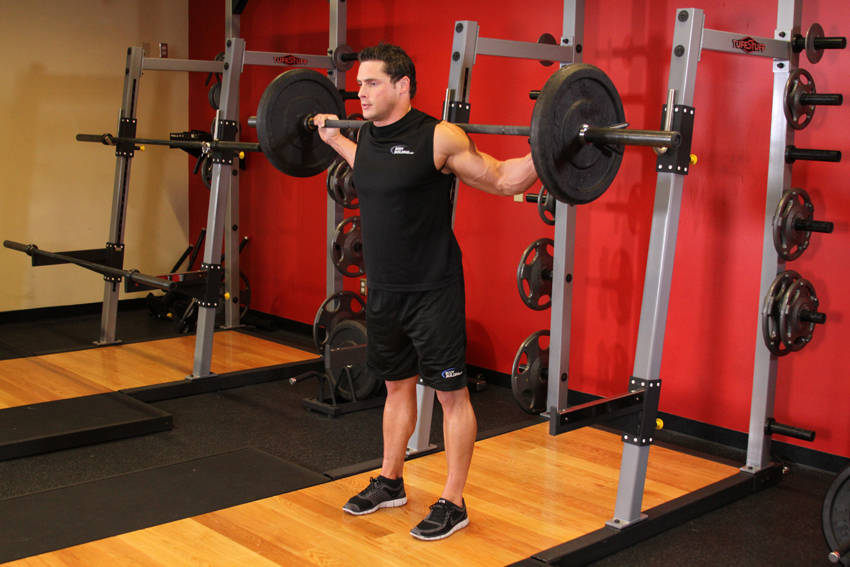
Stiff Leg Barbell Good Morning
A beginner compound strength exercise that works the lower back, using a barbell.
-
3
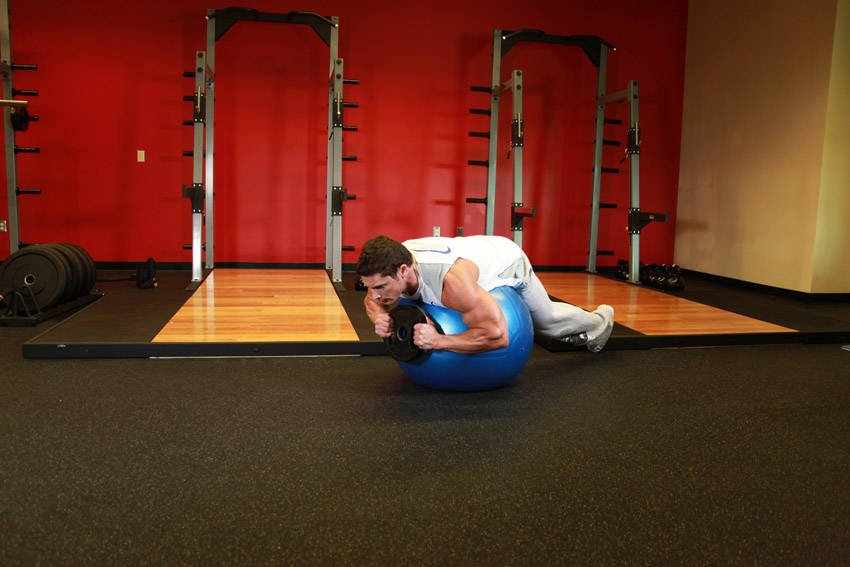
Weighted Ball Hyperextension
An intermediate compound strength exercise that works the lower back, using an exercise ball.
-
4
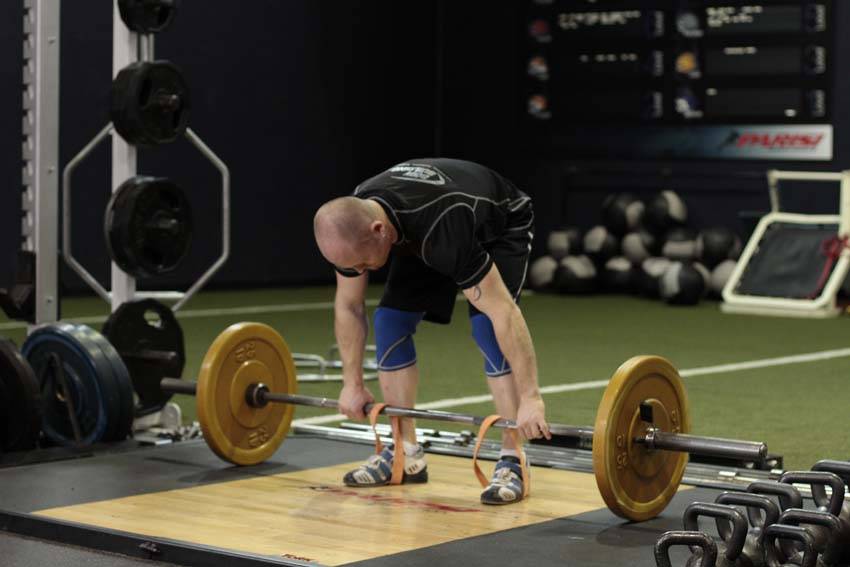
Deadlift with Bands
An advanced compound powerlifting exercise that works the lower back, using a barbell.
-
5
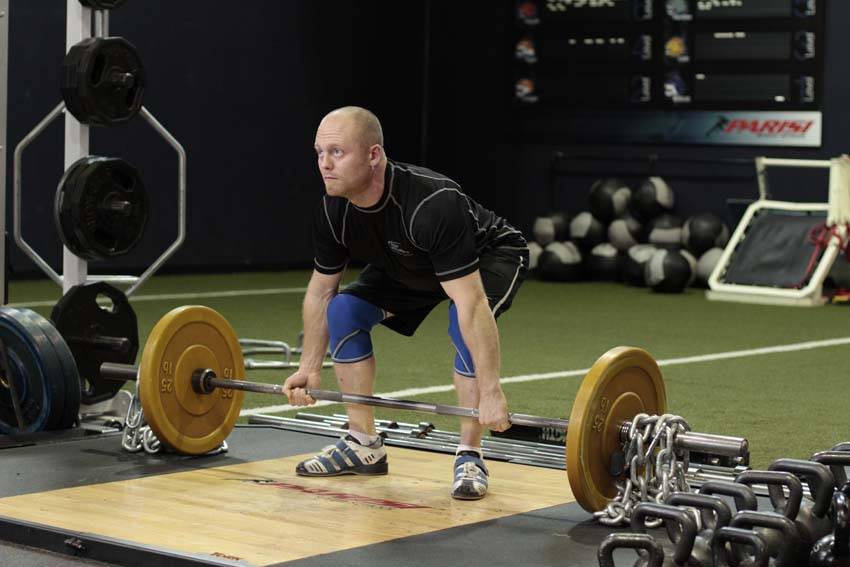
Deadlift with Chains
An advanced compound powerlifting exercise that works the lower back, using a barbell.
-
6
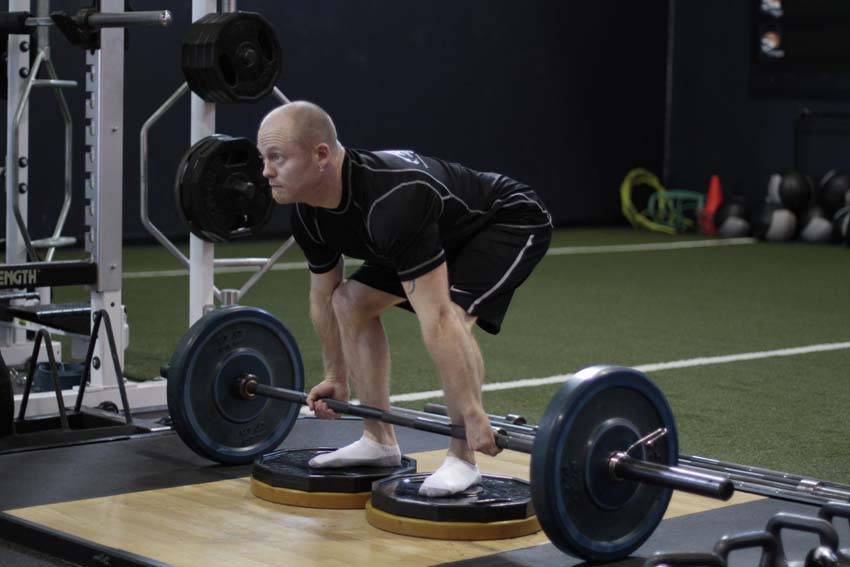
Deficit Deadlift
An intermediate compound powerlifting exercise that works the lower back, using a barbell.
-
7
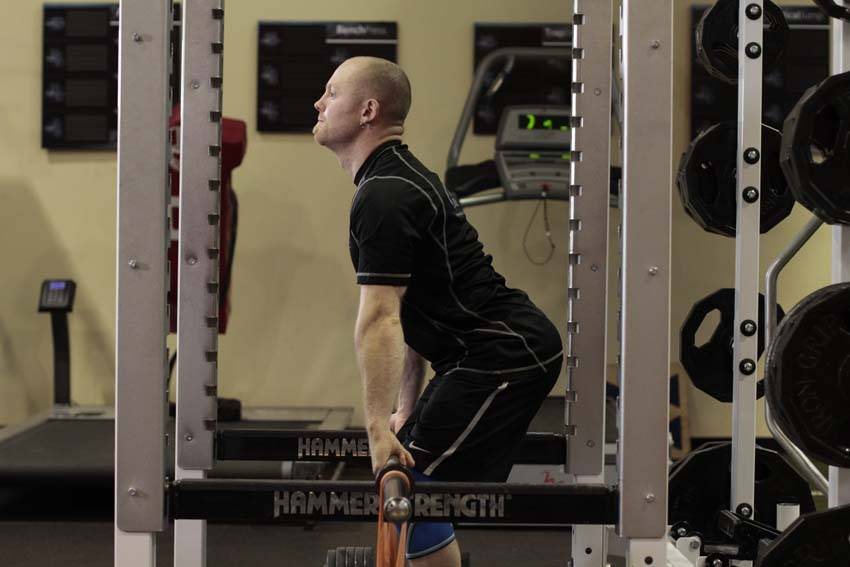
Rack Pull with Bands
An intermediate compound powerlifting exercise that works the lower back, using a barbell.
-
8
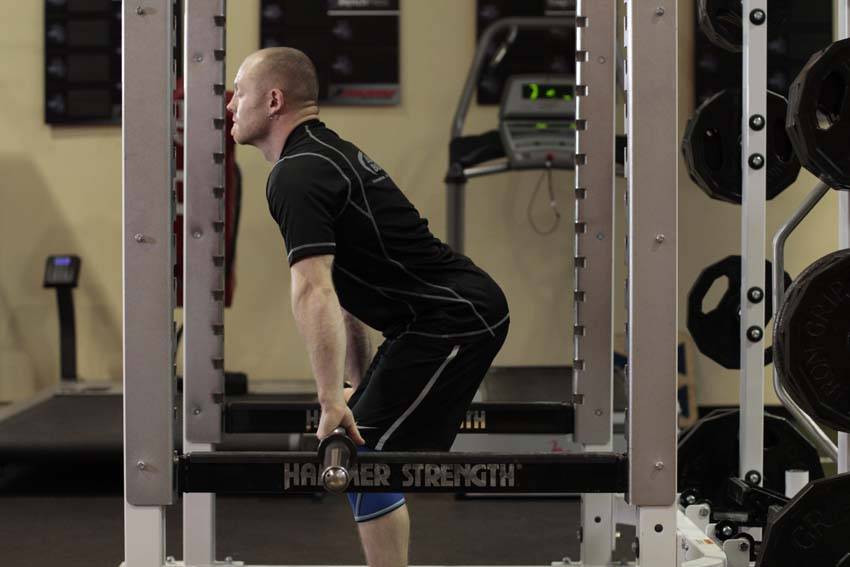
Rack Pulls
An intermediate compound powerlifting exercise that works the lower back, using a barbell.
-
9
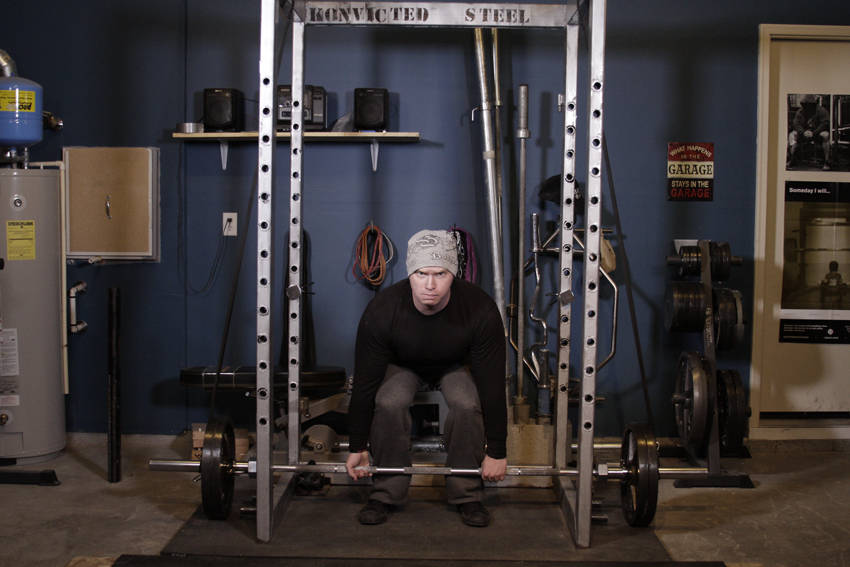
Reverse Band Deadlift
An advanced compound powerlifting exercise that works the lower back, using a barbell.
-
10
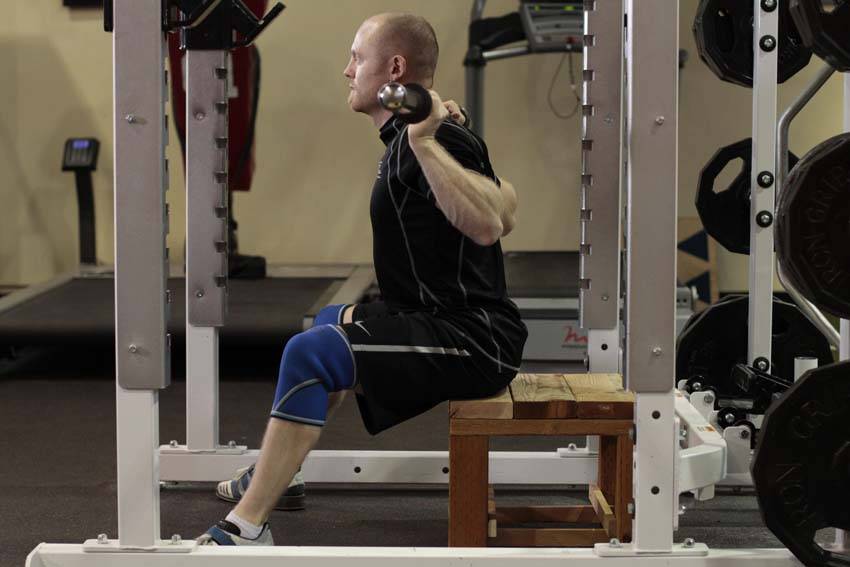
Seated Good Mornings
An intermediate compound powerlifting exercise that works the lower back, using a barbell.
Frequently Asked Questions
What muscles do hyperextensions (back extensions) work?
Hyperextensions (Back Extensions) primarily works the lower back. The glutes and hamstrings assist as secondary muscles.
What equipment do I need for hyperextensions (back extensions)?
The source dataset does not record equipment for hyperextensions (back extensions). Check the instructions above before you set up.
Hyperextensions (Back Extensions): is it suitable for beginners?
Yes. Hyperextensions (Back Extensions) is rated beginner. Movements you can learn in a session, with a low skill floor and a forgiving failure mode.
What can I do instead of hyperextensions (back extensions)?
Hyperextensions With No Hyperextension Bench, Stiff Leg Barbell Good Morning, Weighted Ball Hyperextension train the same primary muscles and are listed with 7 more alternatives above.
Can Fitnit count my hyperextensions (back extensions) reps automatically?
Not automatically yet. Fitnit's AI rep counting covers push-ups, squats, dumbbell curls, crunches and pull-ups today; hyperextensions (back extensions) can be logged manually in the app, and tracked movements are added over time.
Photographs and step-by-step instructions from free-exercise-db, a public-domain exercise dataset. Muscle mapping and alternatives by Fitnit.
Track Your Hyperextensions (Back Extensions) with AI
Fitnit automatically tracks push-ups, crunches, squats, pull-ups, and curls with advanced body tracking technology — and you can manually input any other workout too. Start free — Pro is $8.99/month.