Jumping Jacks
Jumping jacks are a classic calisthenics exercise perfect for warm-ups, cardio sessions, and active rest periods. Their simplicity makes them accessible to all fitness levels.
How to Do Jumping Jacks
- Stand with feet together and arms at your sides
- Jump and spread your feet wide while raising arms overhead
- Land softly with feet wide and hands touching overhead
- Jump again and bring feet together while lowering arms
- Repeat at a steady, rhythmic pace
Form Tips
- Land softly on the balls of your feet
- Keep a slight bend in your knees throughout
- Fully extend arms overhead for maximum engagement
- Maintain an upright posture
- Breathe naturally and rhythmically
Common Mistakes to Avoid
- Landing with flat feet or locked knees
- Not fully extending arms overhead
- Going too fast and losing rhythm
- Letting shoulders creep up to ears
- Not landing wide enough on the outward jump
Muscles Worked
Benefits of Jumping Jacks
- Simple full-body cardio exercise
- Great warm-up movement
- Scalable intensity by adjusting speed
- No equipment or special skills required
- Effective for raising heart rate quickly
Variations
Half Jacks
beginnerArms only go to shoulder height
Star Jumps
intermediateFull extension in a star shape
Squat Jacks
intermediateAdding a squat in the wide position
Seal Jacks
intermediateArms move forward and back instead of overhead
Alternatives to Jumping Jacks
10 movements that train the same primary muscles, closest substitutes first — same kind of training, then variations of the movement itself, then a similar difficulty.
-
1
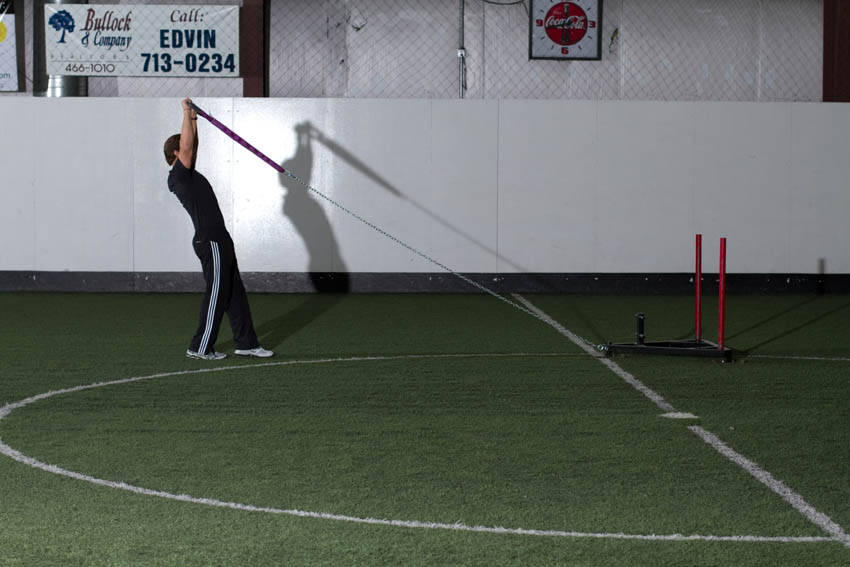
Sled Overhead Backward Walk
A beginner compound strength exercise that works the shoulders.
-
2
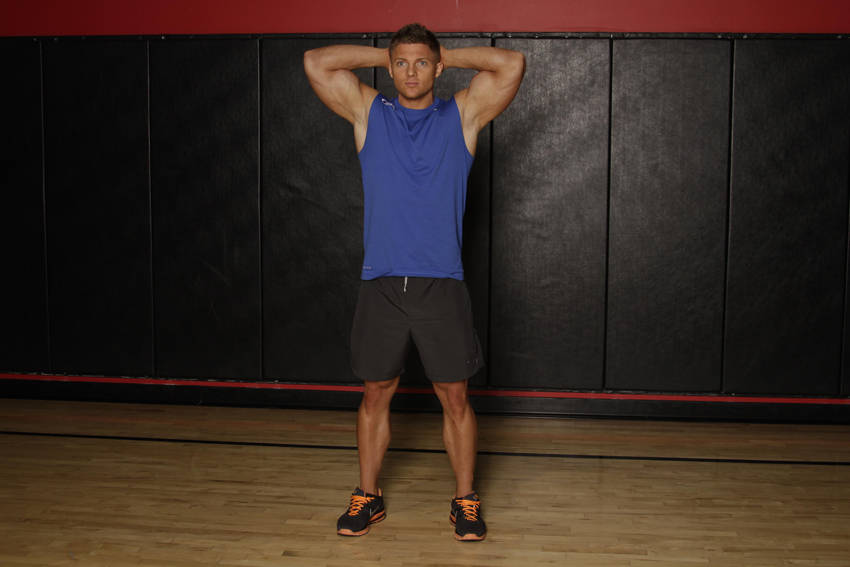
Squats
The squat is the king of lower body exercises, targeting the quadriceps, glutes, and hamstrings while building core stability. It's a fundamental movement pattern that translates directly to everyday activities.
-
3
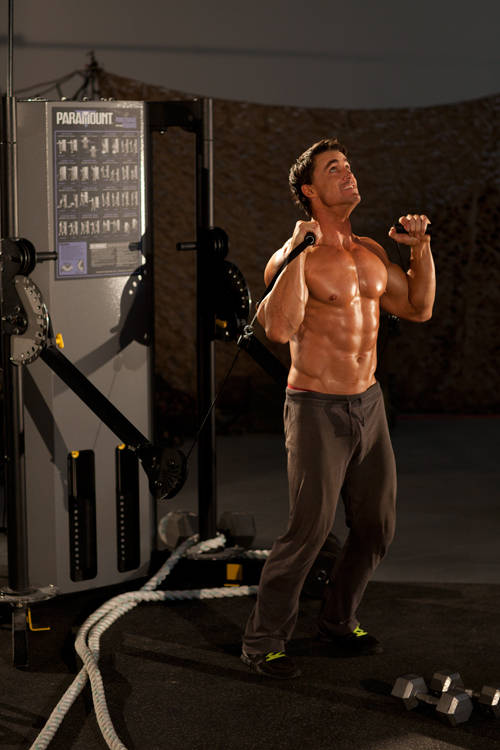
Alternating Cable Shoulder Press
A beginner compound strength exercise that works the shoulders, using a cable machine.
-
4
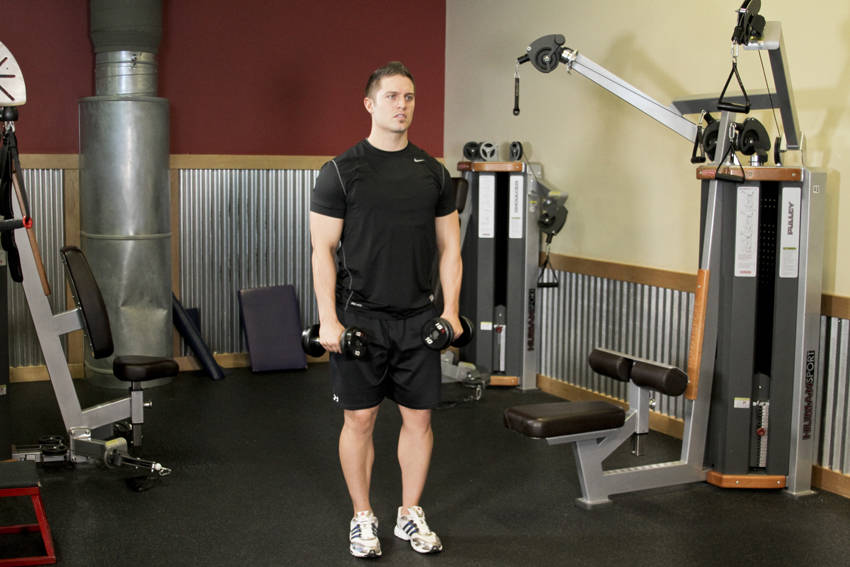
Alternating Deltoid Raise
A beginner isolation strength exercise that works the shoulders, using dumbbells.
-
5
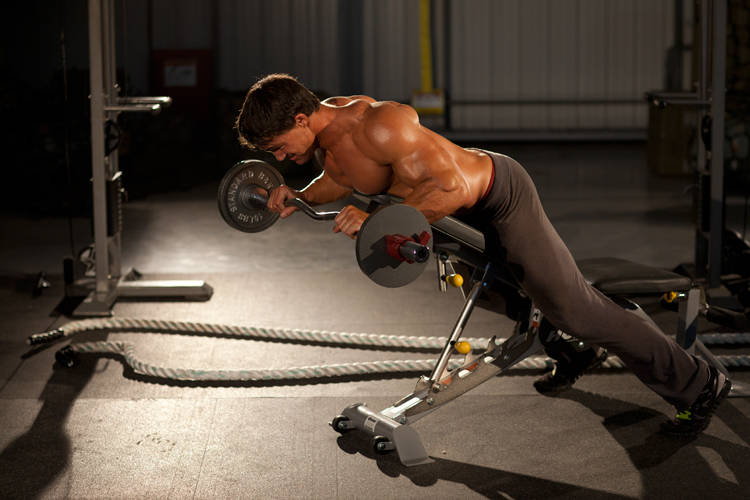
Anti-Gravity Press
A beginner compound strength exercise that works the shoulders, using a barbell.
-
6
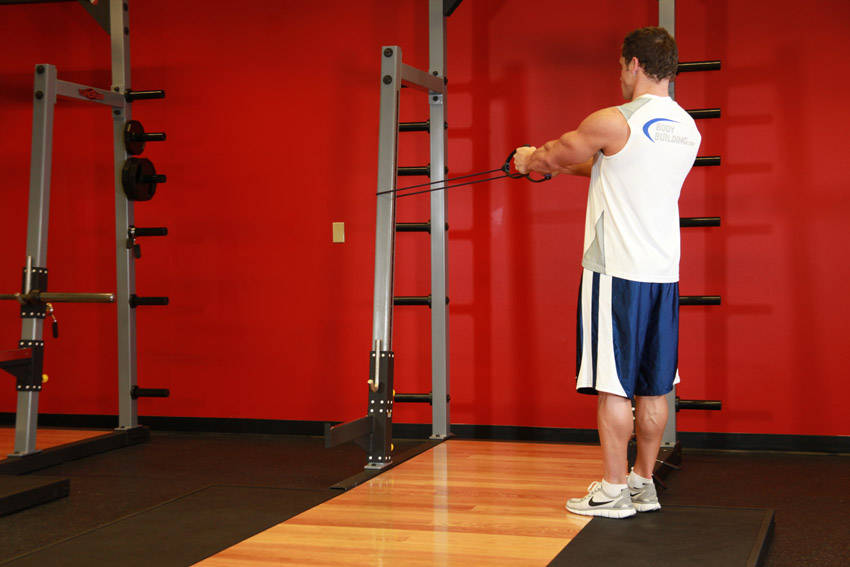
Back Flyes - With Bands
A beginner compound strength exercise that works the shoulders, using a resistance band.
-
7
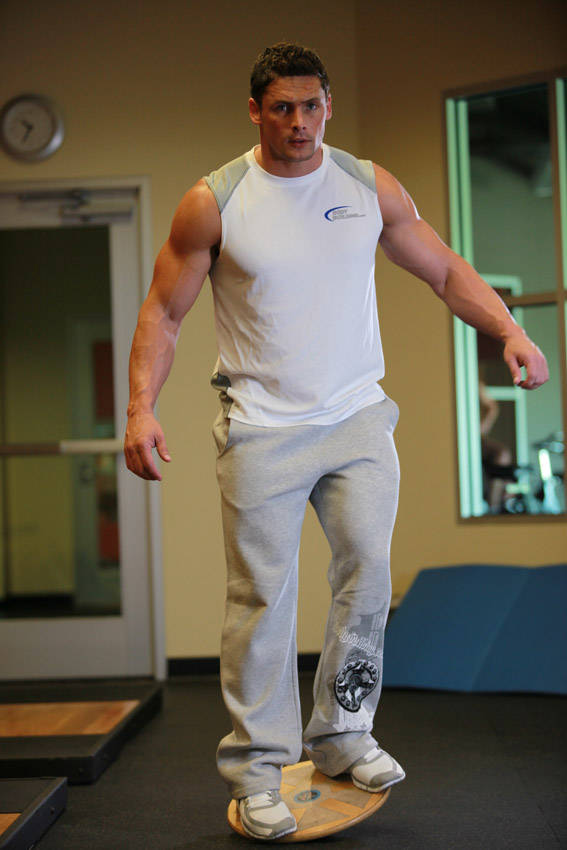
Balance Board
A beginner compound strength exercise that works the calves.
-
8
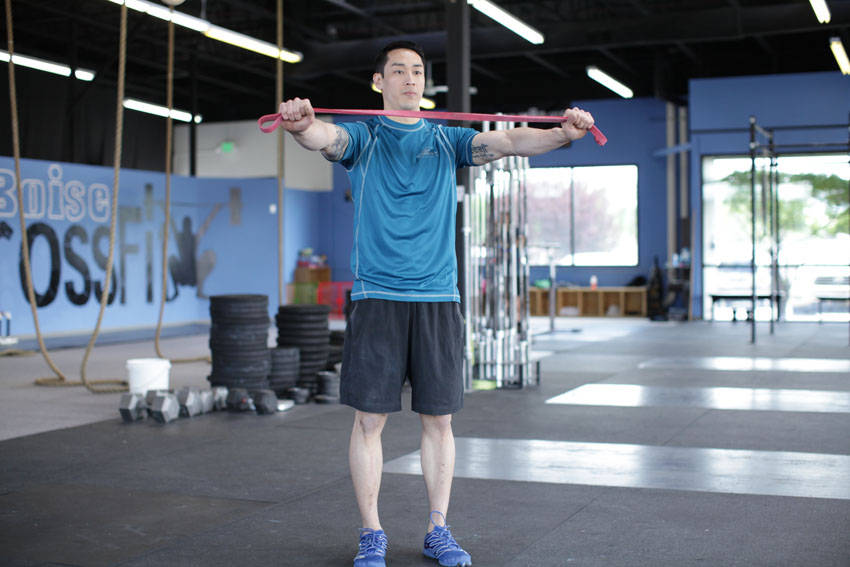
Band Pull Apart
A beginner isolation strength exercise that works the shoulders, using a resistance band.
-
9
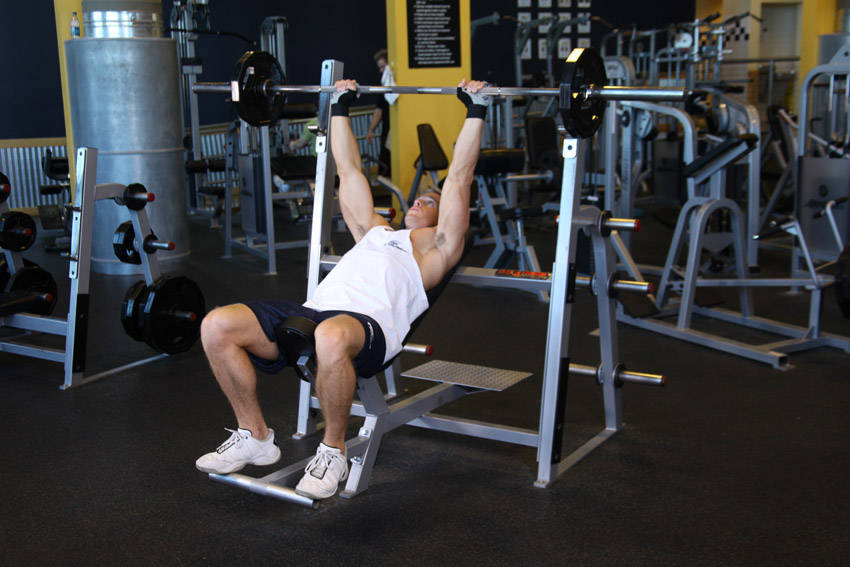
Barbell Incline Shoulder Raise
A beginner compound strength exercise that works the shoulders, using a barbell.
-
10
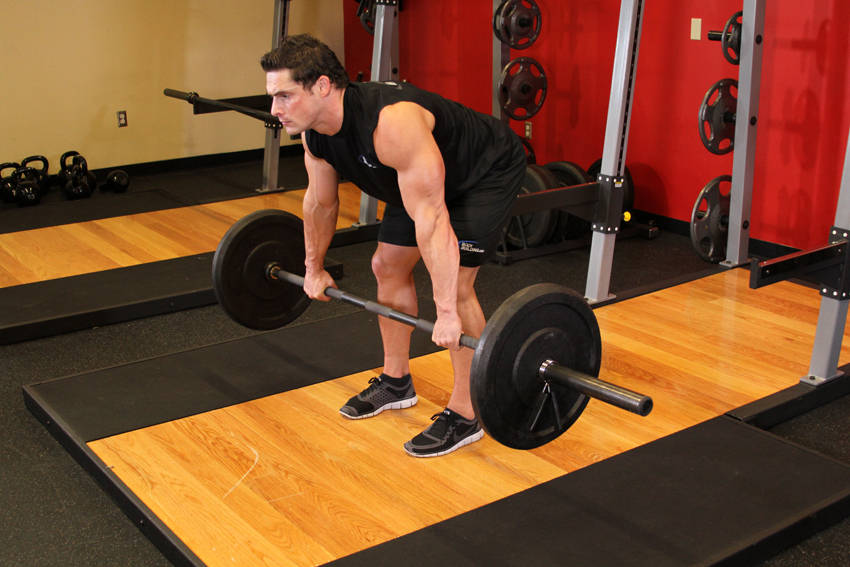
Barbell Rear Delt Row
A beginner compound strength exercise that works the shoulders, using a barbell.
Frequently Asked Questions
What muscles do jumping jacks work?
Jumping Jacks primarily works the calves, shoulders and glutes.
What equipment do I need for jumping jacks?
None. Jumping Jacks is a bodyweight movement you can do anywhere you have floor space.
Jumping Jacks: is it suitable for beginners?
Yes. Jumping Jacks is rated beginner. Movements you can learn in a session, with a low skill floor and a forgiving failure mode.
What can I do instead of jumping jacks?
Sled Overhead Backward Walk, Squats, Alternating Cable Shoulder Press train the same primary muscles and are listed with 7 more alternatives above.
Can Fitnit count my jumping jacks reps automatically?
Not automatically yet. Fitnit's AI rep counting covers push-ups, squats, dumbbell curls, crunches and pull-ups today; jumping jacks can be logged manually in the app, and tracked movements are added over time.
Written by the Fitnit team.
Track Your Jumping Jacks with AI
Fitnit automatically tracks push-ups, crunches, squats, pull-ups, and curls with advanced body tracking technology — and you can manually input any other workout too. Start free — Pro is $8.99/month.