Knee/Hip Raise On Parallel Bars
A beginner isolation strength exercise that works the abs.
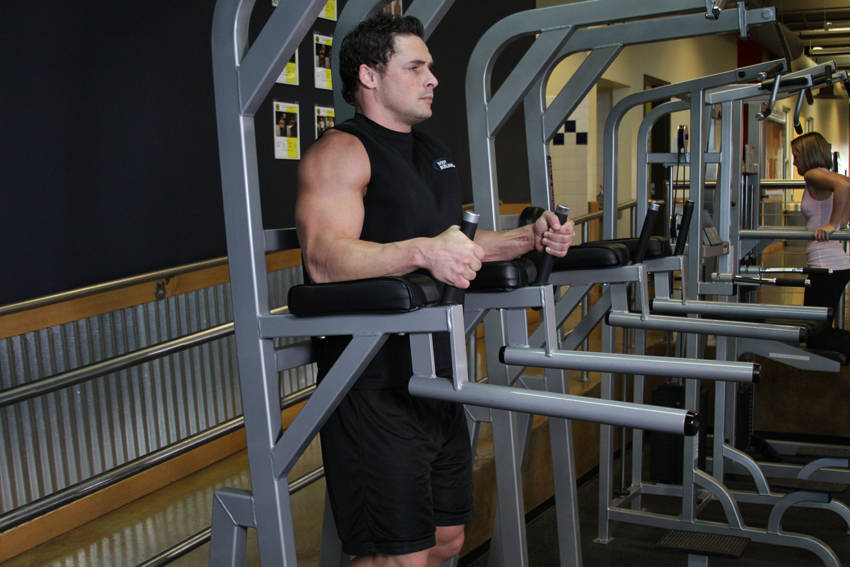 Starting position
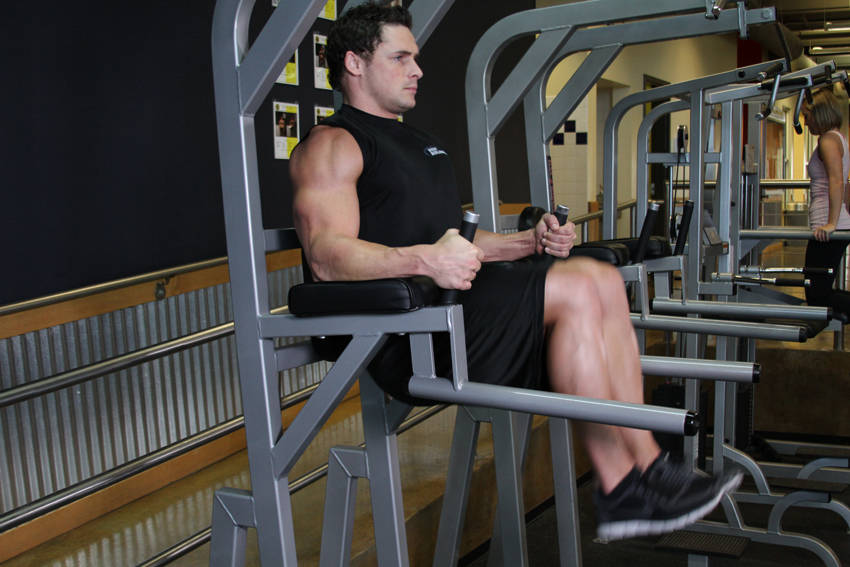 End position
How to Do Knee/Hip Raise On Parallel Bars
- Position your body on the vertical leg raise bench so that your forearms are resting on the pads next to the torso and holding on to the handles. Your arms will be bent at a 90 degree angle.
- The torso should be straight with the lower back pressed against the pad of the machine and the legs extended pointing towards the floor. This will be your starting position.
- Now as you breathe out, lift your legs up as you keep them extended. Continue this movement until your legs are roughly parallel to the floor and then hold the contraction for a second. Tip: Do not use any momentum or swinging as you perform this exercise.
- Slowly go back to the starting position as you breathe in.
- Repeat for the recommended amount of repetitions.
Muscles Worked
Alternatives to Knee/Hip Raise On Parallel Bars
10 movements that train the same primary muscle, closest substitutes first — same kind of training, then variations of the movement itself, then a similar difficulty.
-
1
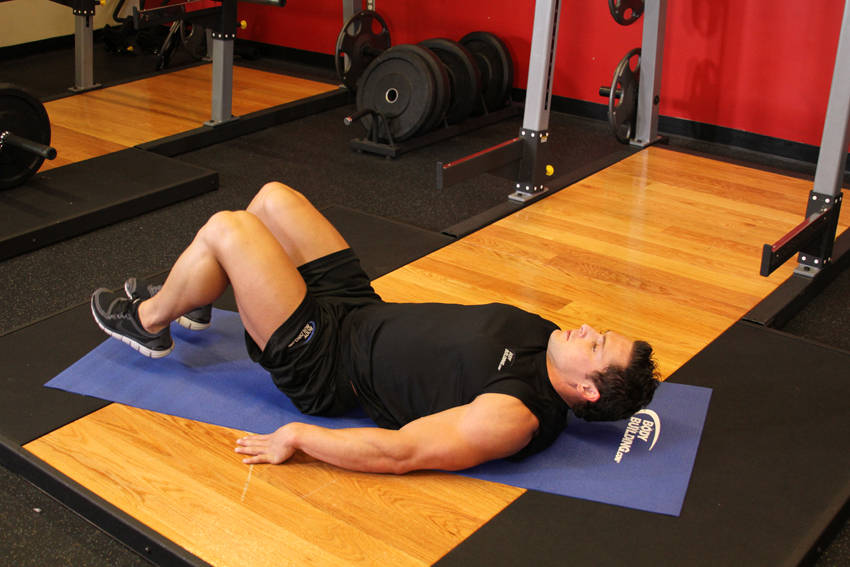
Bent-Knee Hip Raise
A beginner compound strength exercise that works the abs, needing no equipment.
-
2
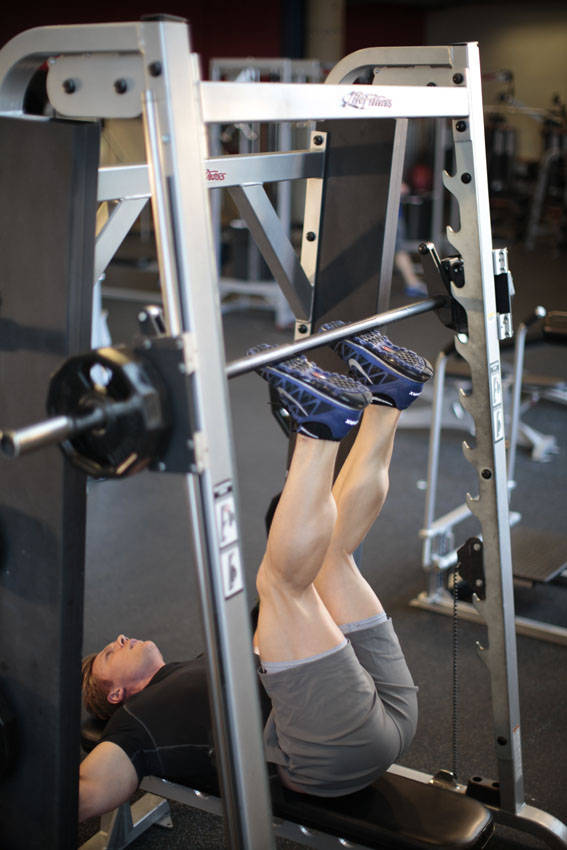
Smith Machine Hip Raise
A beginner isolation strength exercise that works the abs, using a machine.
-
3
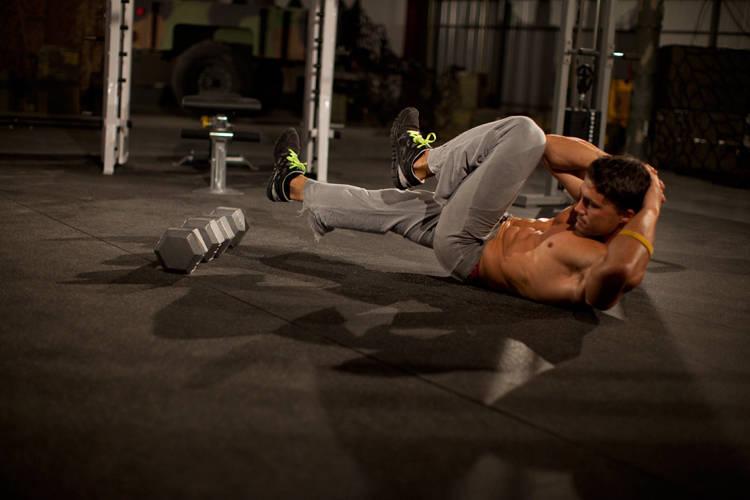
Elbow to Knee
A beginner compound strength exercise that works the abs, needing no equipment.
-
4
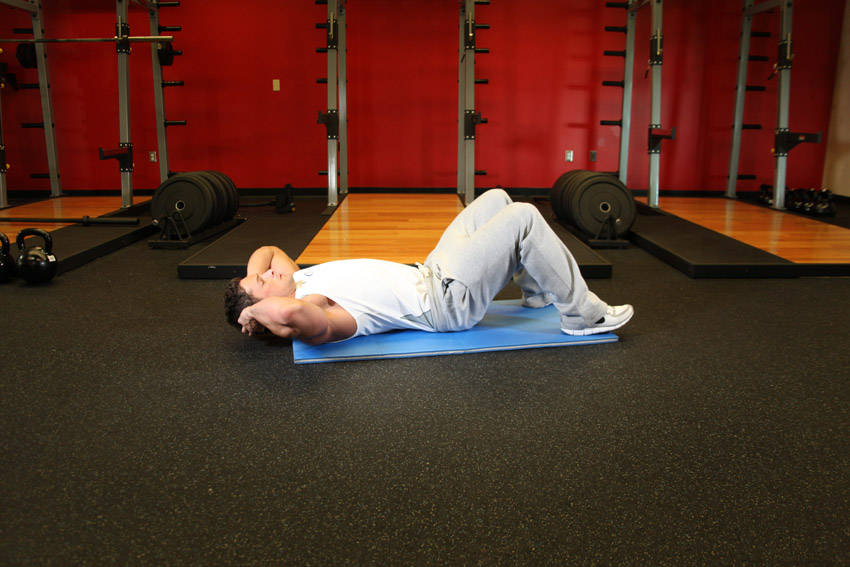
Crunches
Crunches are a classic abdominal exercise that isolates the rectus abdominis. When performed correctly, they're an effective way to build core strength and muscular endurance.
-
5
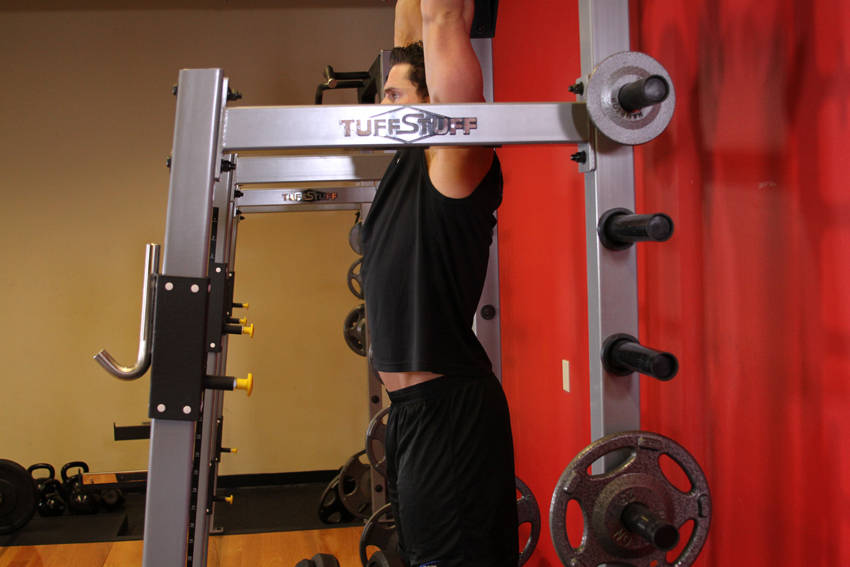
Hanging Leg Raise
An advanced isolation strength exercise that works the abs, needing no equipment.
-
6
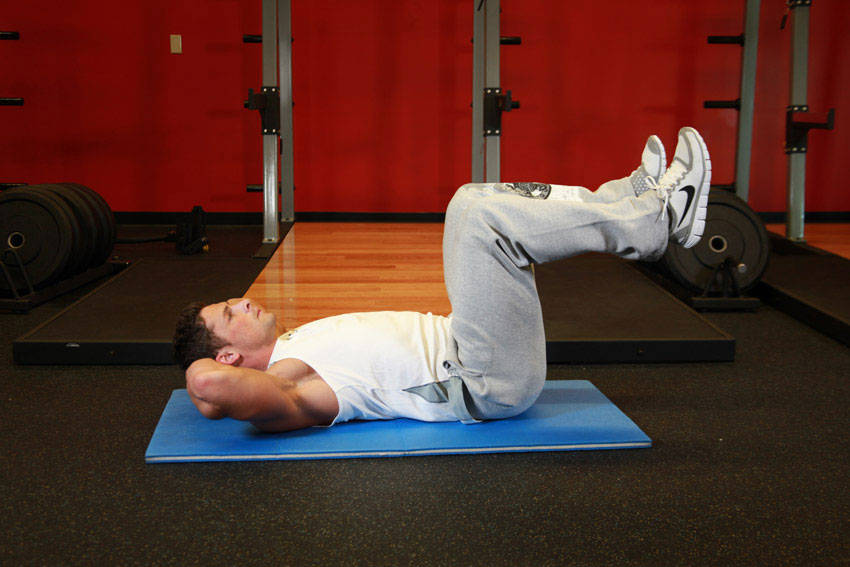
Air Bike
A beginner compound strength exercise that works the abs, needing no equipment.
-
7
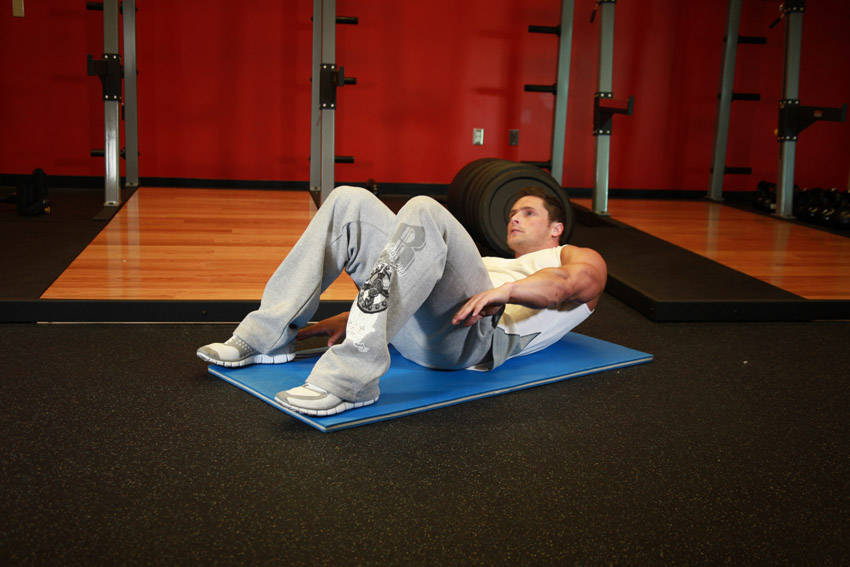
Alternate Heel Touchers
A beginner isolation strength exercise that works the abs, needing no equipment.
-
8
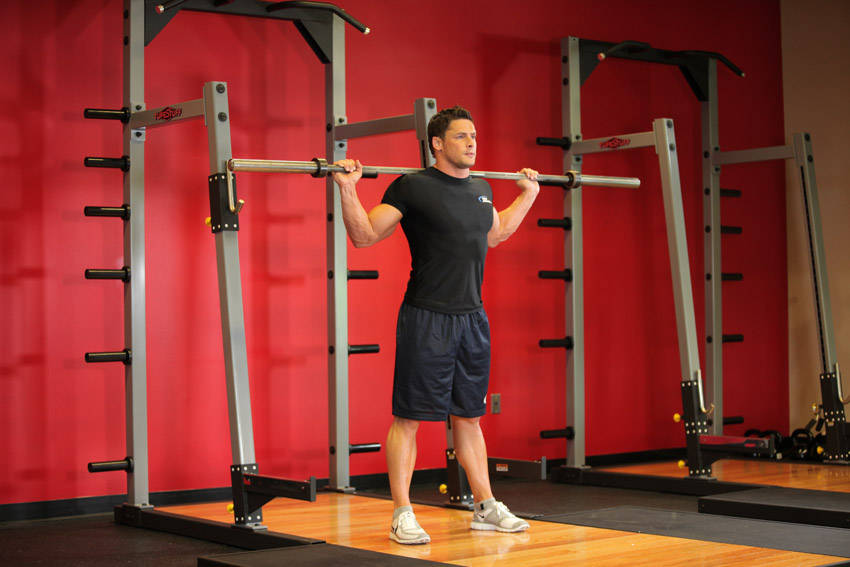
Barbell Side Bend
A beginner isolation strength exercise that works the abs, using a barbell.
-
9
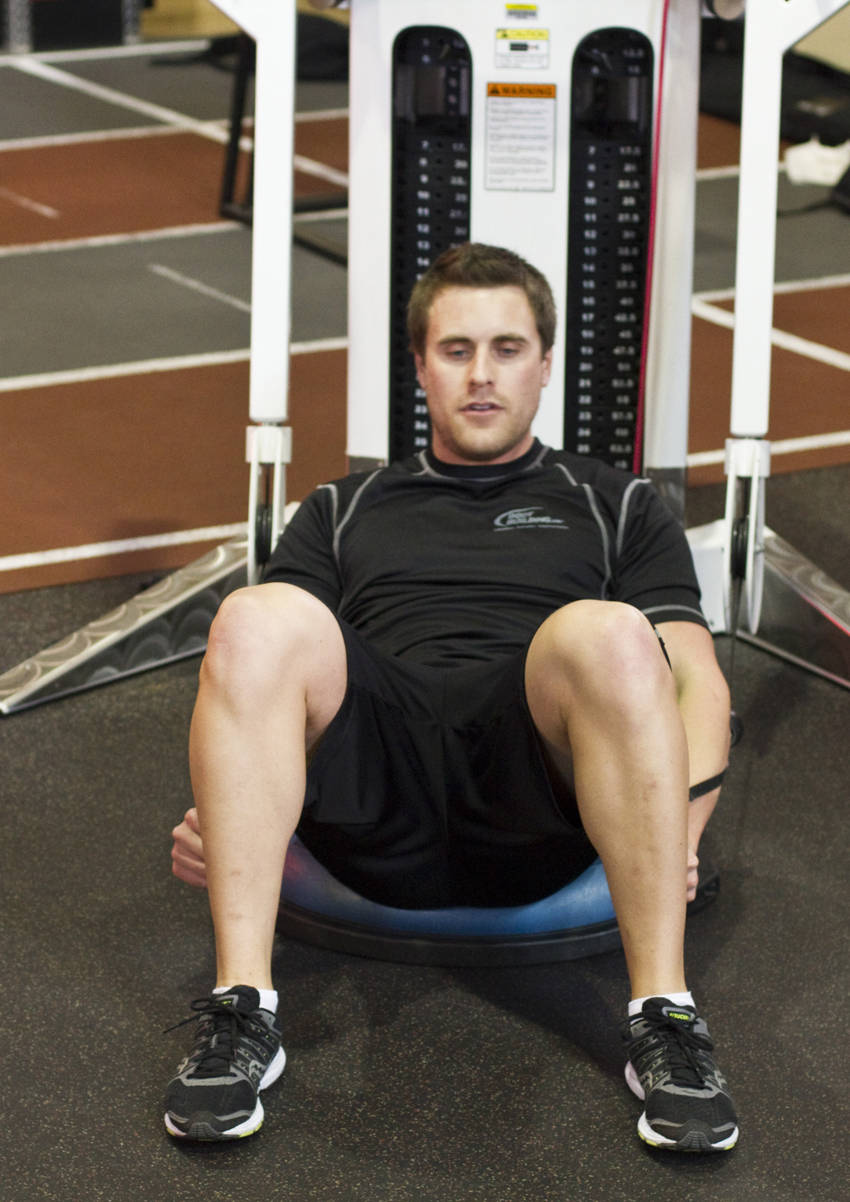
Bosu Ball Cable Crunch With Side Bends
A beginner isolation strength exercise that works the abs, using a cable machine.
-
10
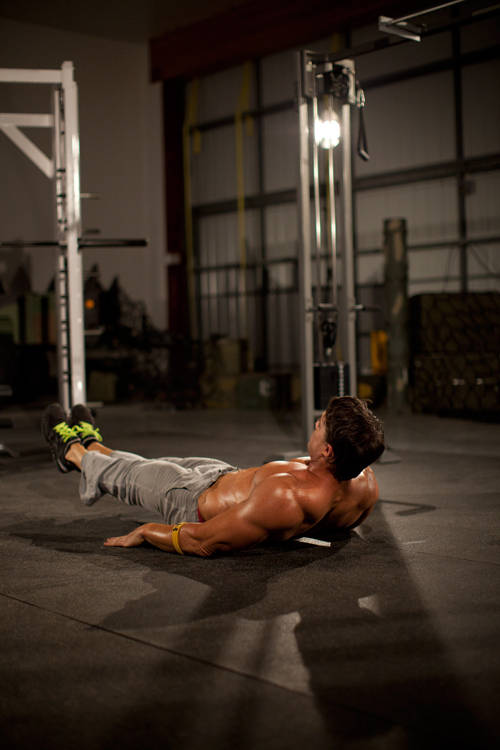
Bottoms Up
A beginner compound strength exercise that works the abs, needing no equipment.
Frequently Asked Questions
What muscles do knee/hip raise on parallel bars work?
Knee/Hip Raise On Parallel Bars primarily works the abs.
What equipment do I need for knee/hip raise on parallel bars?
The source dataset does not record equipment for knee/hip raise on parallel bars. Check the instructions above before you set up.
Knee/Hip Raise On Parallel Bars: is it suitable for beginners?
Yes. Knee/Hip Raise On Parallel Bars is rated beginner. Movements you can learn in a session, with a low skill floor and a forgiving failure mode.
What can I do instead of knee/hip raise on parallel bars?
Bent-Knee Hip Raise, Smith Machine Hip Raise, Elbow to Knee train the same primary muscles and are listed with 7 more alternatives above.
Can Fitnit count my knee/hip raise on parallel bars reps automatically?
Not automatically yet. Fitnit's AI rep counting covers push-ups, squats, dumbbell curls, crunches and pull-ups today; knee/hip raise on parallel bars can be logged manually in the app, and tracked movements are added over time.
Photographs and step-by-step instructions from free-exercise-db, a public-domain exercise dataset. Muscle mapping and alternatives by Fitnit.
Track Your Knee/Hip Raise On Parallel Bars with AI
Fitnit automatically tracks push-ups, crunches, squats, pull-ups, and curls with advanced body tracking technology — and you can manually input any other workout too. Start free — Pro is $8.99/month.