Crunches
Crunches are a classic abdominal exercise that isolates the rectus abdominis. When performed correctly, they're an effective way to build core strength and muscular endurance.
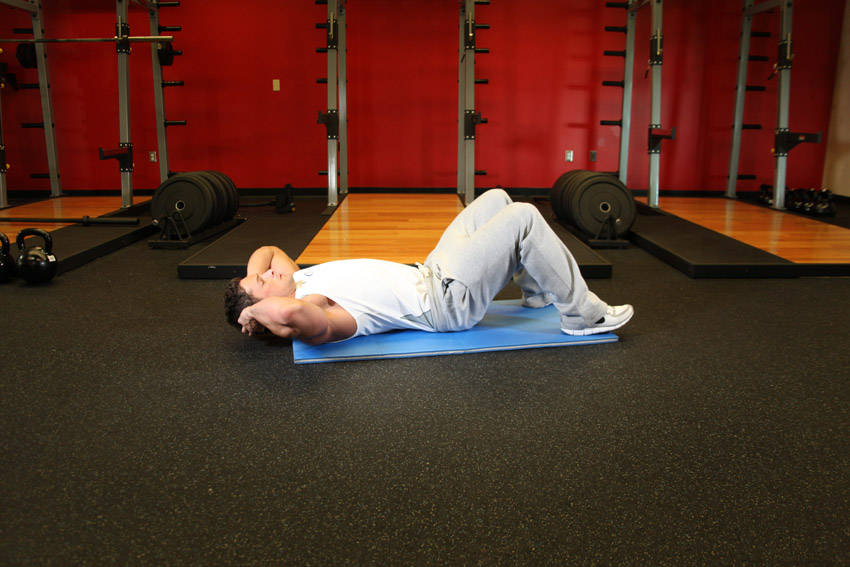 Starting position
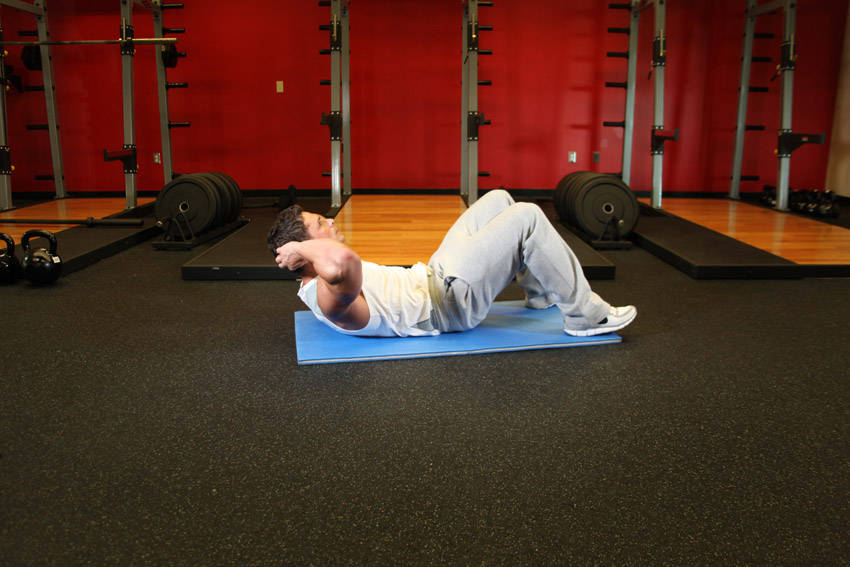 End position
How to Do Crunches
- Lie on your back with knees bent and feet flat on the floor
- Place your hands behind your head or across your chest
- Engage your core and lift your shoulder blades off the floor
- Curl your upper body toward your knees with controlled movement
- Slowly lower back to the starting position
Form Tips
- Don't pull on your neck with your hands
- Focus on curling your ribcage toward your pelvis
- Keep your lower back pressed into the floor
- Exhale as you crunch up, inhale on the way down
- Maintain a fist-sized space between your chin and chest
Common Mistakes to Avoid
- Pulling on the neck with hands causing strain
- Using momentum instead of controlled movement
- Lifting too high and engaging hip flexors
- Not maintaining tension throughout the movement
- Holding breath during repetitions
Muscles Worked
Benefits of Crunches
- Targets the rectus abdominis specifically
- Low impact and beginner-friendly
- No equipment required
- Can be performed anywhere
- Good for building ab endurance
Variations
Reverse Crunch
beginnerLifting hips toward chest targeting lower abs
Bicycle Crunch
intermediateAlternating elbow to opposite knee
Cable Crunch
intermediateUsing cable machine for added resistance
Decline Crunch
intermediatePerformed on decline bench for increased range
Weighted Crunch
advancedHolding weight plate on chest
Alternatives to Crunches
10 movements that train the same primary muscle, closest substitutes first — same kind of training, then variations of the movement itself, then a similar difficulty.
-
1
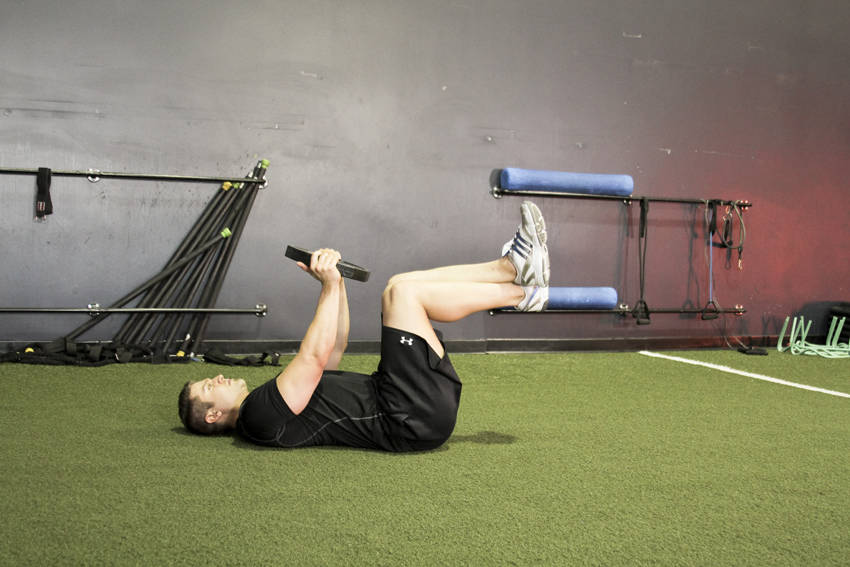
Weighted Crunches
A beginner isolation strength exercise that works the abs, using a medicine ball.
-
2
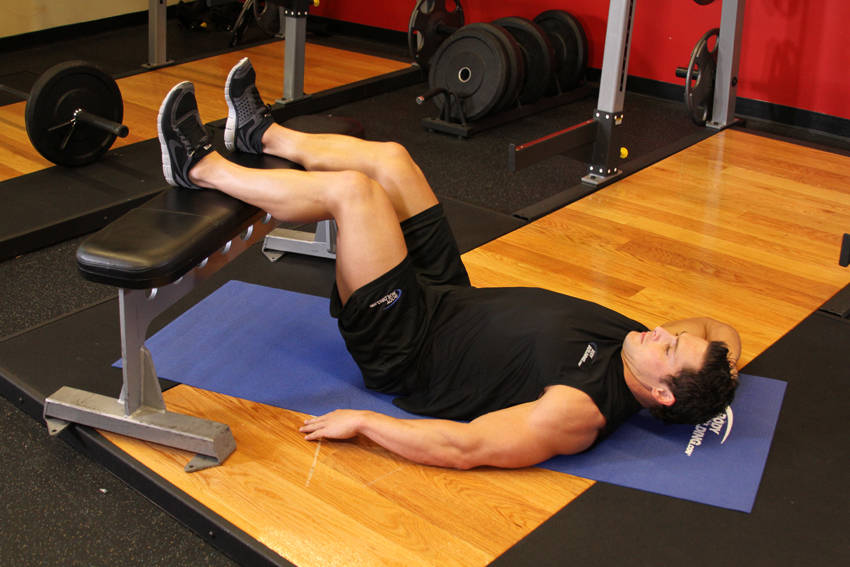
Oblique Crunches
A beginner isolation strength exercise that works the abs, needing no equipment.
-
3
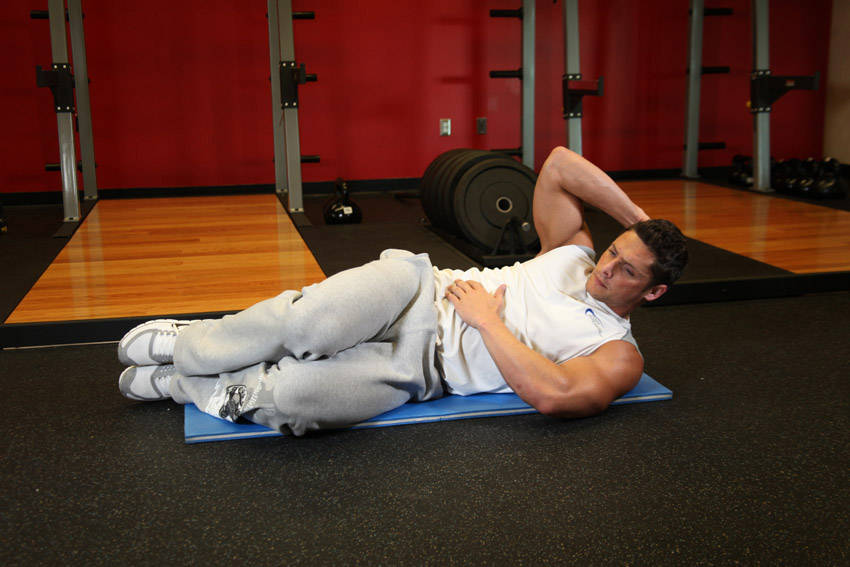
Oblique Crunches - On The Floor
A beginner isolation strength exercise that works the abs, needing no equipment.
-
4
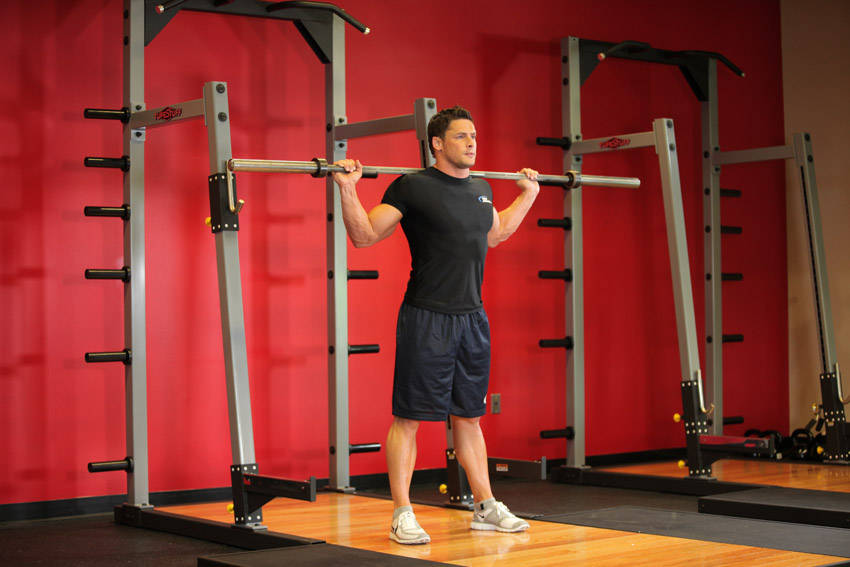
Barbell Side Bend
A beginner isolation strength exercise that works the abs, using a barbell.
-
5
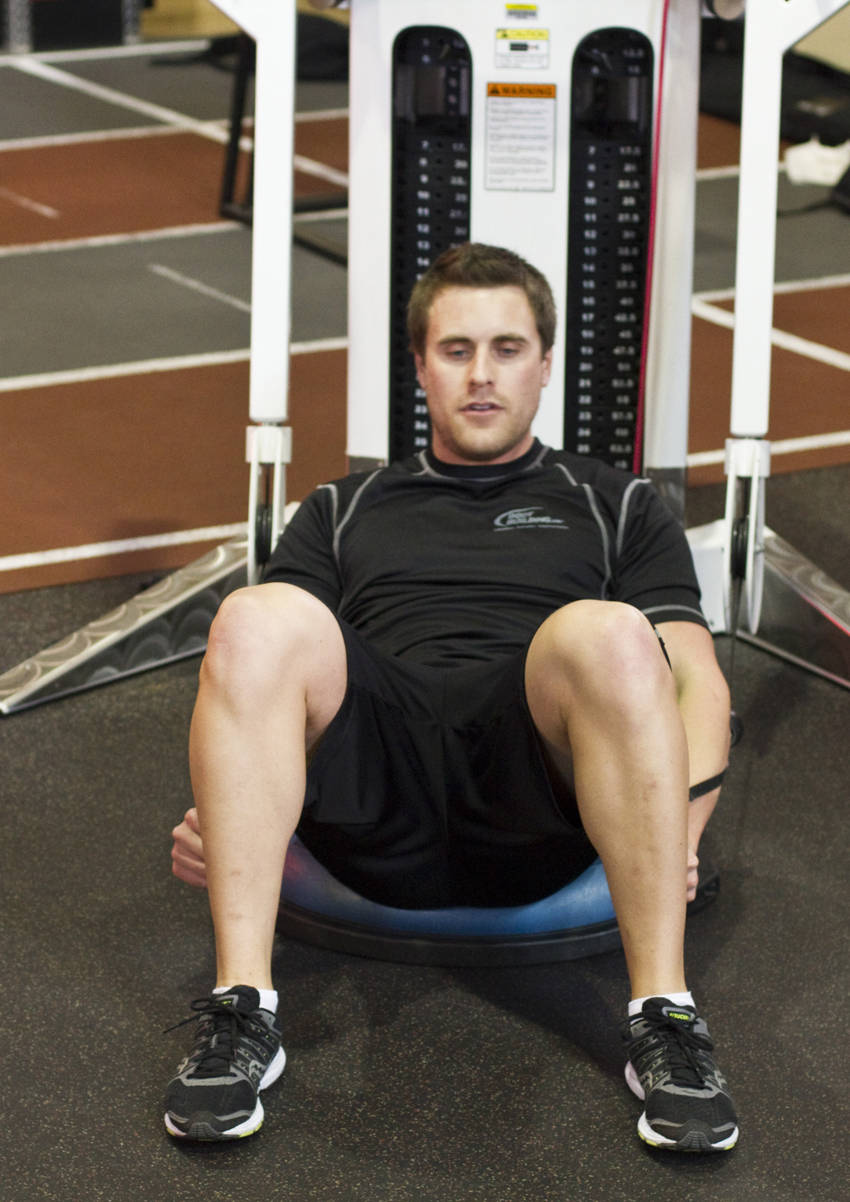
Bosu Ball Cable Crunch With Side Bends
A beginner isolation strength exercise that works the abs, using a cable machine.
-
6
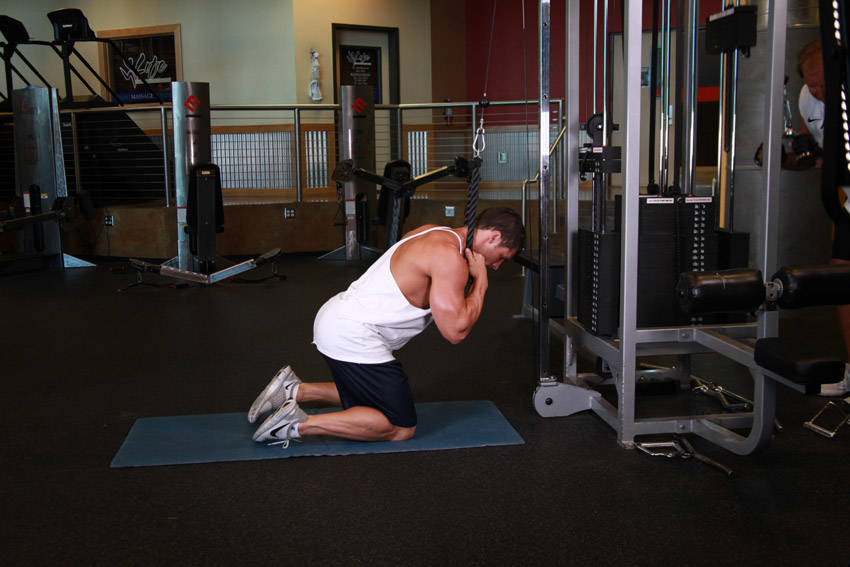
Cable Crunch
A beginner isolation strength exercise that works the abs, using a cable machine.
-
7
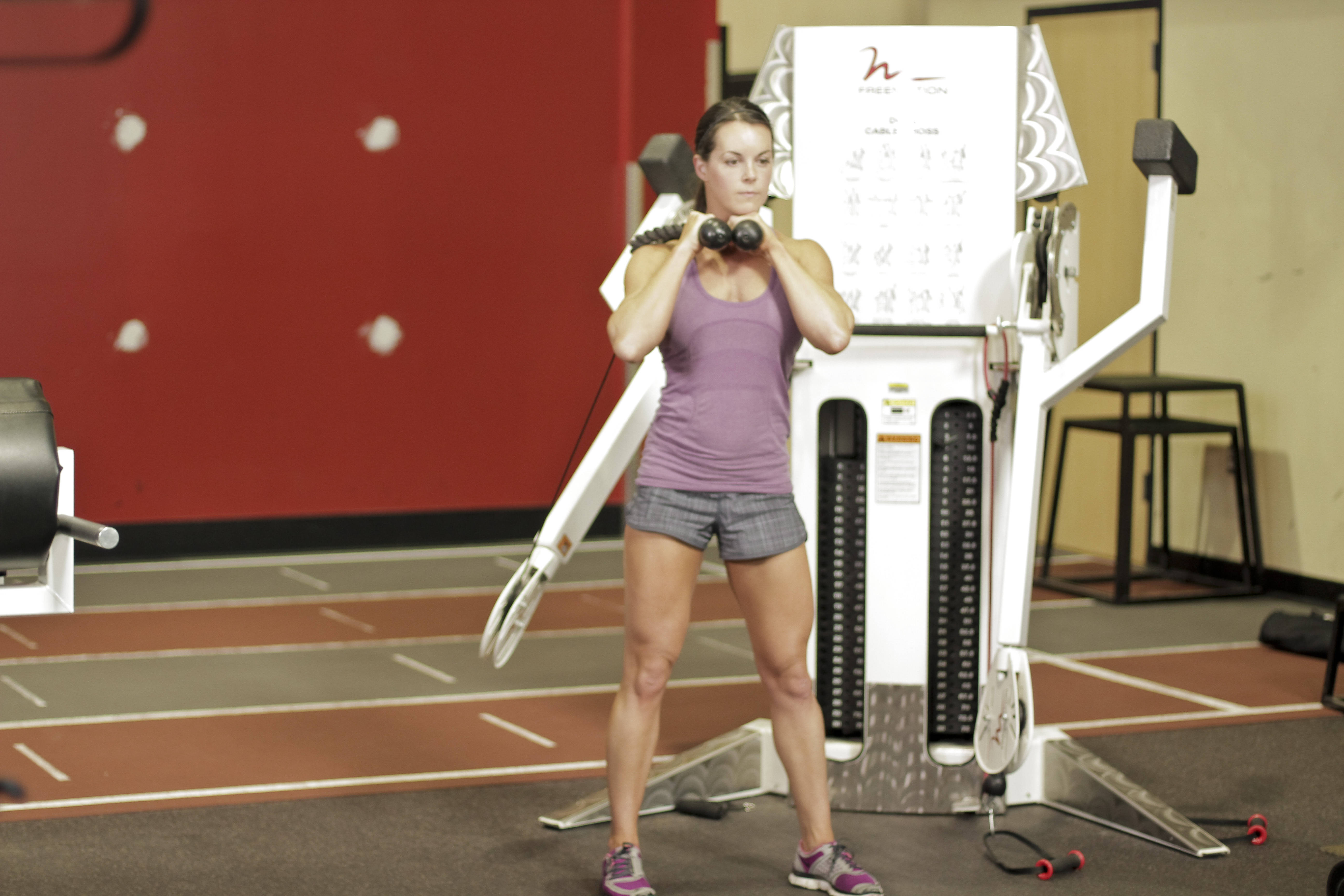
Cable Judo Flip
A beginner compound strength exercise that works the abs, using a cable machine.
-
8
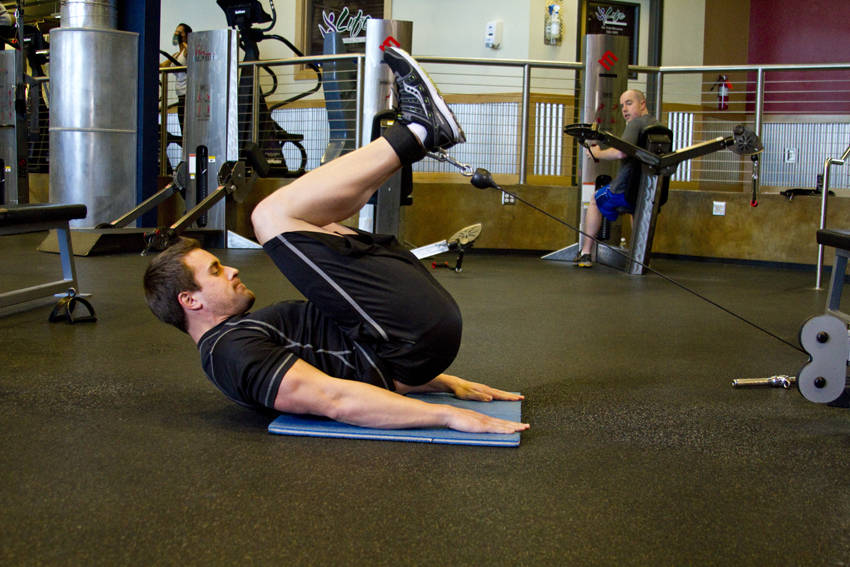
Cable Reverse Crunch
A beginner isolation strength exercise that works the abs, using a cable machine.
-
9
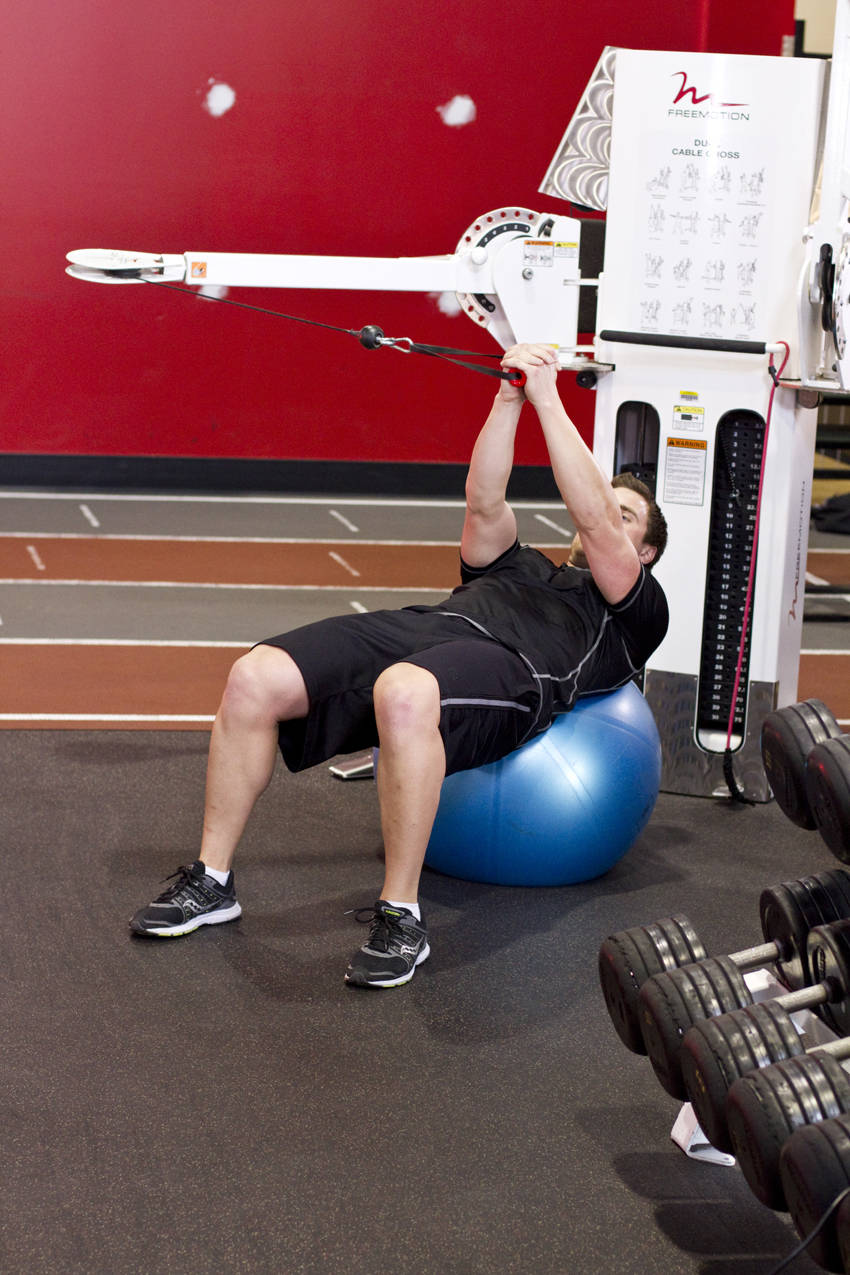
Cable Russian Twists
A beginner compound strength exercise that works the abs, using a cable machine.
-
10
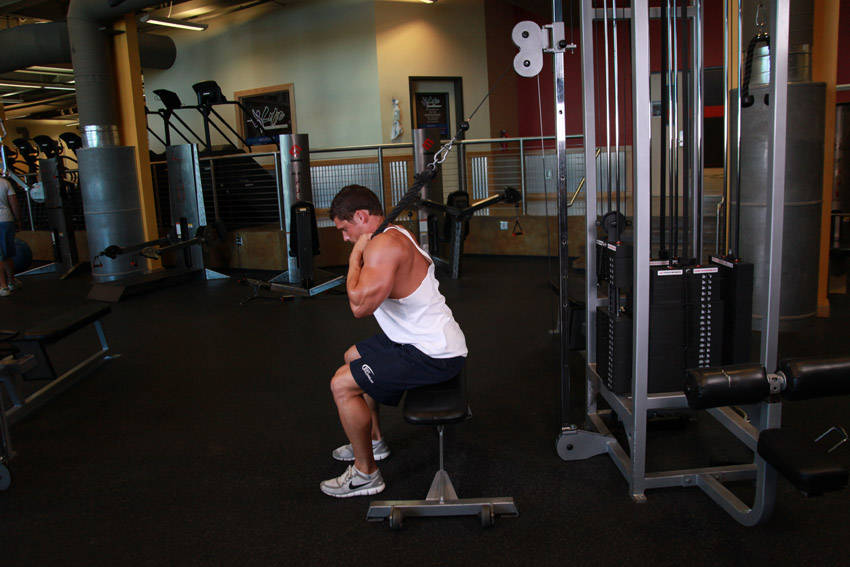
Cable Seated Crunch
A beginner isolation strength exercise that works the abs, using a cable machine.
Frequently Asked Questions
What muscles do crunches work?
Crunches primarily works the abs. The obliques assist as secondary muscles.
What equipment do I need for crunches?
None. Crunches is a bodyweight movement you can do anywhere you have floor space.
Crunches: is it suitable for beginners?
Yes. Crunches is rated beginner. Movements you can learn in a session, with a low skill floor and a forgiving failure mode.
What can I do instead of crunches?
Weighted Crunches, Oblique Crunches, Oblique Crunches - On The Floor train the same primary muscles and are listed with 7 more alternatives above.
Can Fitnit count my crunches reps automatically?
Yes. Crunches is one of the movements Fitnit tracks with on-device pose detection — the phone camera counts reps and scores your form, with no wearable and no manual logging.
Written by the Fitnit team. Photographs from free-exercise-db (public domain).
Track Your Crunches with AI
Fitnit uses proprietary body tracking technology to automatically count your crunches reps and analyze your form in real time. Get started free — Pro is just $8.99/month.