Plank
The plank is a foundational isometric core exercise that builds stability and endurance. By maintaining a rigid body position, you train the deep core muscles that protect your spine.
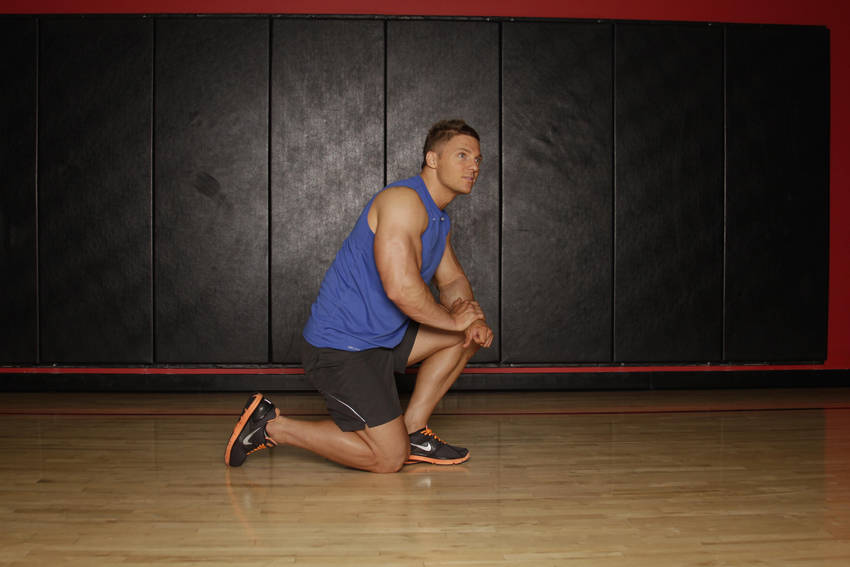 Starting position
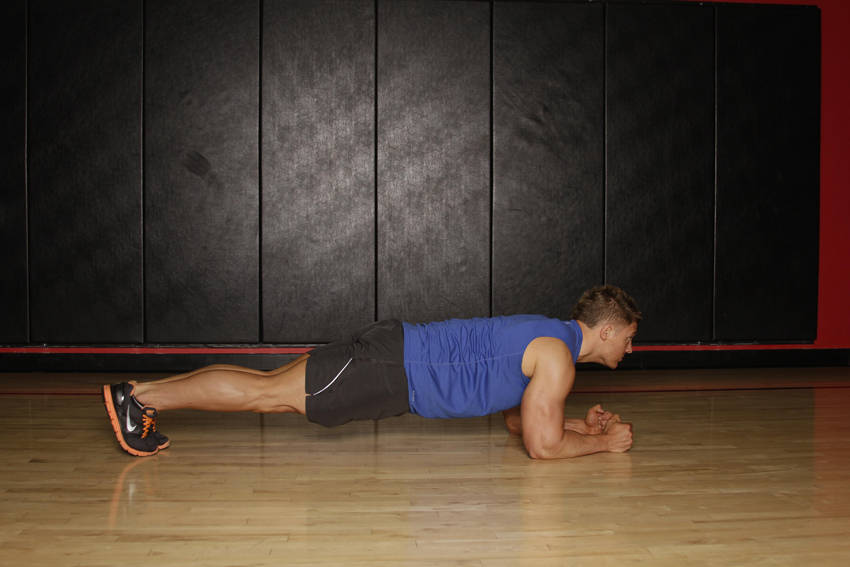 End position
How to Do Plank
- Start in a forearm position with elbows directly under shoulders
- Extend your legs behind you, resting on your toes
- Create a straight line from head to heels
- Engage your entire core, squeezing glutes and quads
- Hold the position for the prescribed duration
Form Tips
- Don't let your hips sag or pike up
- Keep your neck neutral by looking at the floor
- Breathe normally throughout the hold
- Think about pulling your elbows toward your toes
- Squeeze your glutes to maintain alignment
Common Mistakes to Avoid
- Sagging hips creating a banana shape
- Piking hips up too high
- Holding breath during the exercise
- Placing elbows too far forward
- Looking up instead of keeping neck neutral
Muscles Worked
Benefits of Plank
- Builds isometric core strength
- Improves posture and spinal stability
- No equipment or movement required
- Engages multiple muscle groups simultaneously
- Scalable by adjusting hold duration
Variations
High Plank
beginnerArms extended in push-up position
Side Plank
intermediateLateral plank targeting obliques
Plank with Shoulder Tap
intermediateAlternating hand to opposite shoulder
Plank to Push-Up
intermediateTransitioning between forearm and high plank
RKC Plank
advancedMaximum tension plank for shorter duration
Alternatives to Plank
10 movements that train the same primary muscle, closest substitutes first — same kind of training, then variations of the movement itself, then a similar difficulty.
-
1
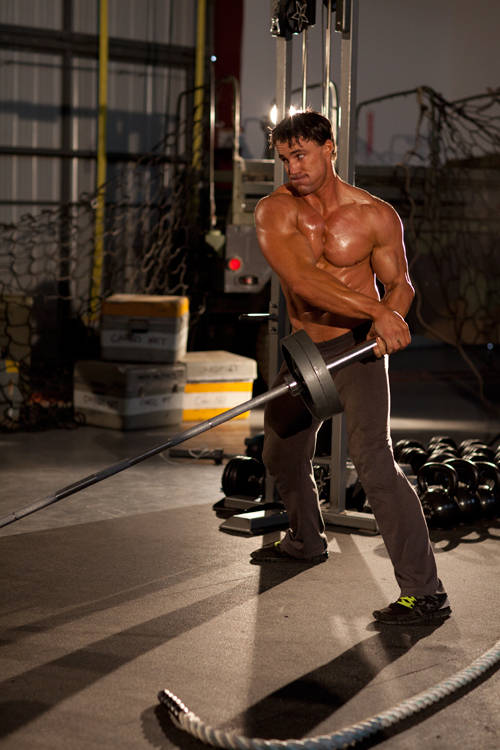
Landmine 180's
A beginner compound strength exercise that works the abs, using a barbell.
-
2
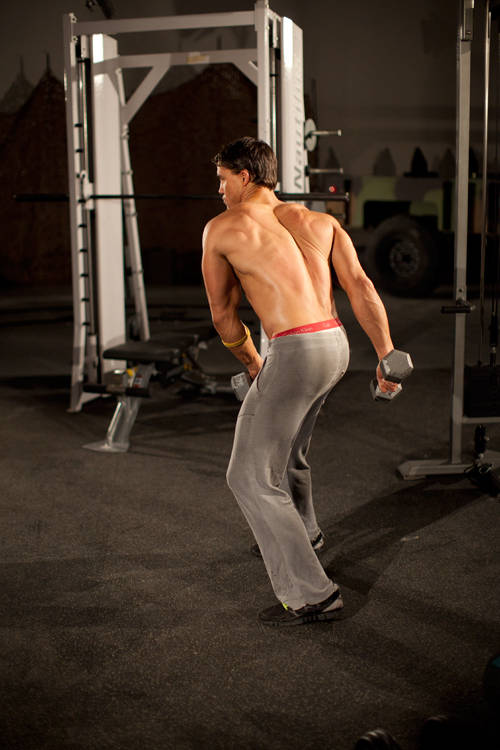
Spell Caster
A beginner compound strength exercise that works the abs, using dumbbells.
-
3
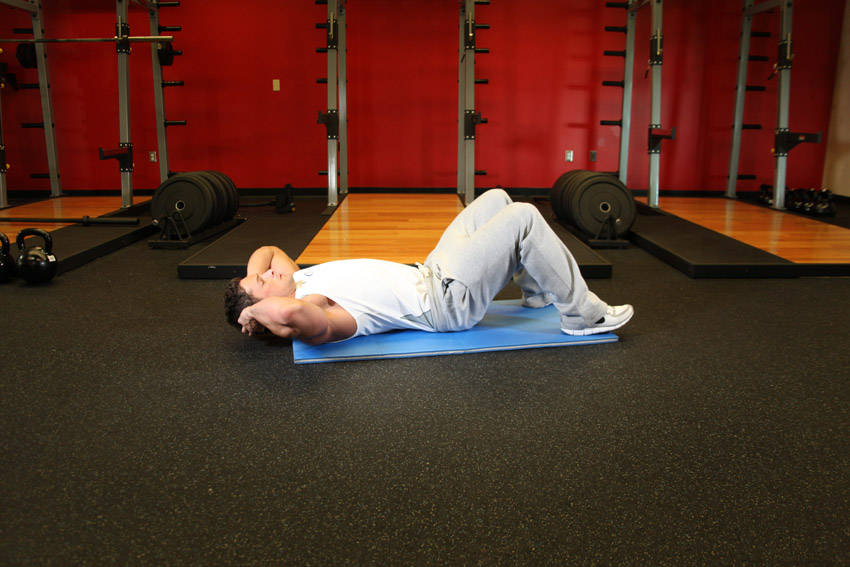
Crunches
Crunches are a classic abdominal exercise that isolates the rectus abdominis. When performed correctly, they're an effective way to build core strength and muscular endurance.
-
4
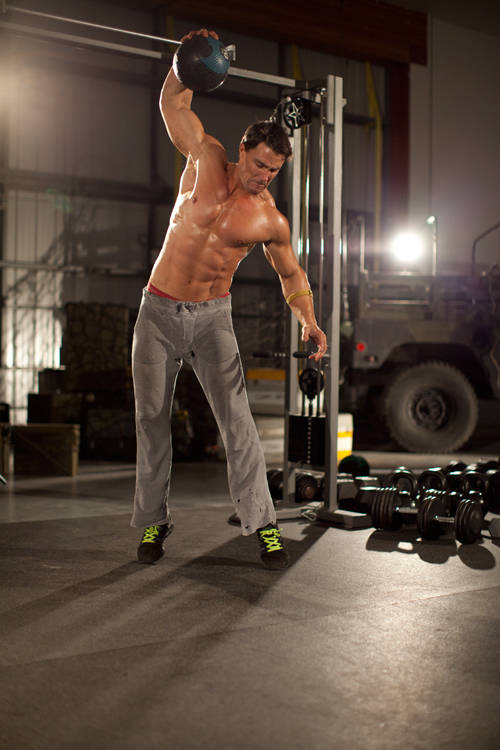
One-Arm Medicine Ball Slam
A beginner compound strength exercise that works the abs, using a medicine ball.
-
5
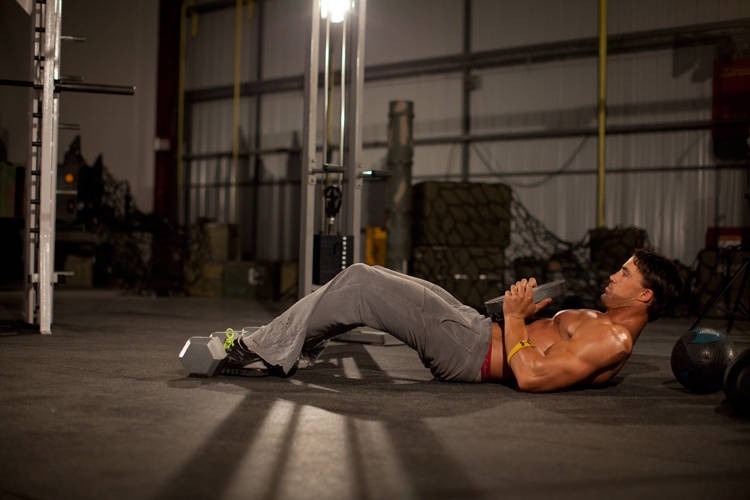
Otis-Up
A beginner compound strength exercise that works the abs.
-
6
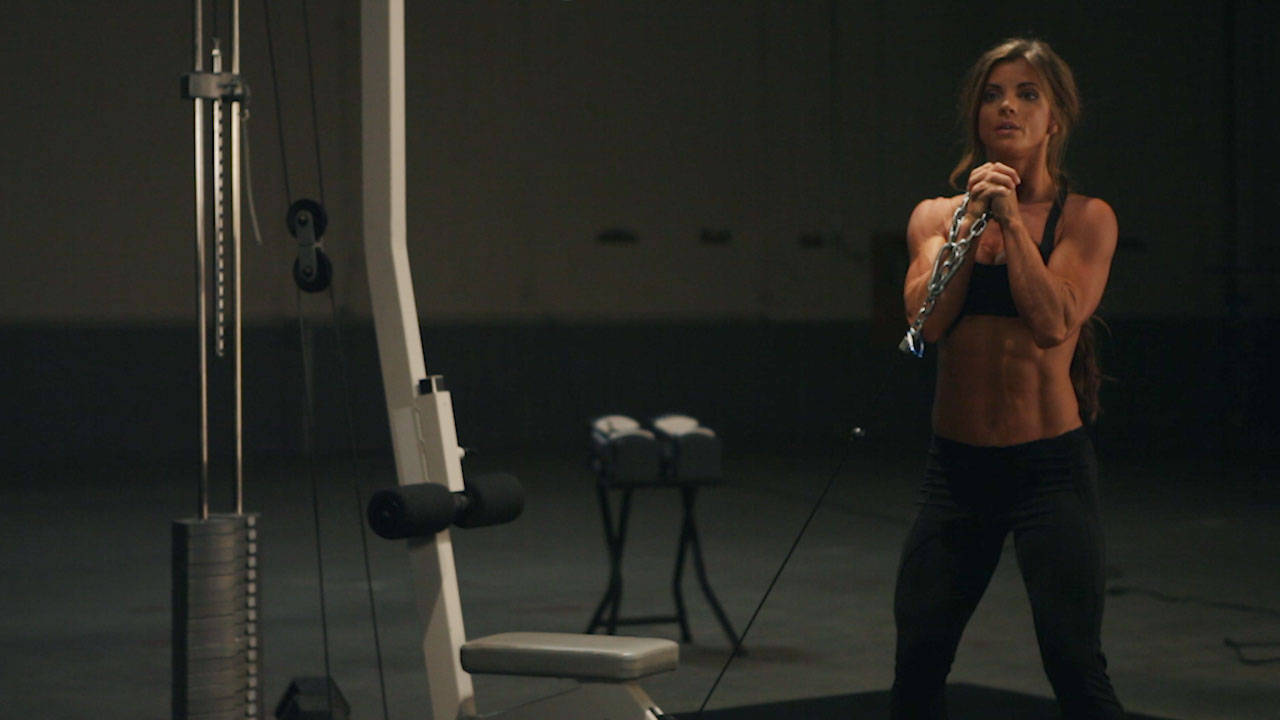
Pallof Press
A beginner isolation strength exercise that works the abs, using a cable machine.
-
7
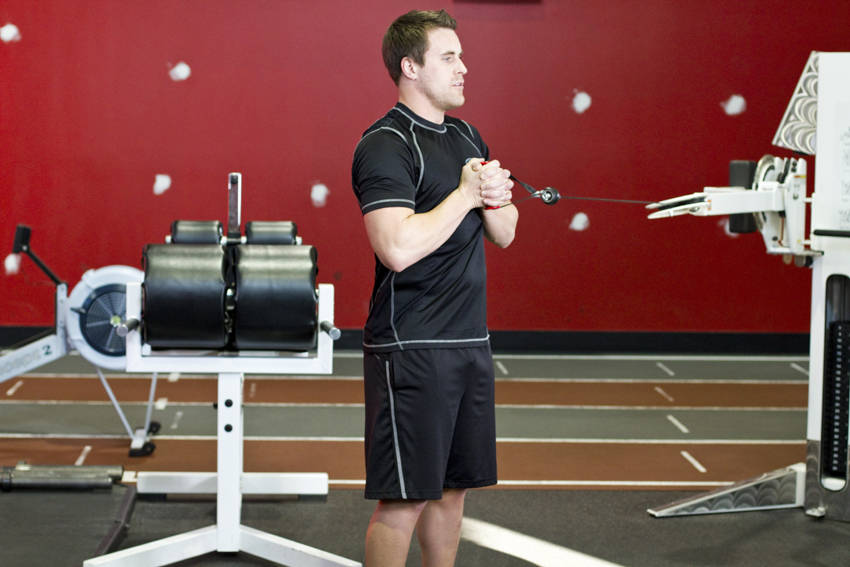
Pallof Press With Rotation
A beginner compound strength exercise that works the abs, using a cable machine.
-
8
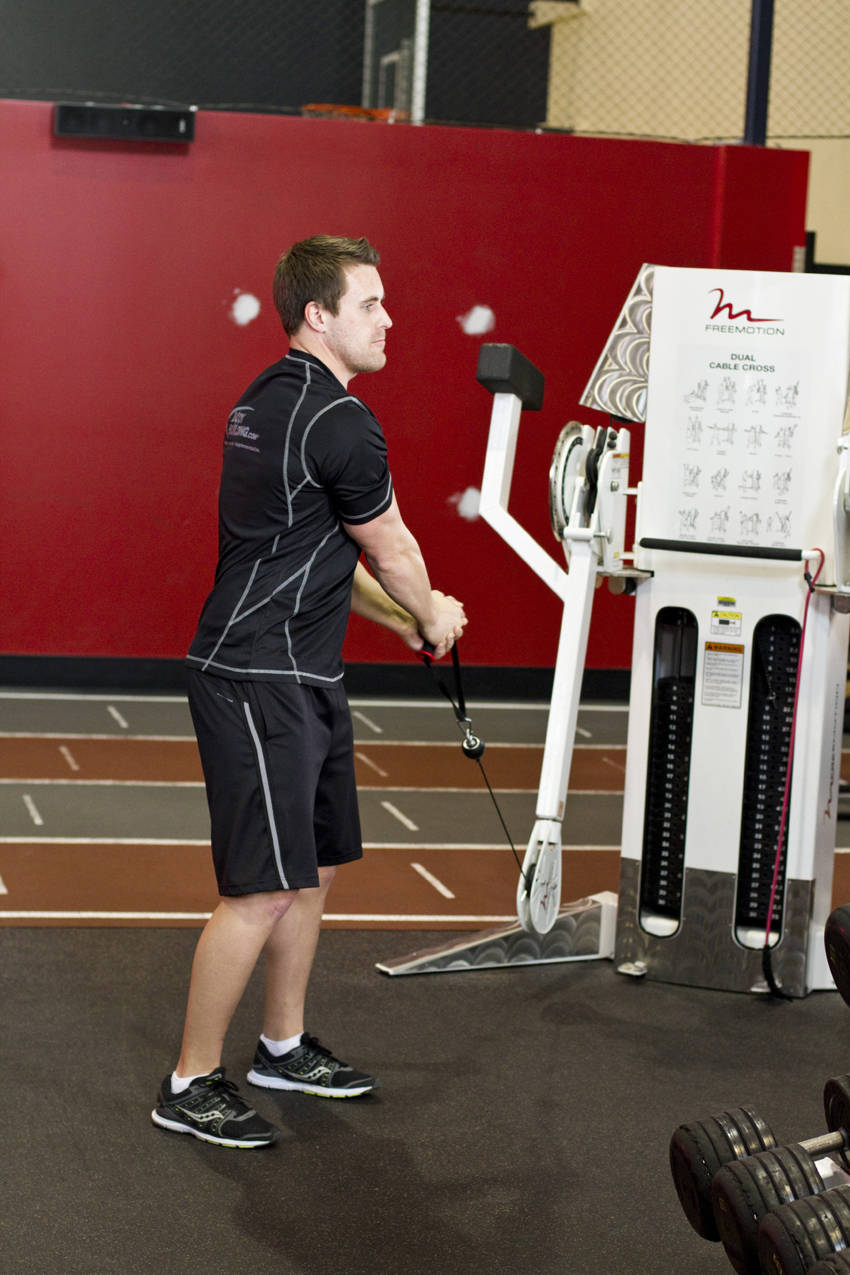
Standing Cable Lift
A beginner compound strength exercise that works the abs, using a cable machine.
-
9
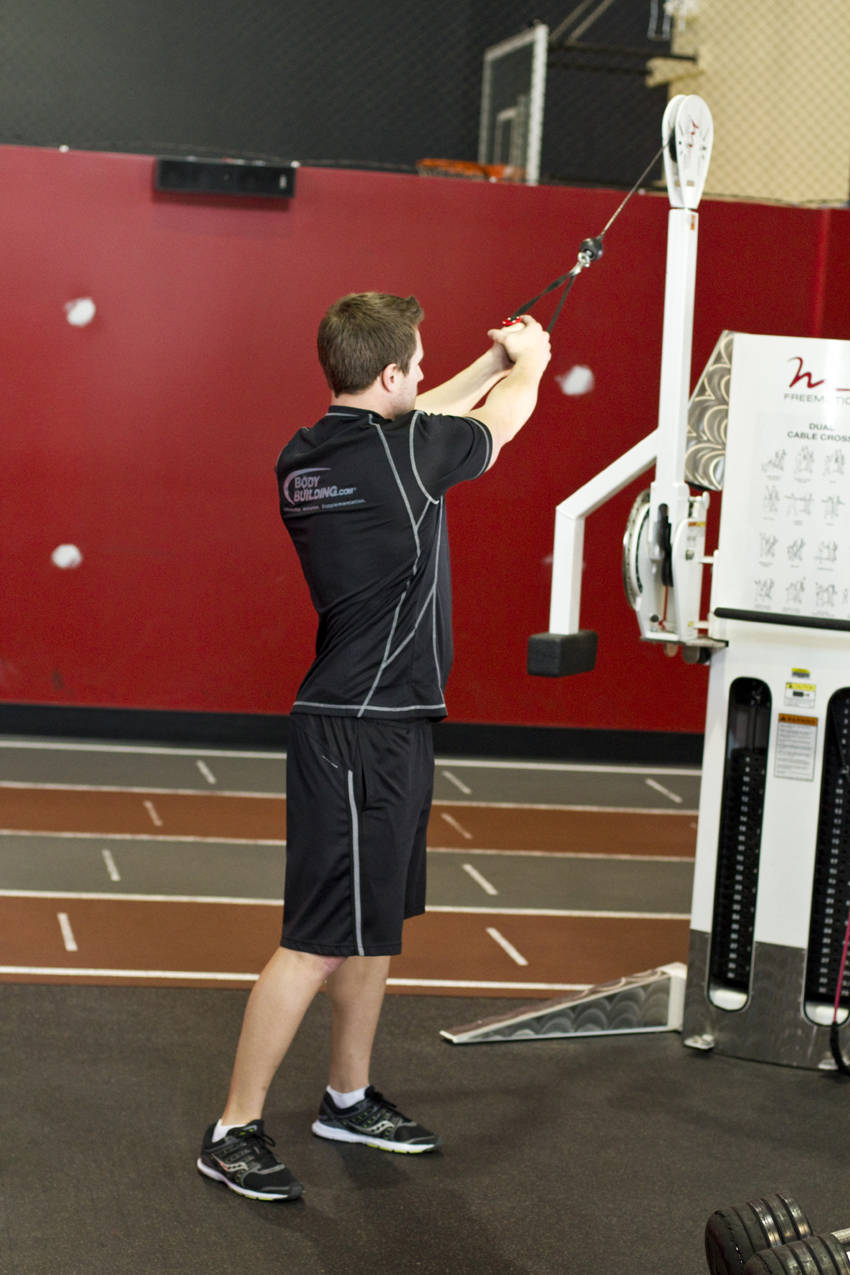
Standing Cable Wood Chop
A beginner compound strength exercise that works the abs, using a cable machine.
-
10
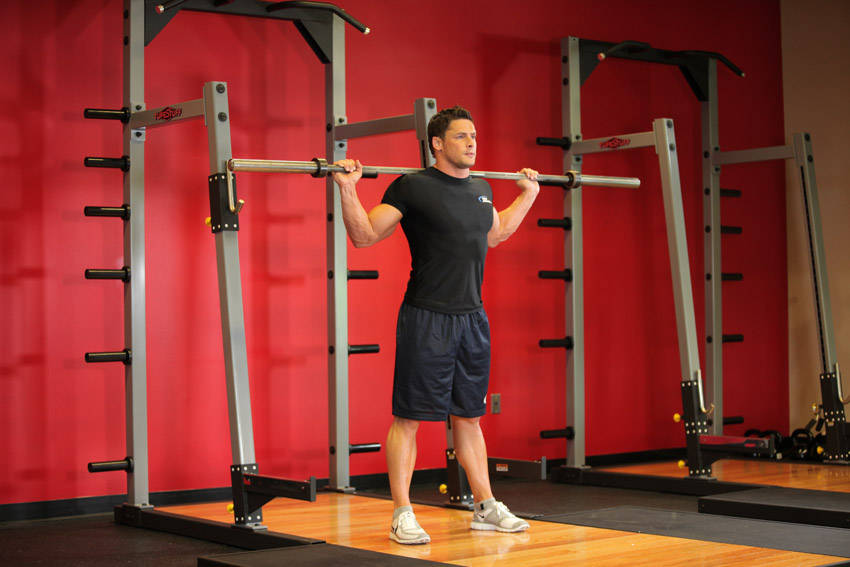
Barbell Side Bend
A beginner isolation strength exercise that works the abs, using a barbell.
Frequently Asked Questions
What muscles do plank work?
Plank primarily works the abs. The obliques, shoulders and glutes assist as secondary muscles.
What equipment do I need for plank?
None. Plank is a bodyweight movement you can do anywhere you have floor space.
Plank: is it suitable for beginners?
Yes. Plank is rated beginner. Movements you can learn in a session, with a low skill floor and a forgiving failure mode.
What can I do instead of plank?
Landmine 180's, Spell Caster, Crunches train the same primary muscles and are listed with 7 more alternatives above.
Can Fitnit count my plank reps automatically?
Not automatically yet. Fitnit's AI rep counting covers push-ups, squats, dumbbell curls, crunches and pull-ups today; plank can be logged manually in the app, and tracked movements are added over time.
Written by the Fitnit team. Photographs from free-exercise-db (public domain).
Track Your Plank with AI
Fitnit automatically tracks push-ups, crunches, squats, pull-ups, and curls with advanced body tracking technology — and you can manually input any other workout too. Start free — Pro is $8.99/month.