Linear 3-Part Start Technique
A beginner compound plyometric exercise that works the hamstrings.
 Starting position
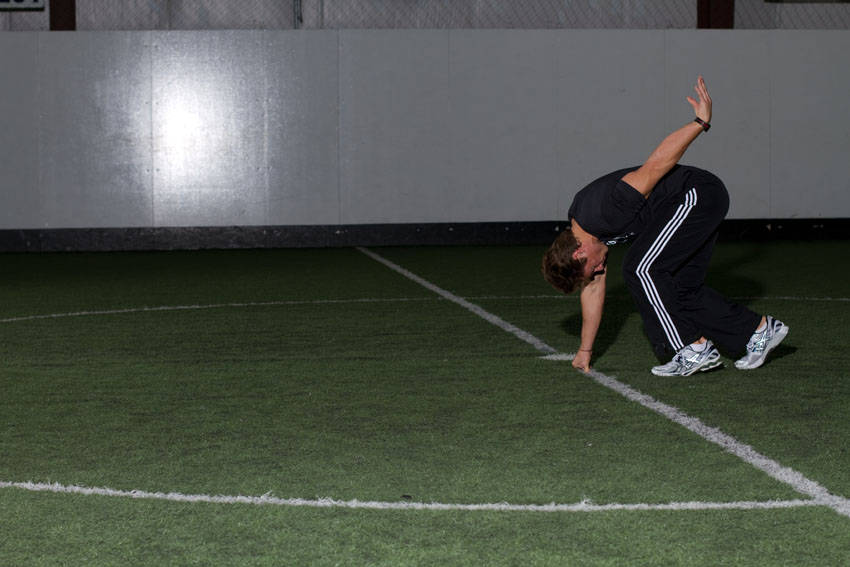 End position
How to Do Linear 3-Part Start Technique
- This drill helps you accelerate as quickly as possible into a sprint from a dead stop. It helps to use a line to start from. Begin with two feet on the line. Place your left foot with the toe next to your right ankle. Place your right foot 4-6 inches behind the left.
- Place your right hand onto the line, and thing bring your nose close to your left knee.
- Squat down as you lean foward, your head being lower than your hips and your weight loaded onto the left leg. This will be your starting position.
- Take your left hand up so that it is parallel to the ground, pointing behind you, and explode out when ready.
Muscles Worked
Alternatives to Linear 3-Part Start Technique
10 movements that train the same primary muscle, closest substitutes first — same kind of training, then variations of the movement itself, then a similar difficulty.
-
1
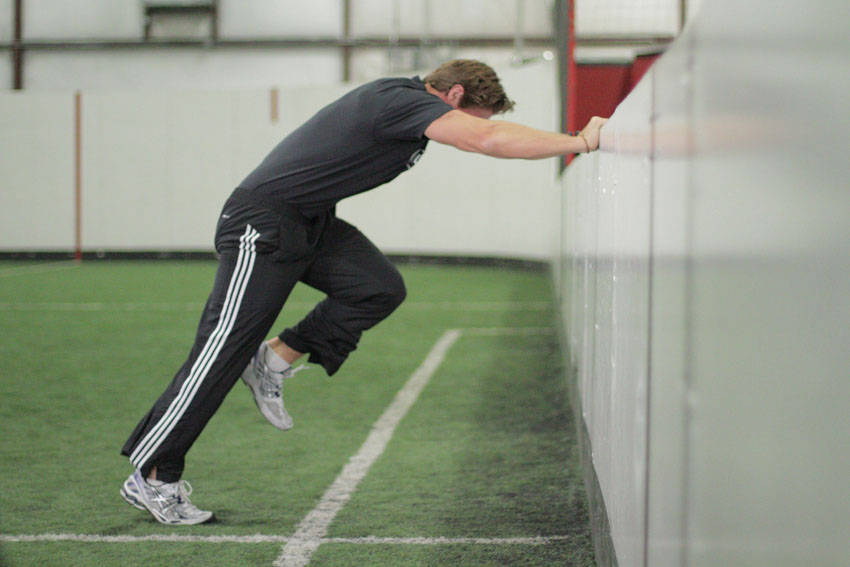
Linear Acceleration Wall Drill
A beginner compound plyometric exercise that works the hamstrings.
-
2
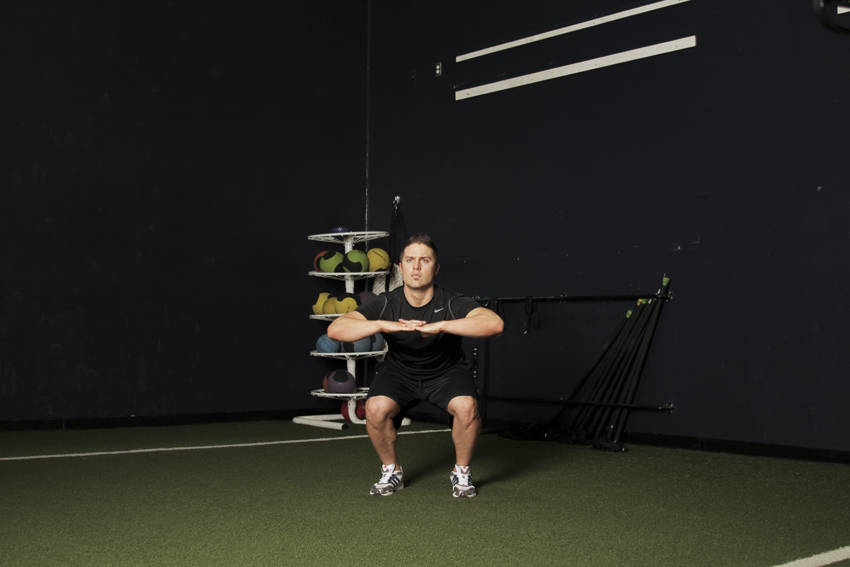
Knee Tuck Jump
A beginner compound plyometric exercise that works the hamstrings, needing no equipment.
-
3

Vertical Swing
A beginner compound plyometric exercise that works the hamstrings, using dumbbells.
-
4

Box Jump (Multiple Response)
A beginner compound plyometric exercise that works the hamstrings.
-
5
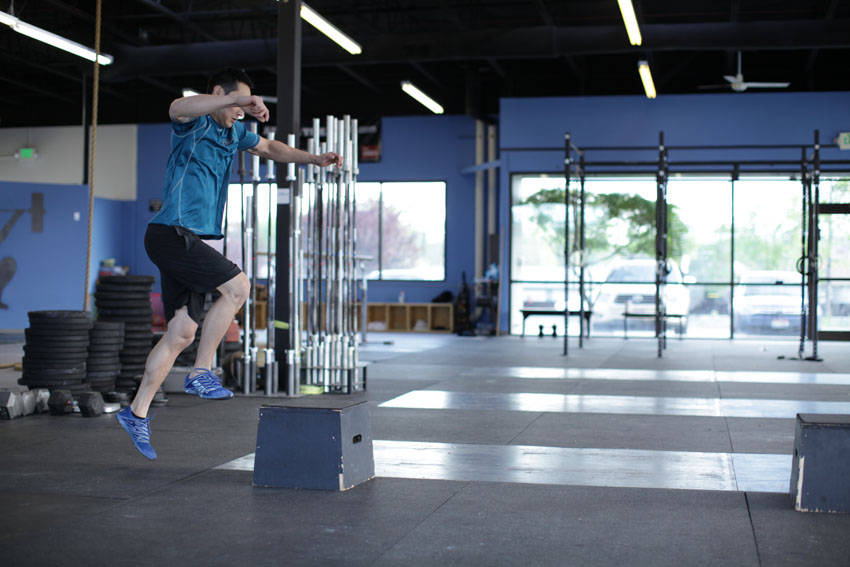
Box Skip
A beginner compound plyometric exercise that works the hamstrings.
-
6
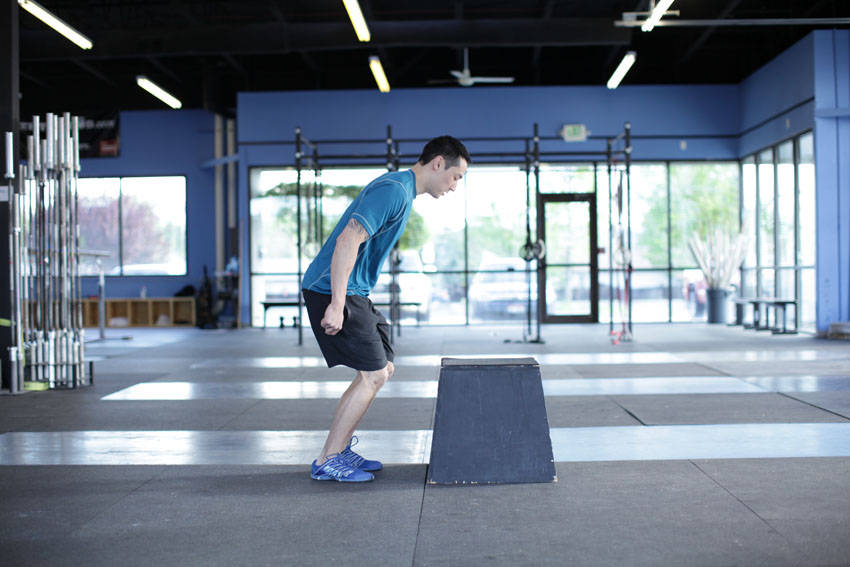
Front Box Jump
A beginner compound plyometric exercise that works the hamstrings.
-
7

Moving Claw Series
A beginner compound plyometric exercise that works the hamstrings.
-
8

Hurdle Hops
A beginner compound plyometric exercise that works the hamstrings.
-
9
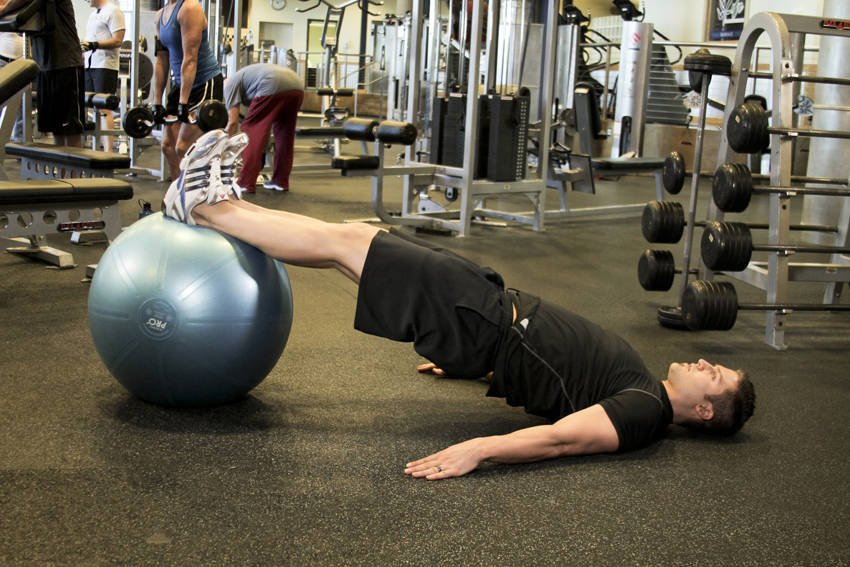
Ball Leg Curl
A beginner isolation strength exercise that works the hamstrings, using an exercise ball.
-
10
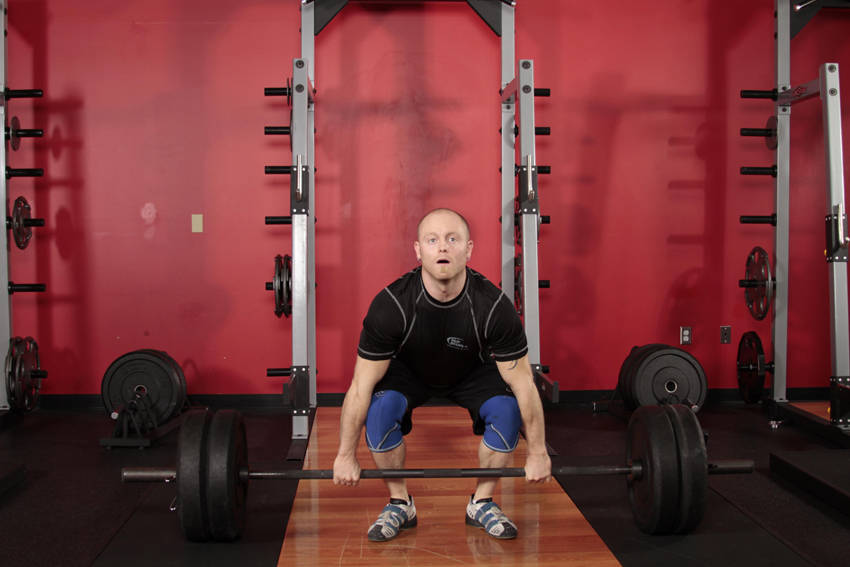
Clean Deadlift
A beginner compound Olympic weightlifting exercise that works the hamstrings, using a barbell.
Frequently Asked Questions
What muscles do linear 3-part start technique work?
Linear 3-Part Start Technique primarily works the hamstrings. The calves and quads assist as secondary muscles.
What equipment do I need for linear 3-part start technique?
The source dataset does not record equipment for linear 3-part start technique. Check the instructions above before you set up.
Linear 3-Part Start Technique: is it suitable for beginners?
Yes. Linear 3-Part Start Technique is rated beginner. Movements you can learn in a session, with a low skill floor and a forgiving failure mode.
What can I do instead of linear 3-part start technique?
Linear Acceleration Wall Drill, Knee Tuck Jump, Vertical Swing train the same primary muscles and are listed with 7 more alternatives above.
Can Fitnit count my linear 3-part start technique reps automatically?
Not automatically yet. Fitnit's AI rep counting covers push-ups, squats, dumbbell curls, crunches and pull-ups today; linear 3-part start technique can be logged manually in the app, and tracked movements are added over time.
Photographs and step-by-step instructions from free-exercise-db, a public-domain exercise dataset. Muscle mapping and alternatives by Fitnit.
Track Your Linear 3-Part Start Technique with AI
Fitnit automatically tracks push-ups, crunches, squats, pull-ups, and curls with advanced body tracking technology — and you can manually input any other workout too. Start free — Pro is $8.99/month.