Pull-Ups
Pull-ups are the gold standard upper body pulling exercise, building a wide, strong back and powerful arms. They're one of the best indicators of relative body strength.
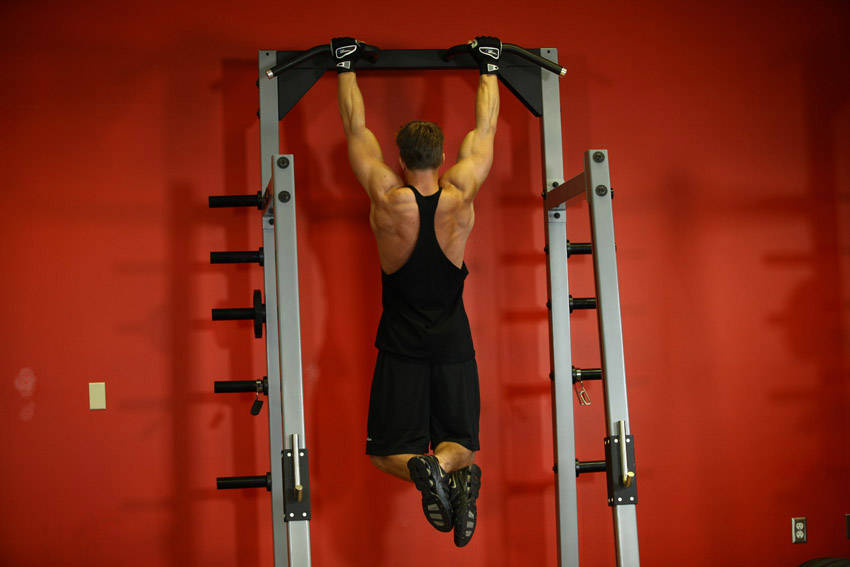 Starting position
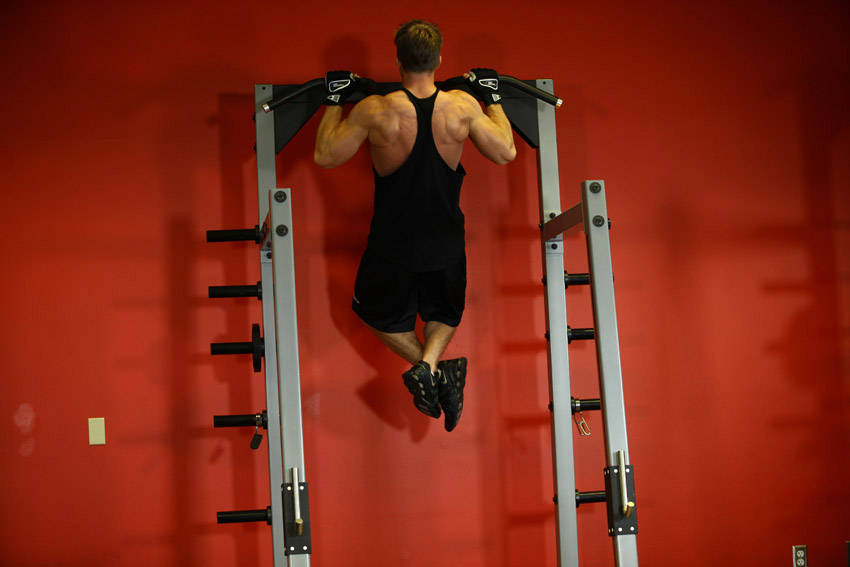 End position
How to Do Pull-Ups
- Hang from a bar with an overhand grip slightly wider than shoulder width
- Engage your lats and pull your chest up toward the bar
- Lead with your chest, not your chin
- Pull until your chin clears the bar
- Lower yourself slowly to a full dead hang
Form Tips
- Start from a dead hang with shoulders engaged
- Think about pulling your elbows down to your pockets
- Keep your core tight to prevent swinging
- Don't use kipping or momentum for strict pull-ups
- Full range of motion: dead hang to chin over bar
Common Mistakes to Avoid
- Using momentum and kipping without intent
- Not going through full range of motion
- Craning the neck to get chin over bar
- Letting shoulders shrug up at the bottom
- Grip too wide or too narrow
Muscles Worked
Benefits of Pull-Ups
- Best bodyweight exercise for back development
- Builds impressive pulling strength
- Strengthens grip and forearms
- Improves posture by strengthening upper back
- Compound movement working multiple muscle groups
Variations
Chin-Ups
intermediateUnderhand grip emphasizing biceps more
Negative Pull-Ups
beginnerJump up, slow controlled descent
Band-Assisted Pull-Ups
beginnerResistance band for assistance
Wide-Grip Pull-Ups
advancedWider grip for more lat emphasis
Muscle-Ups
advancedPull-up transitioning into a dip at the top
Weighted Pull-Ups
advancedAdded weight via belt or vest
Alternatives to Pull-Ups
10 movements that train the same primary muscle, closest substitutes first — same kind of training, then variations of the movement itself, then a similar difficulty.
-
1
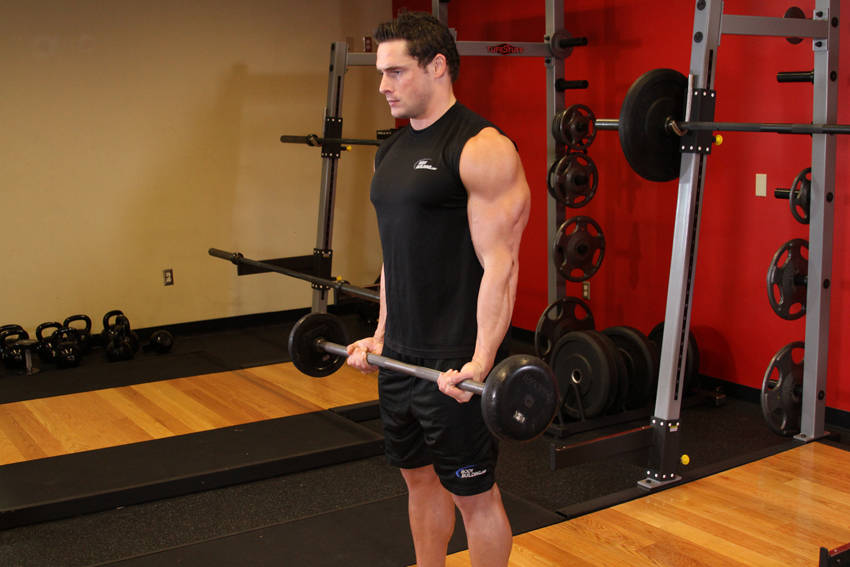
Drag Curl
An intermediate compound strength exercise that works the biceps, using a barbell.
-
2
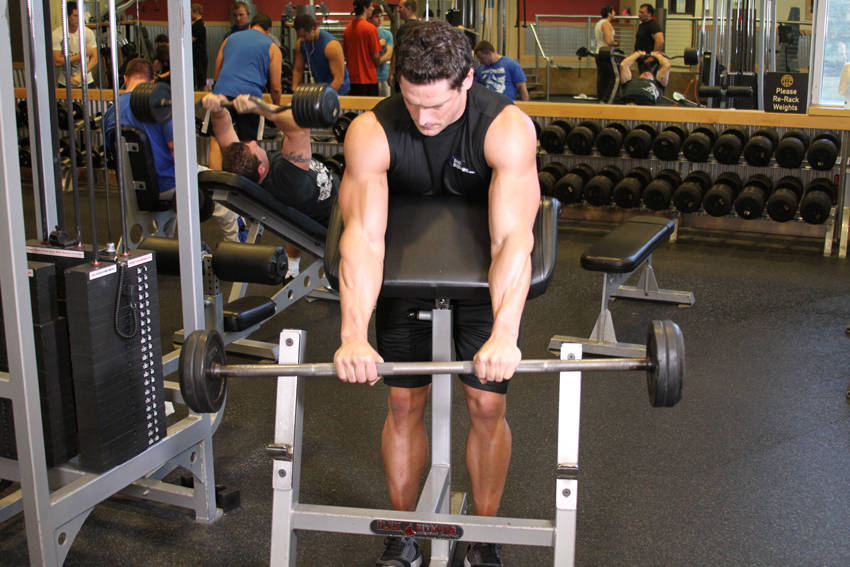
Reverse Barbell Preacher Curls
An intermediate isolation strength exercise that works the biceps, using an E-Z curl bar.
-
3
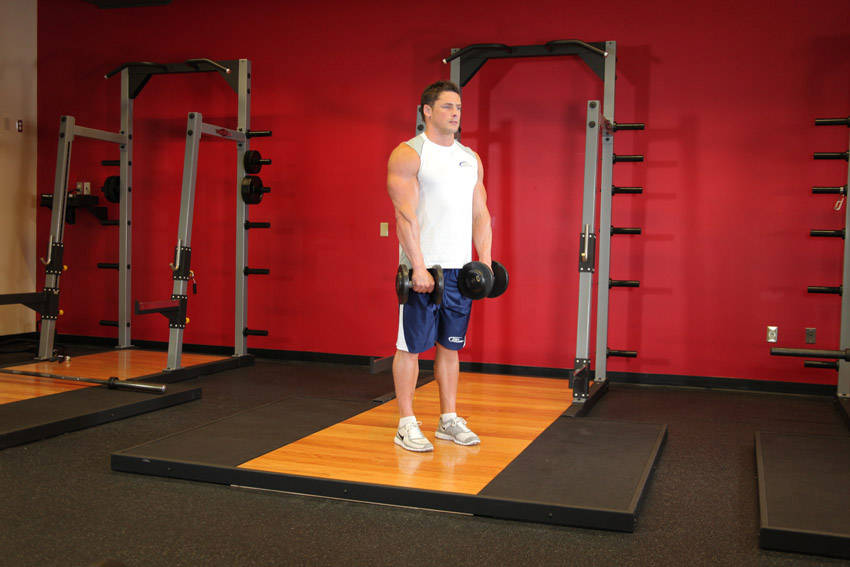
Standing Dumbbell Reverse Curl
An intermediate isolation strength exercise that works the biceps, using dumbbells.
-
4
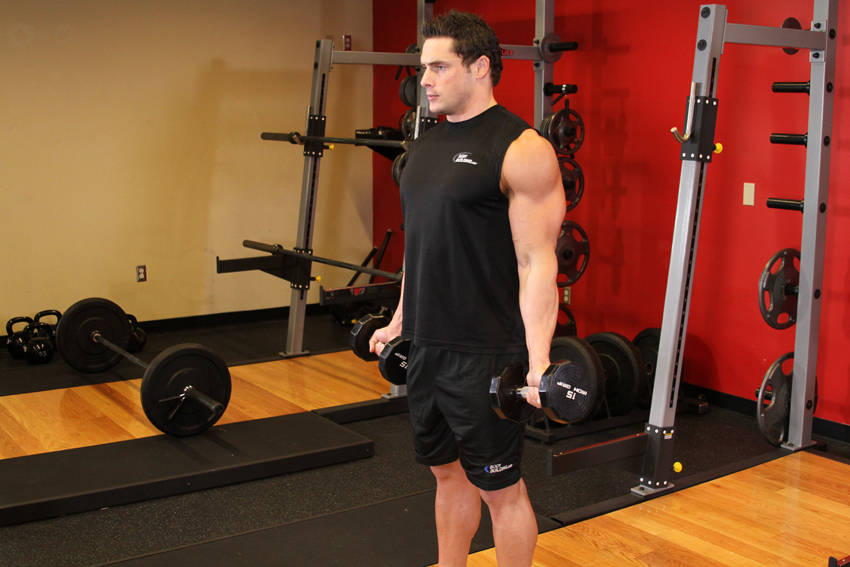
Zottman Curl
An intermediate isolation strength exercise that works the biceps, using dumbbells.
-
5
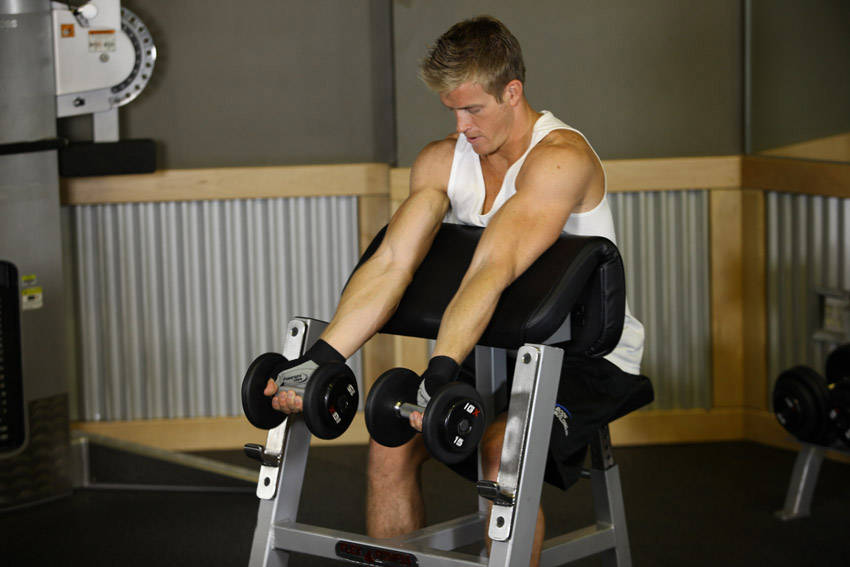
Zottman Preacher Curl
An intermediate isolation strength exercise that works the biceps, using dumbbells.
-
6
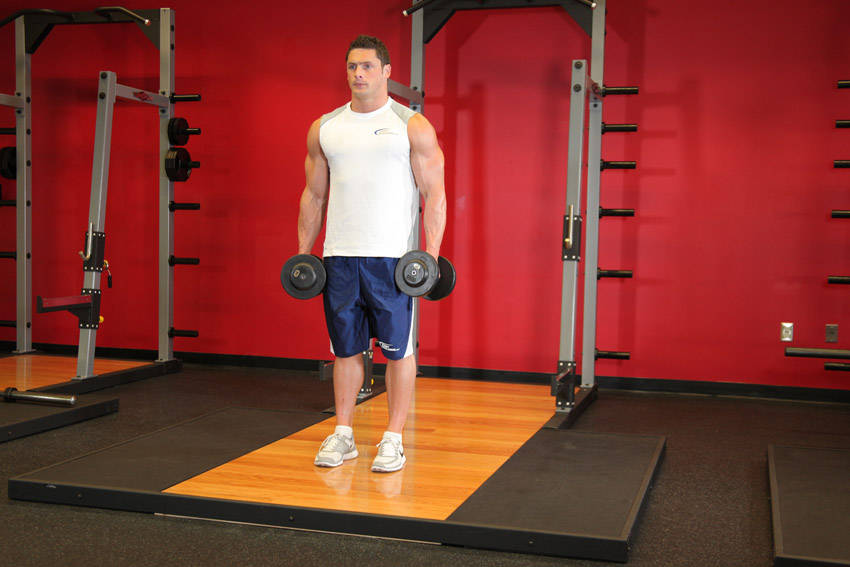
Dumbbell Curls
Dumbbell curls are the quintessential arm exercise for building bicep strength and size. The unilateral nature of dumbbells helps identify and correct muscle imbalances between arms.
-
7
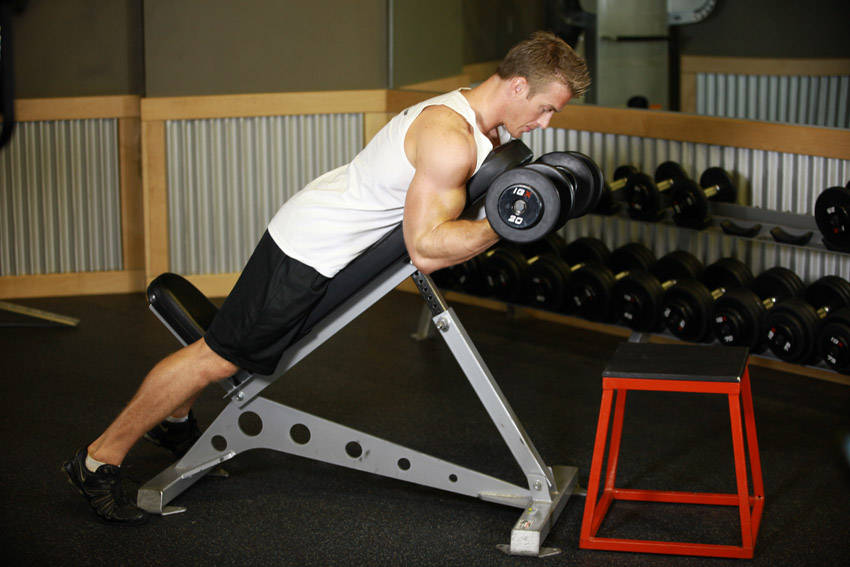
Dumbbell Prone Incline Curl
An intermediate isolation strength exercise that works the biceps, using dumbbells.
-
8
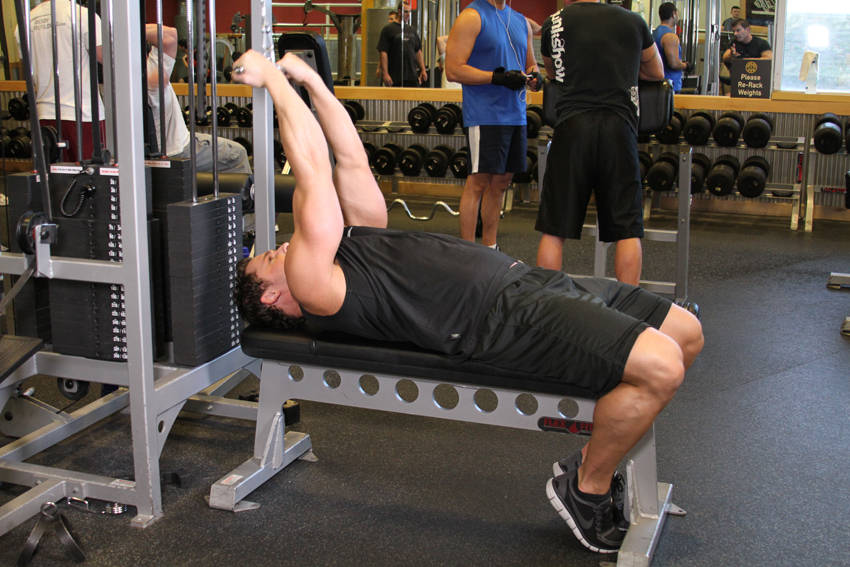
High Cable Curls
An intermediate compound strength exercise that works the biceps, using a cable machine.
-
9
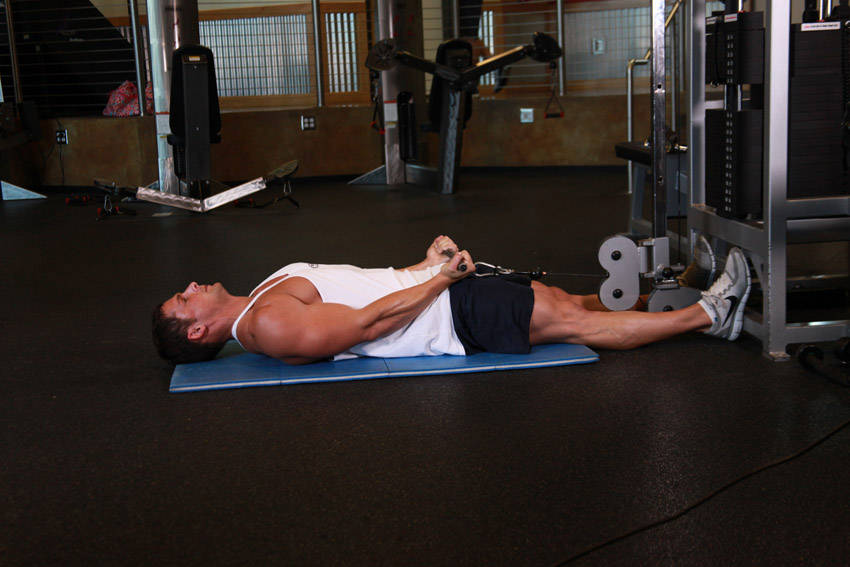
Lying Cable Curl
An intermediate isolation strength exercise that works the biceps, using a cable machine.
-
10
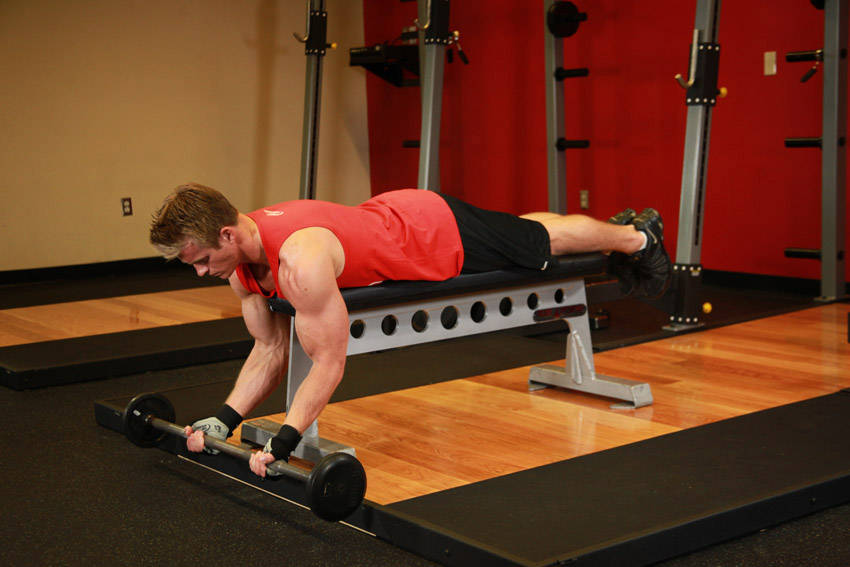
Lying High Bench Barbell Curl
An intermediate isolation strength exercise that works the biceps, using a barbell.
Frequently Asked Questions
What muscles do pull-ups work?
Pull-Ups primarily works the biceps. The forearms and abs assist as secondary muscles.
What equipment do I need for pull-ups?
None. Pull-Ups is a bodyweight movement you can do anywhere you have floor space.
Pull-Ups: is it suitable for beginners?
Pull-Ups is rated intermediate. Movements that assume you already own the basic pattern and are ready to load it.
What can I do instead of pull-ups?
Drag Curl, Reverse Barbell Preacher Curls, Standing Dumbbell Reverse Curl train the same primary muscles and are listed with 7 more alternatives above.
Can Fitnit count my pull-ups reps automatically?
Yes. Pull-Ups is one of the movements Fitnit tracks with on-device pose detection — the phone camera counts reps and scores your form, with no wearable and no manual logging.
Written by the Fitnit team. Photographs from free-exercise-db (public domain).
Track Your Pull-Ups with AI
Fitnit uses proprietary body tracking technology to automatically count your pull-ups reps and analyze your form in real time. Get started free — Pro is just $8.99/month.