Overhead Stretch
A beginner compound mobility exercise that works the abs.
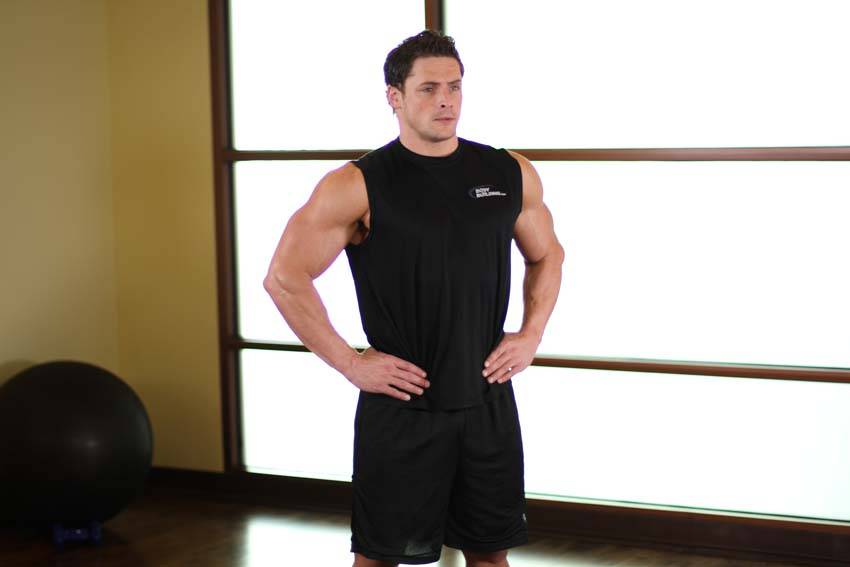 Starting position
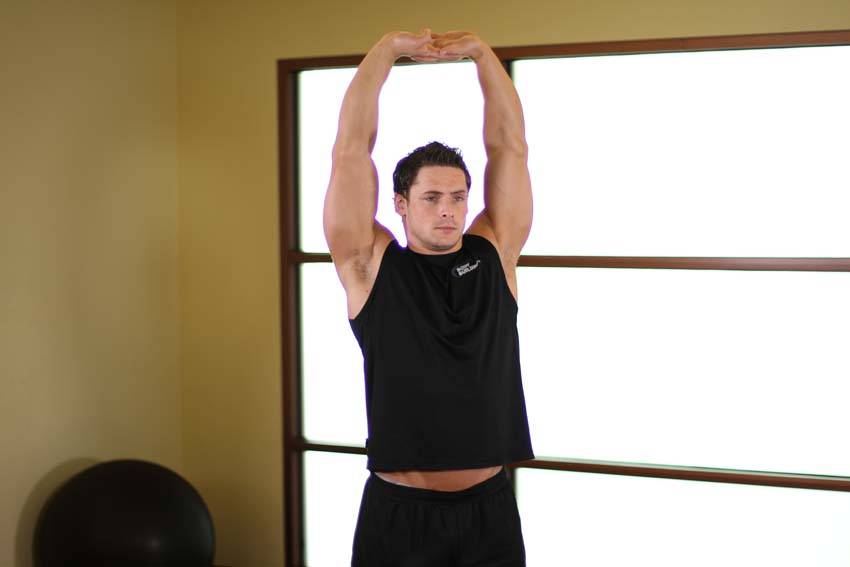 End position
How to Do Overhead Stretch
- Standing straight up, lace your fingers together and open your palms to the ceiling. Keep your shoulders down as you extend your arms up.
- To create a full torso stretch, pull your tailbone down and stabilize your torso as you do this. Stretch the muscles on both the front and the back of the torso.
Muscles Worked
Alternatives to Overhead Stretch
7 movements that train the same primary muscle, closest substitutes first — same kind of training, then variations of the movement itself, then a similar difficulty.
-
1
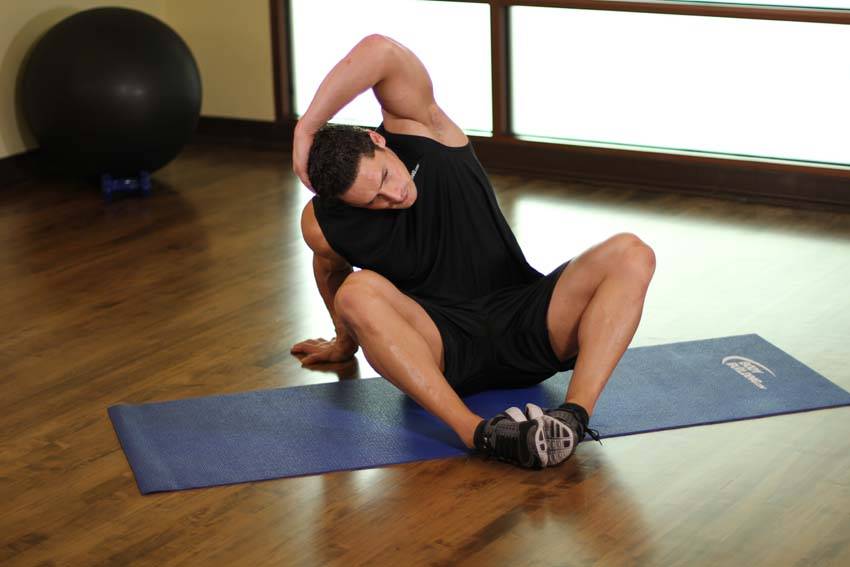
Seated Overhead Stretch
A beginner isolation mobility exercise that works the abs.
-
2
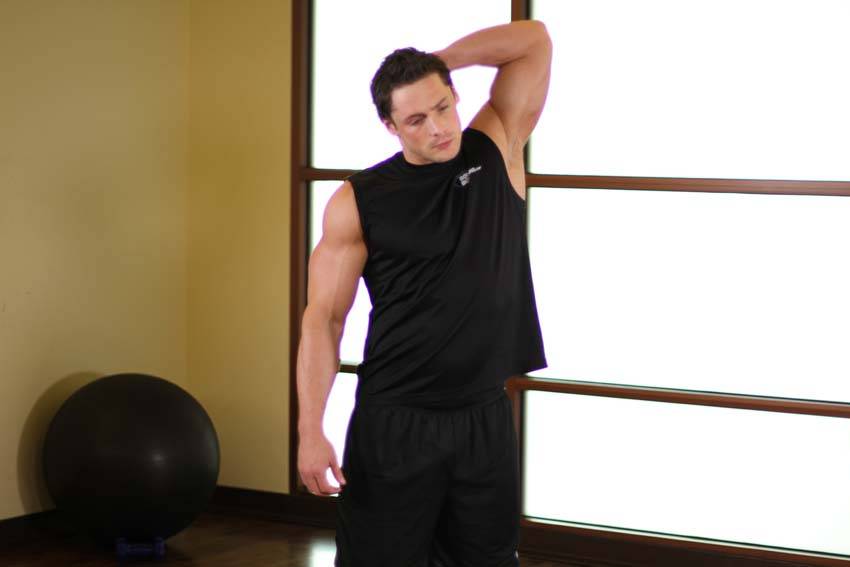
Standing Lateral Stretch
A beginner mobility exercise that works the abs.
-
3
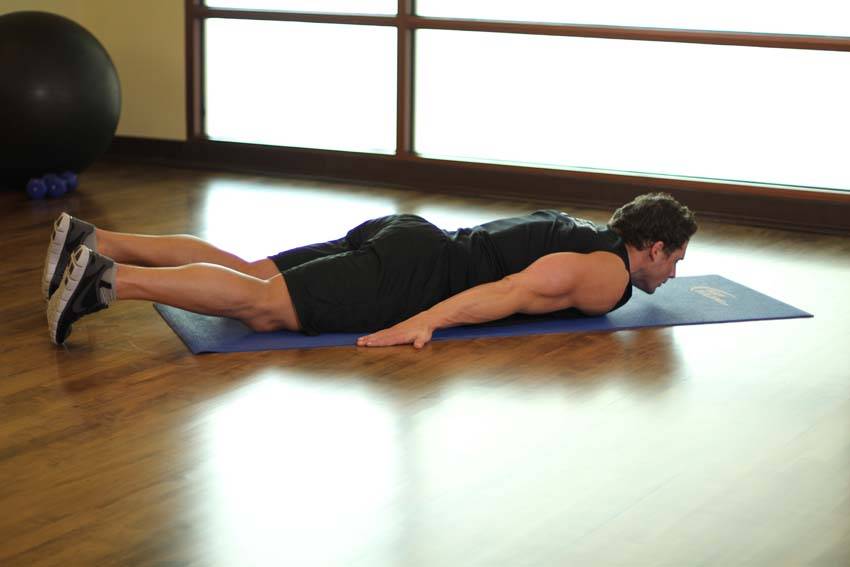
Lower Back Curl
A beginner mobility exercise that works the abs, needing no equipment.
-
4
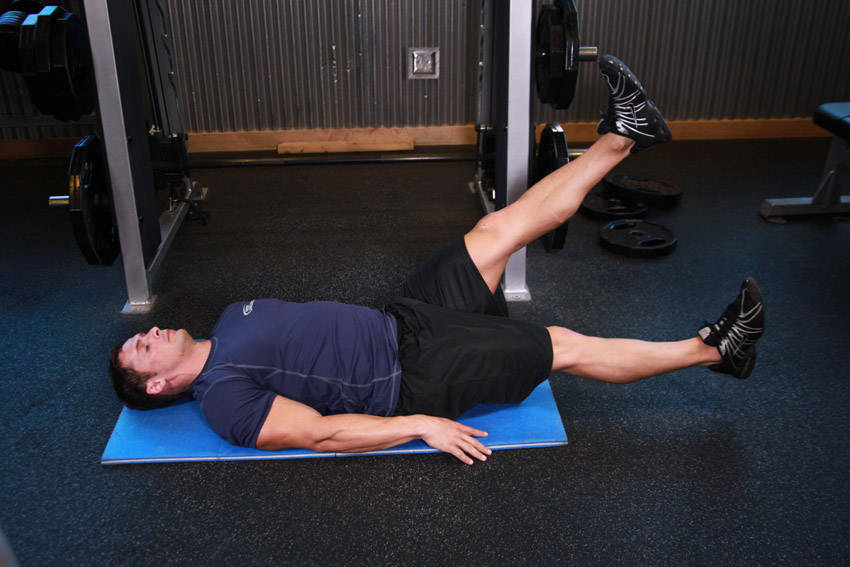
Scissor Kick
A beginner isolation mobility exercise that works the abs, needing no equipment.
-
5
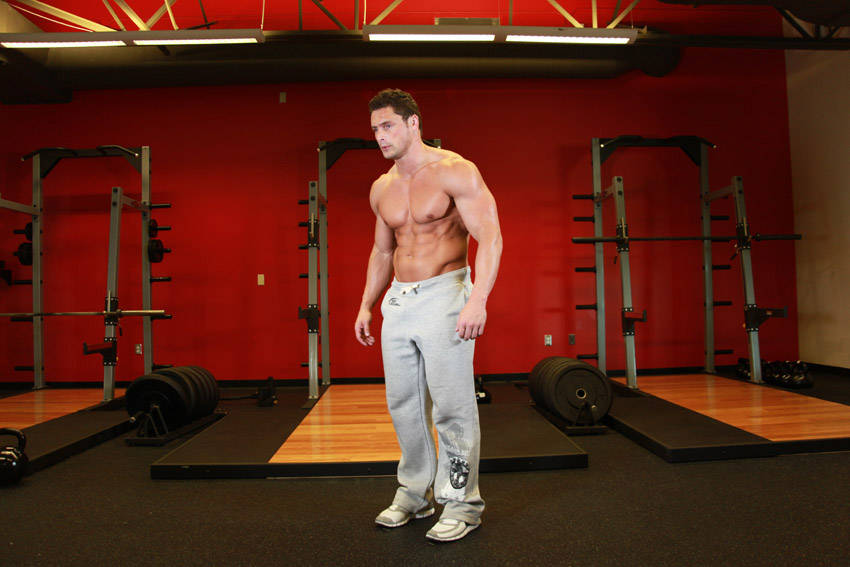
Stomach Vacuum
A beginner isolation mobility exercise that works the abs, needing no equipment.
-
6
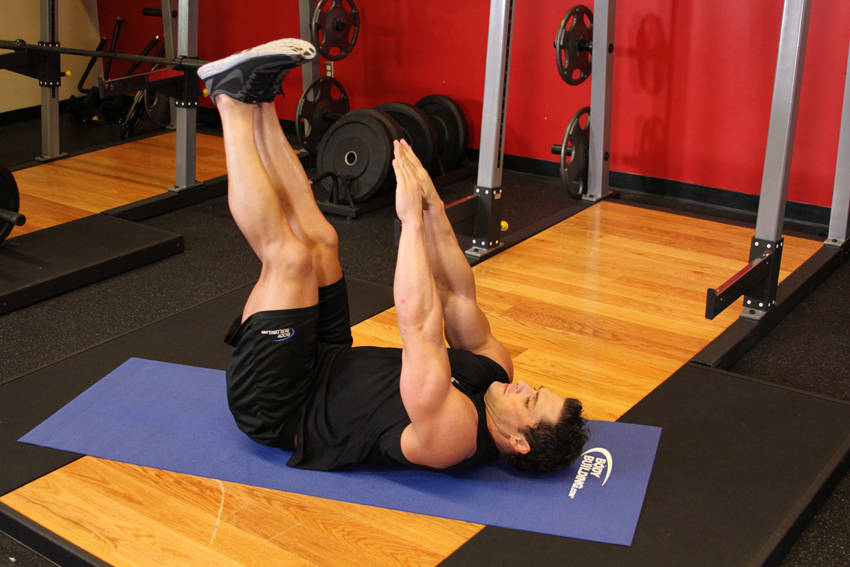
Toe Touchers
A beginner isolation mobility exercise that works the abs, needing no equipment.
-
7
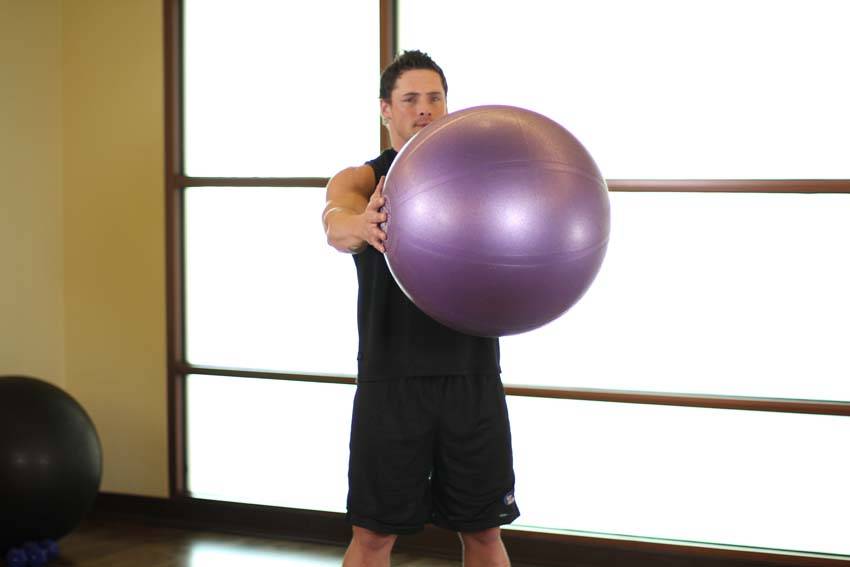
Torso Rotation
A beginner mobility exercise that works the abs, using an exercise ball.
Frequently Asked Questions
What muscles do overhead stretch work?
Overhead Stretch primarily works the abs. The chest, forearms, upper back and triceps assist as secondary muscles.
What equipment do I need for overhead stretch?
The source dataset does not record equipment for overhead stretch. Check the instructions above before you set up.
Overhead Stretch: is it suitable for beginners?
Yes. Overhead Stretch is rated beginner. Movements you can learn in a session, with a low skill floor and a forgiving failure mode.
What can I do instead of overhead stretch?
Seated Overhead Stretch, Standing Lateral Stretch, Lower Back Curl train the same primary muscles and are listed with 4 more alternatives above.
How do I log overhead stretch in Fitnit?
As time held rather than reps. Fitnit records the seconds and credits them to the abs on your body map, so you can see which muscles you train hard and never stretch.
Photographs and step-by-step instructions from free-exercise-db, a public-domain exercise dataset. Muscle mapping and alternatives by Fitnit.
Track Your Overhead Stretch with AI
Fitnit automatically tracks push-ups, crunches, squats, pull-ups, and curls with advanced body tracking technology — and you can manually input any other workout too. Start free — Pro is $8.99/month.