Downward Facing Balance
An intermediate isolation strength exercise that works the glutes, using an exercise ball.
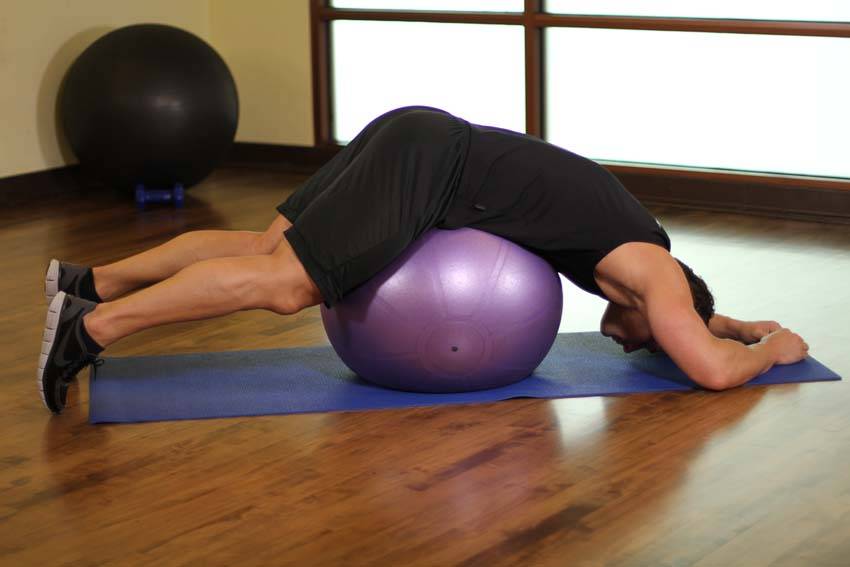 Starting position
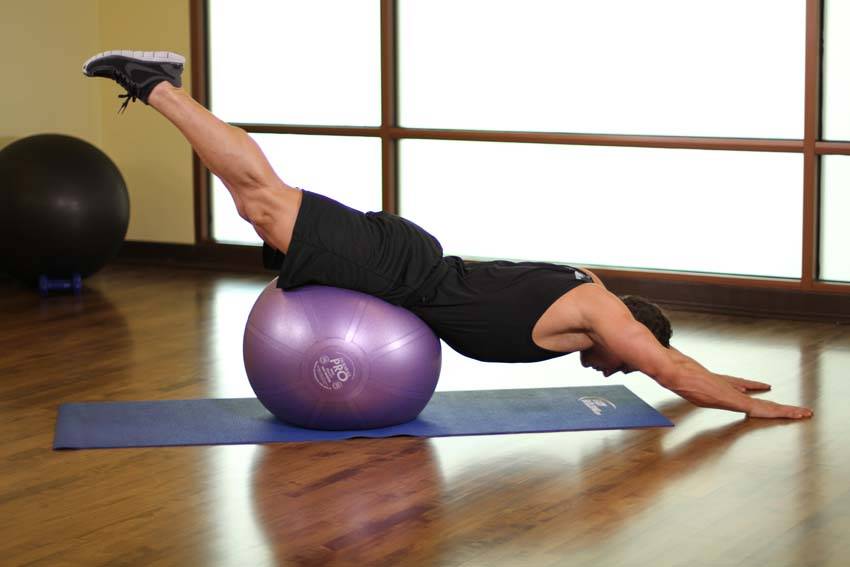 End position
How to Do Downward Facing Balance
- Lie facedown on top of an exercise ball.
- While resting on your stomach on the ball, walk your hands forward along the floor and lift your legs, extending your elbows and knees.
Muscles Worked
Alternatives to Downward Facing Balance
10 movements that train the same primary muscle, closest substitutes first — same kind of training, then variations of the movement itself, then a similar difficulty.
-
1
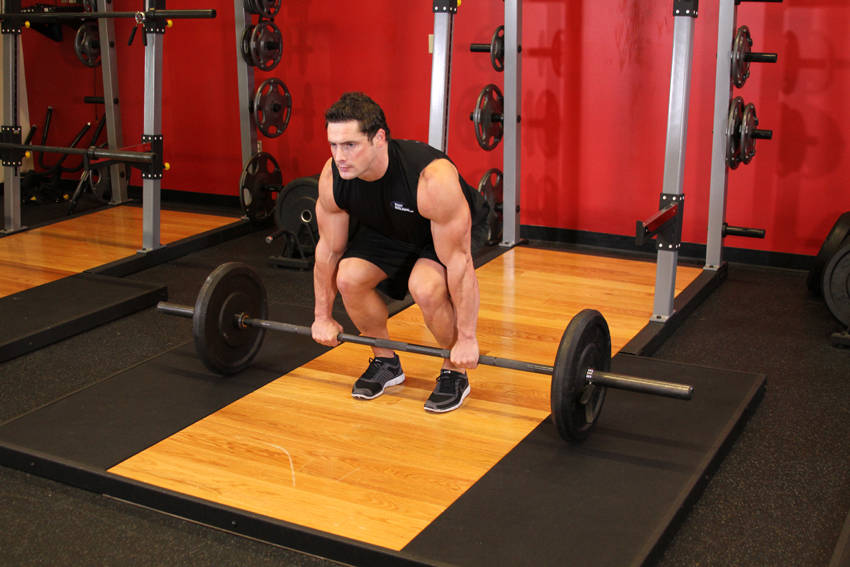
Deadlifts
The deadlift is a fundamental compound exercise that builds strength across the entire posterior chain. It's one of the best movements for developing raw strength, muscle mass, and functional fitness.
-
2
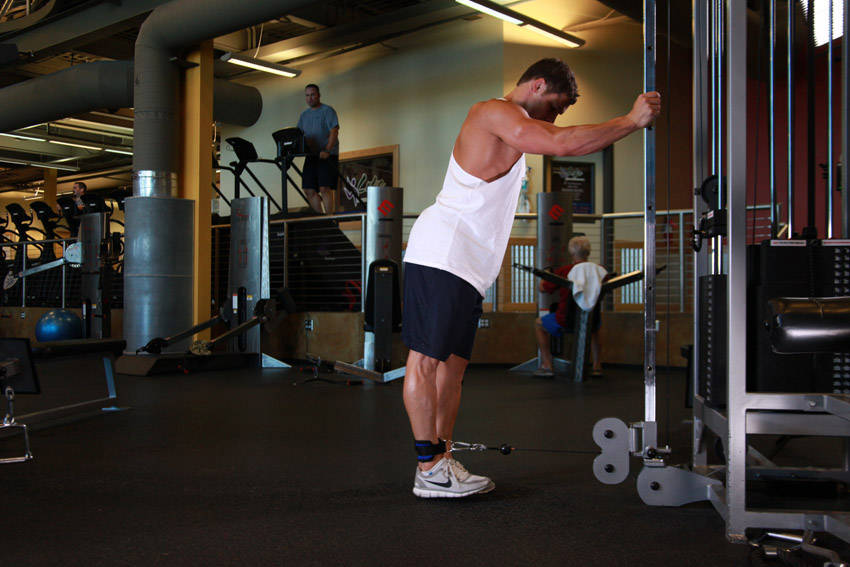
One-Legged Cable Kickback
An intermediate isolation strength exercise that works the glutes, using a cable machine.
-
3
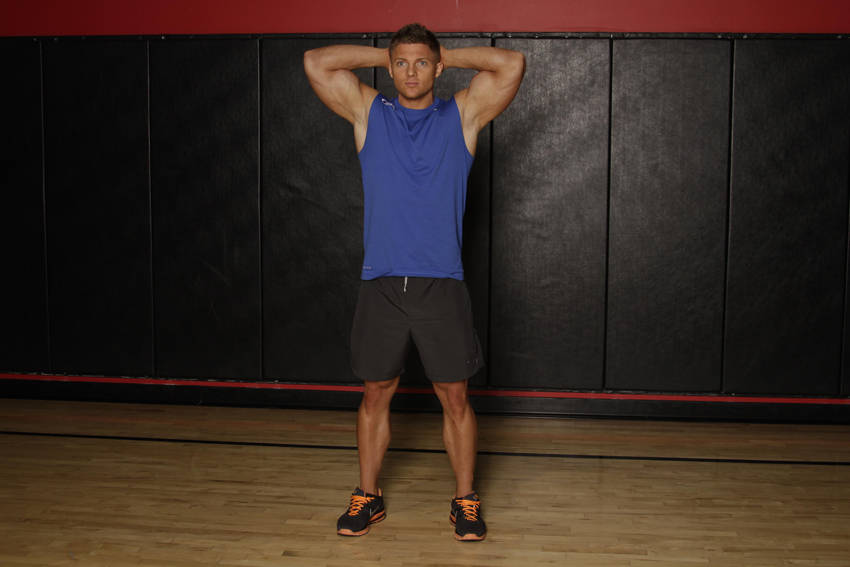
Squats
The squat is the king of lower body exercises, targeting the quadriceps, glutes, and hamstrings while building core stability. It's a fundamental movement pattern that translates directly to everyday activities.
-
4
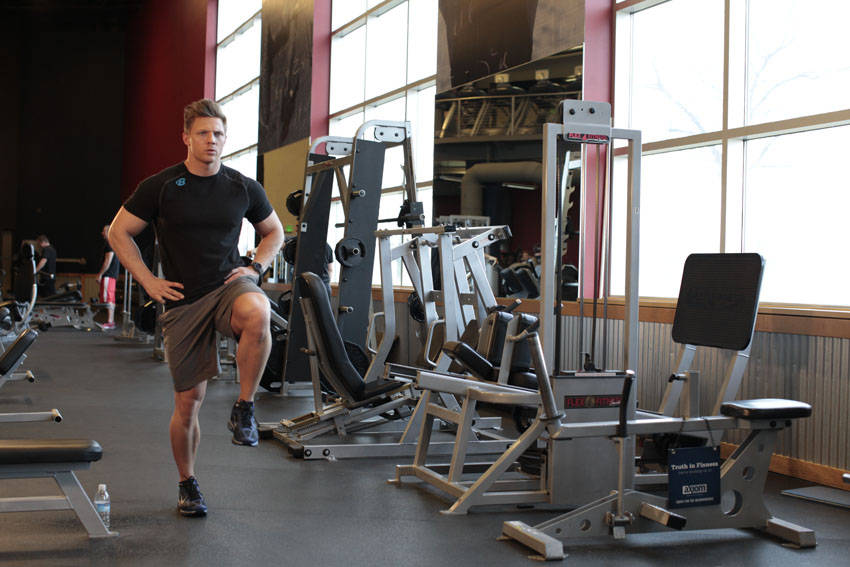
Lunges
Lunges are a versatile unilateral leg exercise that builds strength, balance, and coordination. They closely mimic natural movement patterns and are excellent for addressing muscle imbalances.
-
5
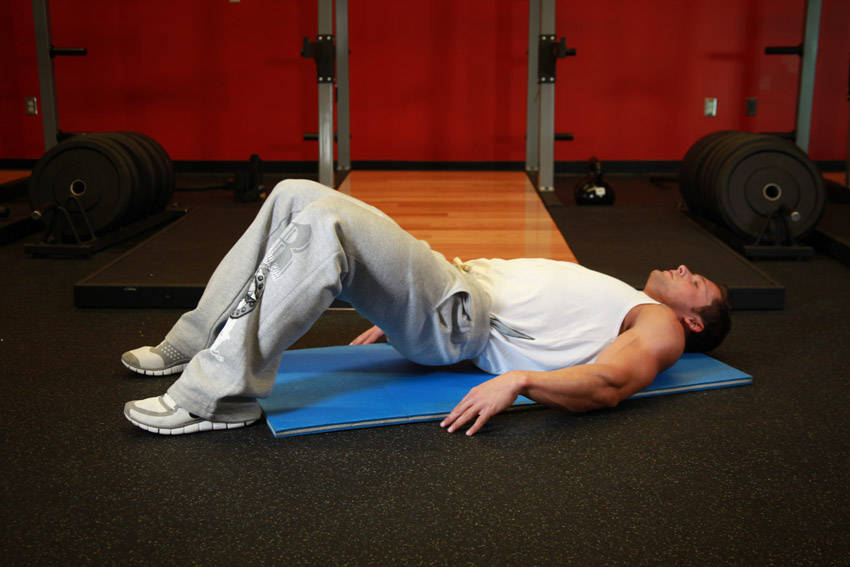
Butt Lift (Bridge)
A beginner isolation strength exercise that works the glutes, needing no equipment.
-
6
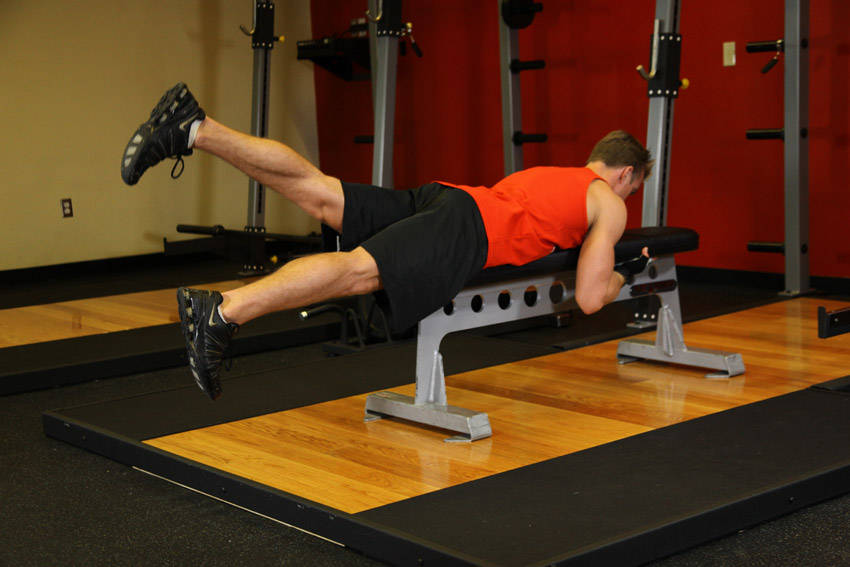
Flutter Kicks
A beginner compound strength exercise that works the glutes, needing no equipment.
-
7
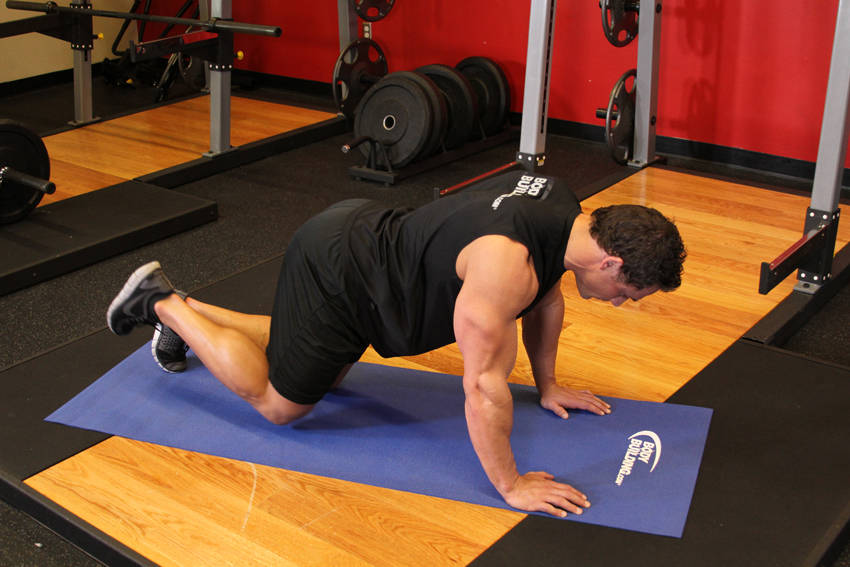
Glute Kickback
A beginner compound strength exercise that works the glutes, needing no equipment.
-
8
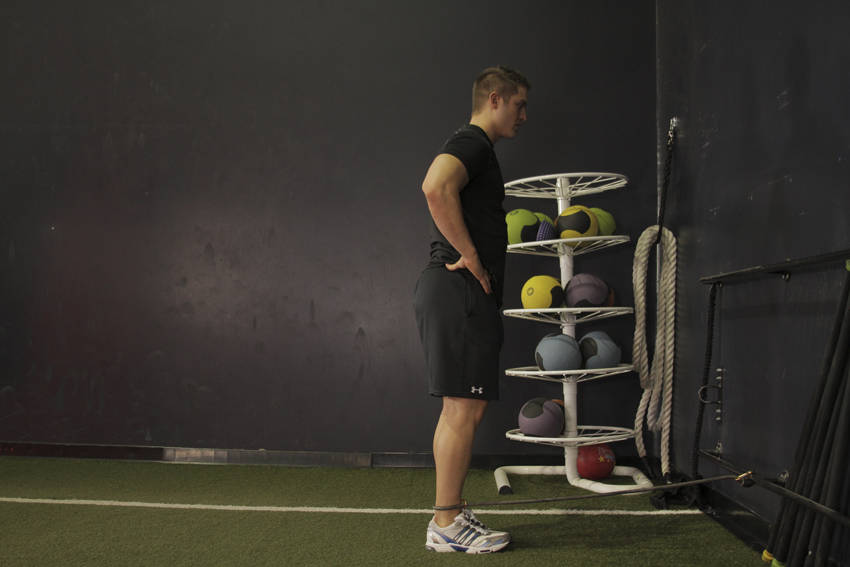
Hip Extension with Bands
A beginner compound strength exercise that works the glutes, using a resistance band.
-
9
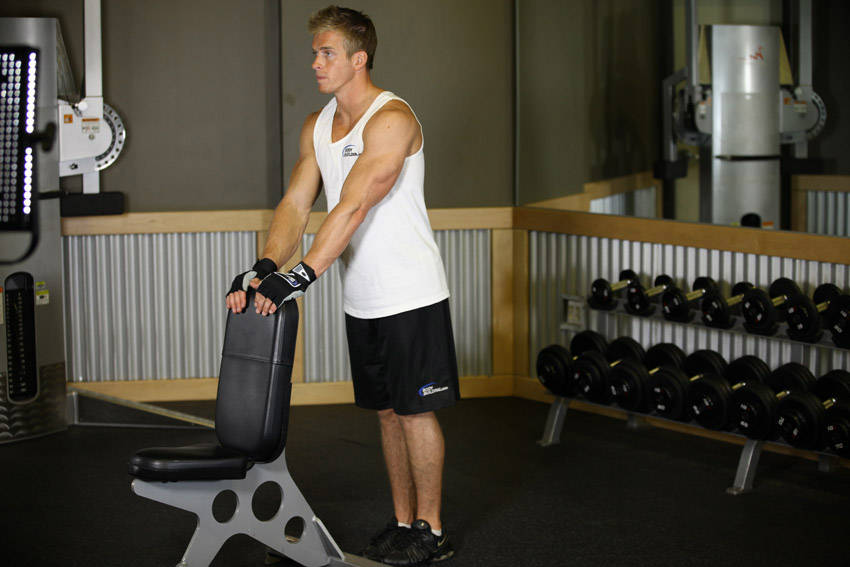
Leg Lift
A beginner isolation strength exercise that works the glutes, needing no equipment.
-
10
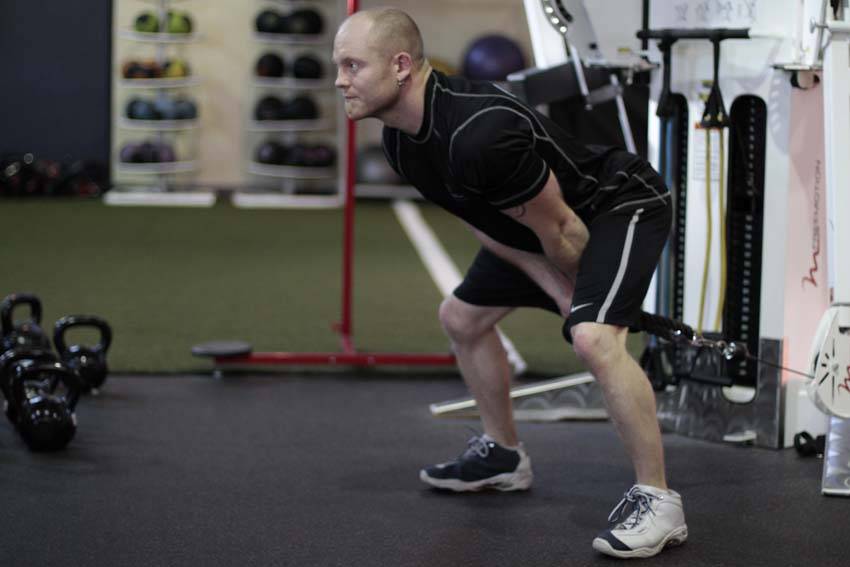
Pull Through
A beginner compound strength exercise that works the glutes, using a cable machine.
Frequently Asked Questions
What muscles do downward facing balance work?
Downward Facing Balance primarily works the glutes. The abs and hamstrings assist as secondary muscles.
What equipment do I need for downward facing balance?
Downward Facing Balance uses exercise ball.
Downward Facing Balance: is it suitable for beginners?
Downward Facing Balance is rated intermediate. Movements that assume you already own the basic pattern and are ready to load it.
What can I do instead of downward facing balance?
Deadlifts, One-Legged Cable Kickback, Squats train the same primary muscles and are listed with 7 more alternatives above.
Can Fitnit count my downward facing balance reps automatically?
Not automatically yet. Fitnit's AI rep counting covers push-ups, squats, dumbbell curls, crunches and pull-ups today; downward facing balance can be logged manually in the app, and tracked movements are added over time.
Photographs and step-by-step instructions from free-exercise-db, a public-domain exercise dataset. Muscle mapping and alternatives by Fitnit.
Track Your Downward Facing Balance with AI
Fitnit automatically tracks push-ups, crunches, squats, pull-ups, and curls with advanced body tracking technology — and you can manually input any other workout too. Start free — Pro is $8.99/month.