Lunges
Lunges are a versatile unilateral leg exercise that builds strength, balance, and coordination. They closely mimic natural movement patterns and are excellent for addressing muscle imbalances.
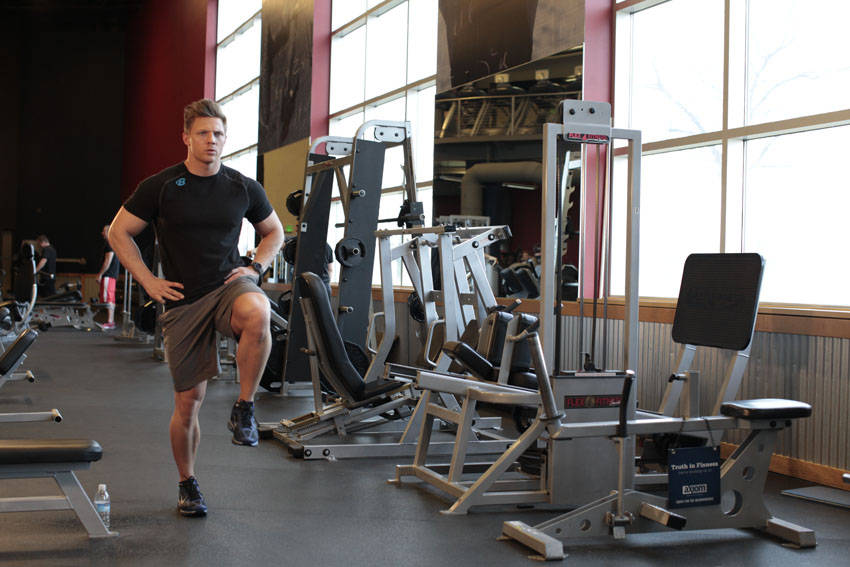 Starting position
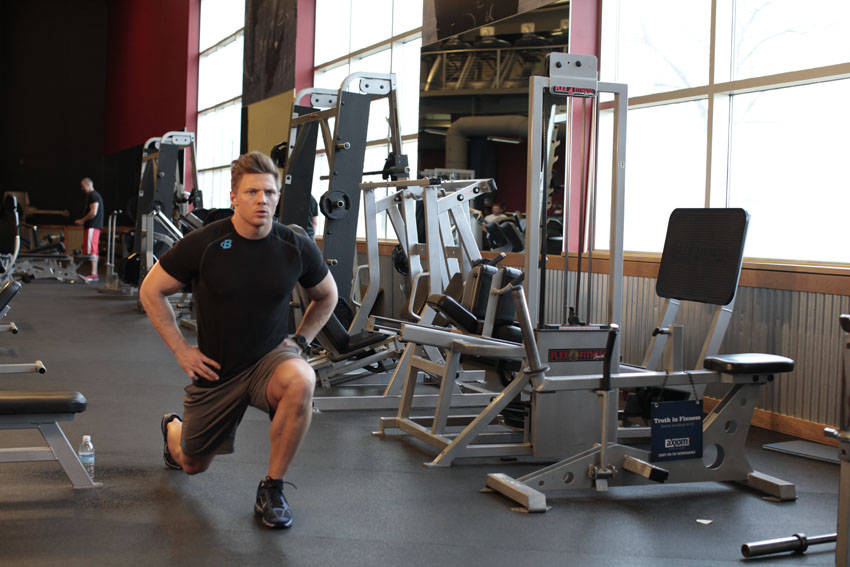 End position
How to Do Lunges
- Stand tall with feet hip-width apart
- Step forward with one leg and lower your hips
- Both knees should form approximately 90-degree angles
- Front knee stays behind or directly over your toes
- Push through the front heel to return to starting position
Form Tips
- Keep your torso upright throughout the movement
- Don't let the front knee extend past your toes
- Back knee should nearly touch the floor
- Step far enough forward to create proper angles
- Engage your core for balance
Common Mistakes to Avoid
- Front knee extending too far past toes
- Leaning forward excessively
- Taking too short of a step
- Letting the back knee slam into the ground
- Poor balance causing wobbling
Muscles Worked
Benefits of Lunges
- Unilateral exercise that corrects imbalances
- Improves balance and coordination
- Functional movement for walking and running
- Great for glute activation
- No equipment required
Variations
Reverse Lunge
beginnerStepping backward instead of forward
Walking Lunge
intermediateContinuous alternating forward lunges
Lateral Lunge
intermediateStepping to the side for inner thigh work
Jump Lunge
advancedExplosive lunge with alternating legs
Curtsy Lunge
intermediateCross behind for glute emphasis
Alternatives to Lunges
10 movements that train the same primary muscles, closest substitutes first — same kind of training, then variations of the movement itself, then a similar difficulty.
-
1
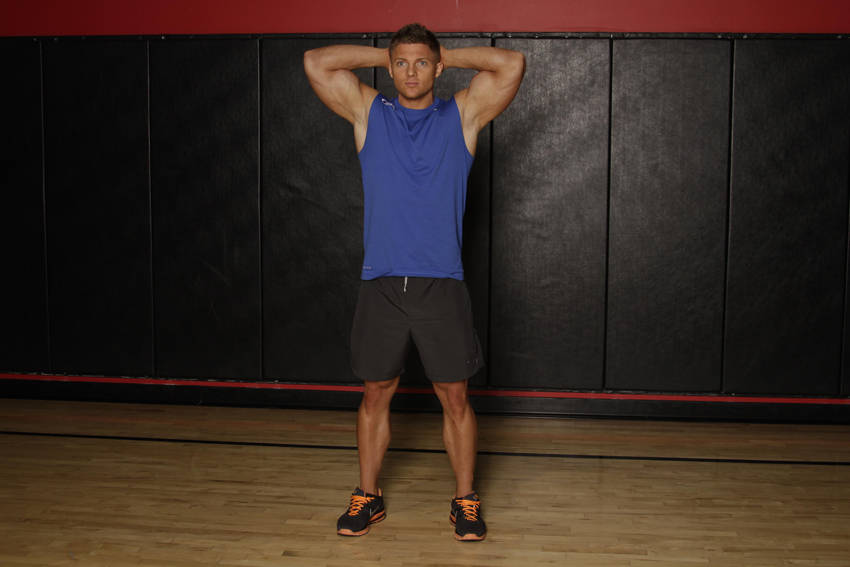
Squats
The squat is the king of lower body exercises, targeting the quadriceps, glutes, and hamstrings while building core stability. It's a fundamental movement pattern that translates directly to everyday activities.
-
2
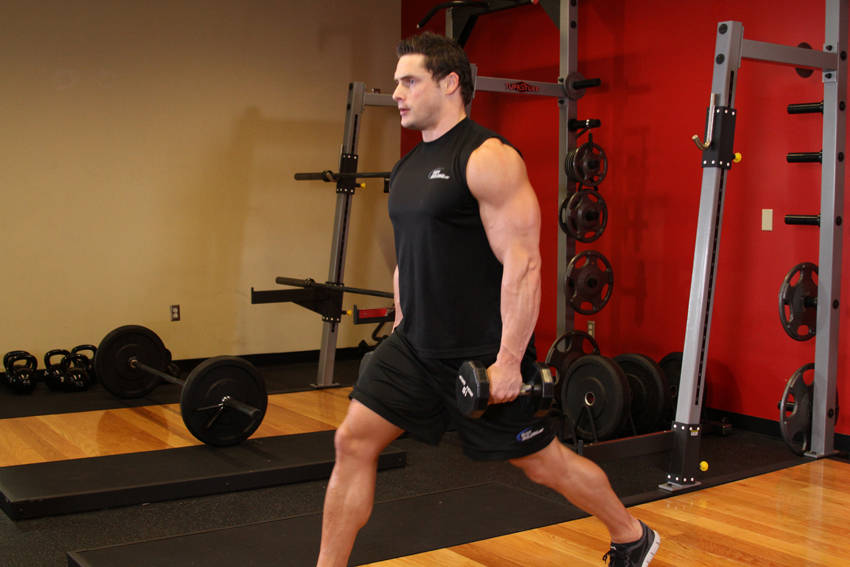
Dumbbell Lunges
A beginner compound strength exercise that works the quads, using dumbbells.
-
3
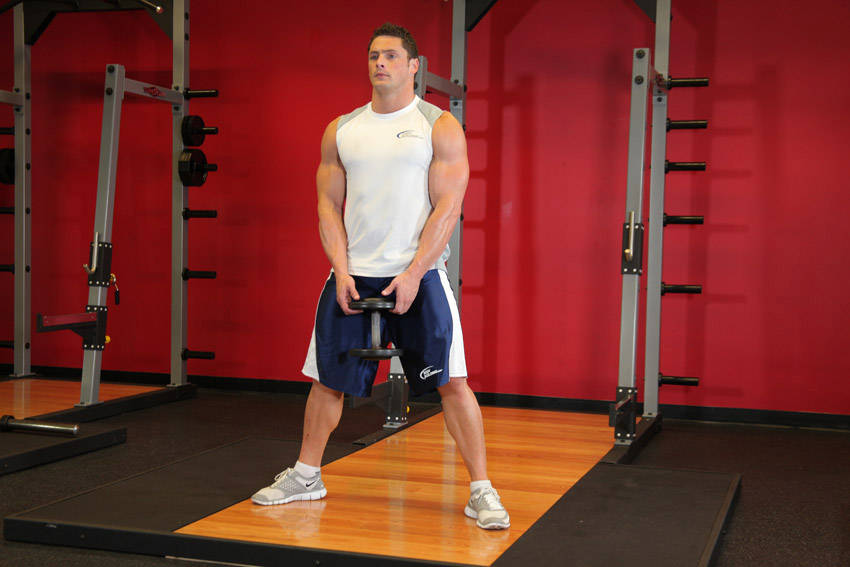
Plie Dumbbell Squat
A beginner compound strength exercise that works the quads, using dumbbells.
-
4
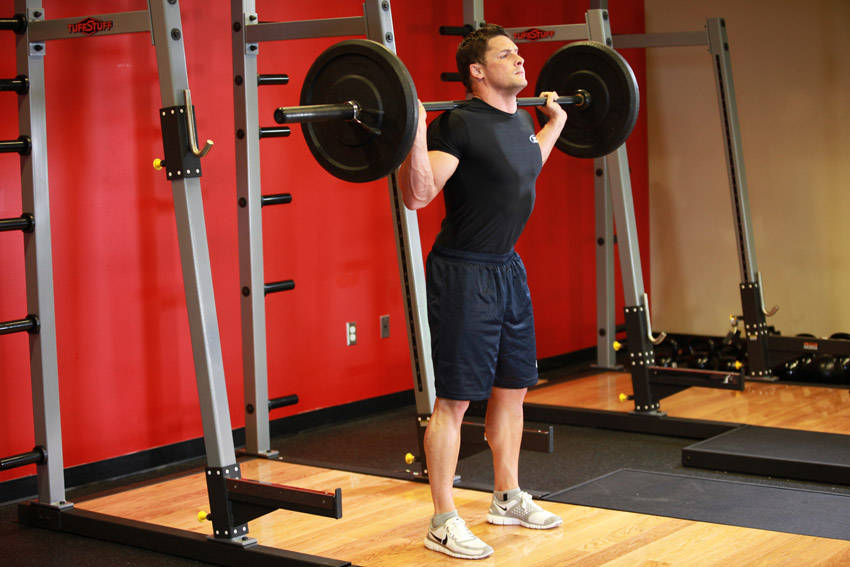
Barbell Squat
A beginner compound strength exercise that works the quads, using a barbell.
-
5
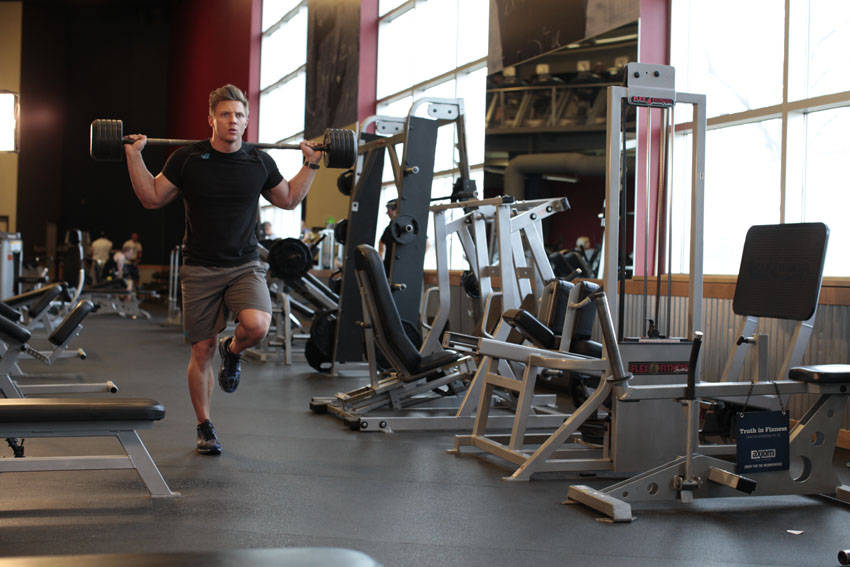
Barbell Walking Lunge
A beginner compound strength exercise that works the quads, using a barbell.
-
6
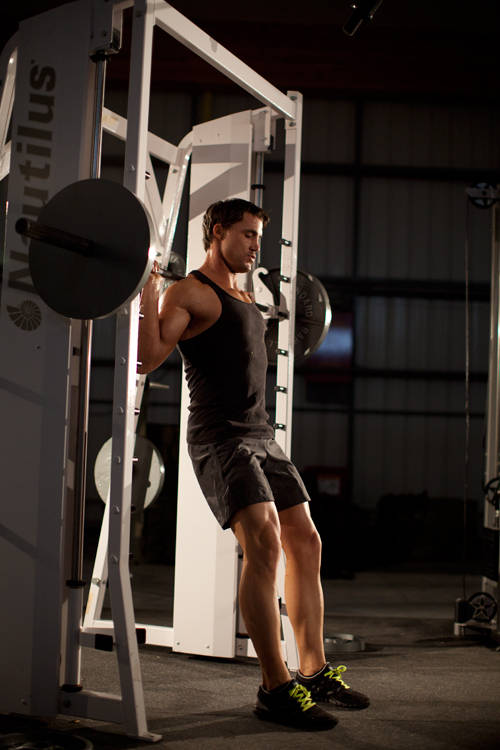
Chair Squat
A beginner compound strength exercise that works the quads, using a machine.
-
7
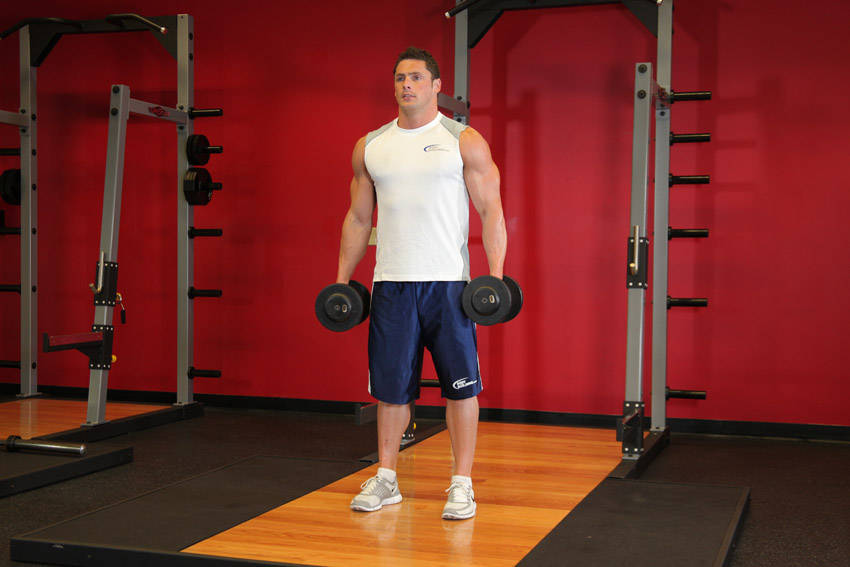
Dumbbell Squat
A beginner compound strength exercise that works the quads, using dumbbells.
-
8
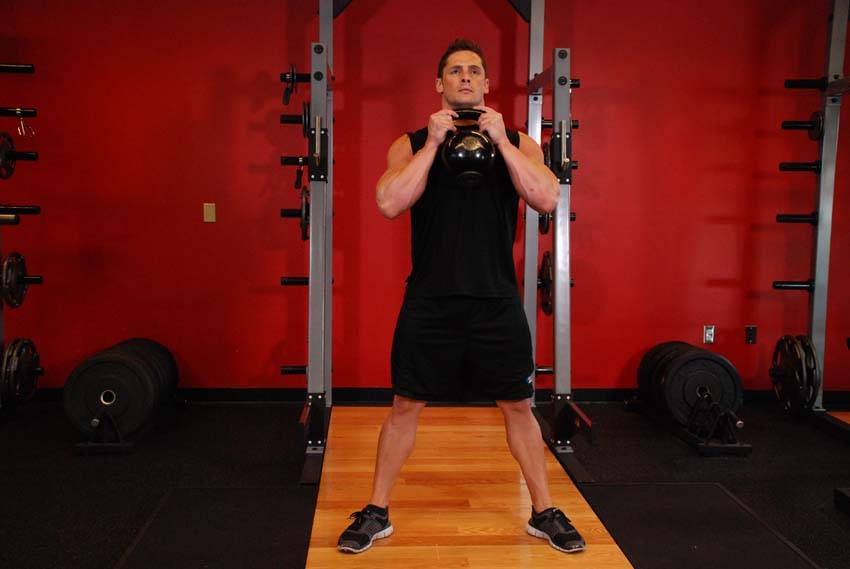
Goblet Squat
A beginner compound strength exercise that works the quads, using a kettlebell.
-
9
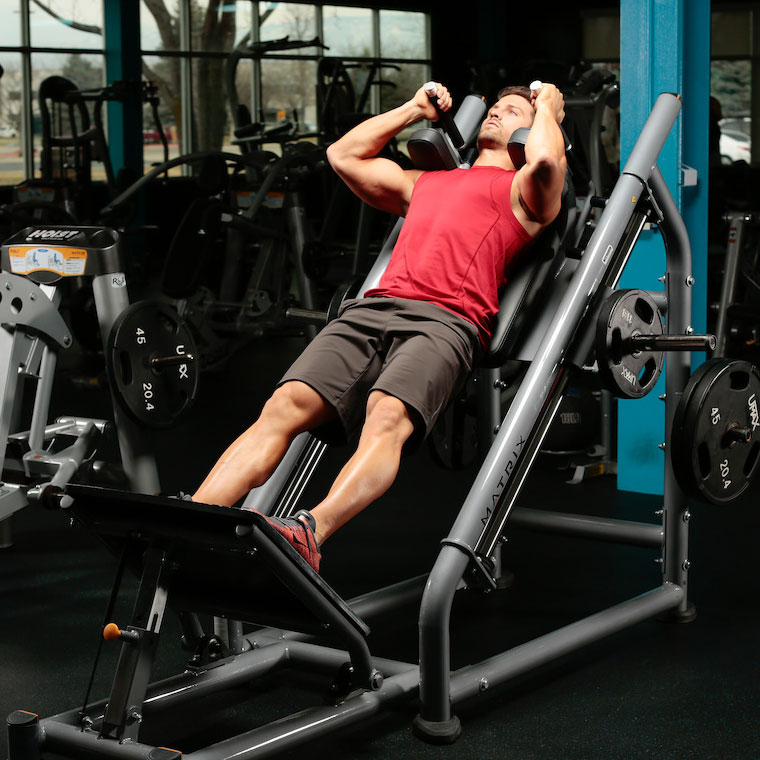
Hack Squat
A beginner compound strength exercise that works the quads, using a machine.
-
10
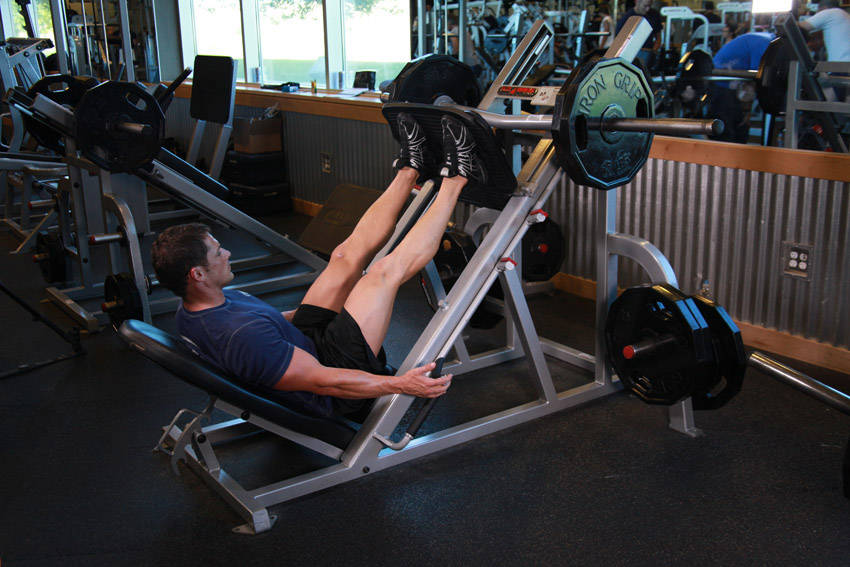
Leg Press
A beginner compound strength exercise that works the quads, using a machine.
Frequently Asked Questions
What muscles do lunges work?
Lunges primarily works the quads and glutes. The hamstrings, calves and abs assist as secondary muscles.
What equipment do I need for lunges?
None. Lunges is a bodyweight movement you can do anywhere you have floor space.
Lunges: is it suitable for beginners?
Yes. Lunges is rated beginner. Movements you can learn in a session, with a low skill floor and a forgiving failure mode.
What can I do instead of lunges?
Squats, Dumbbell Lunges, Plie Dumbbell Squat train the same primary muscles and are listed with 7 more alternatives above.
Can Fitnit count my lunges reps automatically?
Not automatically yet. Fitnit's AI rep counting covers push-ups, squats, dumbbell curls, crunches and pull-ups today; lunges can be logged manually in the app, and tracked movements are added over time.
Written by the Fitnit team. Photographs from free-exercise-db (public domain).
Track Your Lunges with AI
Fitnit automatically tracks push-ups, crunches, squats, pull-ups, and curls with advanced body tracking technology — and you can manually input any other workout too. Start free — Pro is $8.99/month.