Squats
The squat is the king of lower body exercises, targeting the quadriceps, glutes, and hamstrings while building core stability. It's a fundamental movement pattern that translates directly to everyday activities.
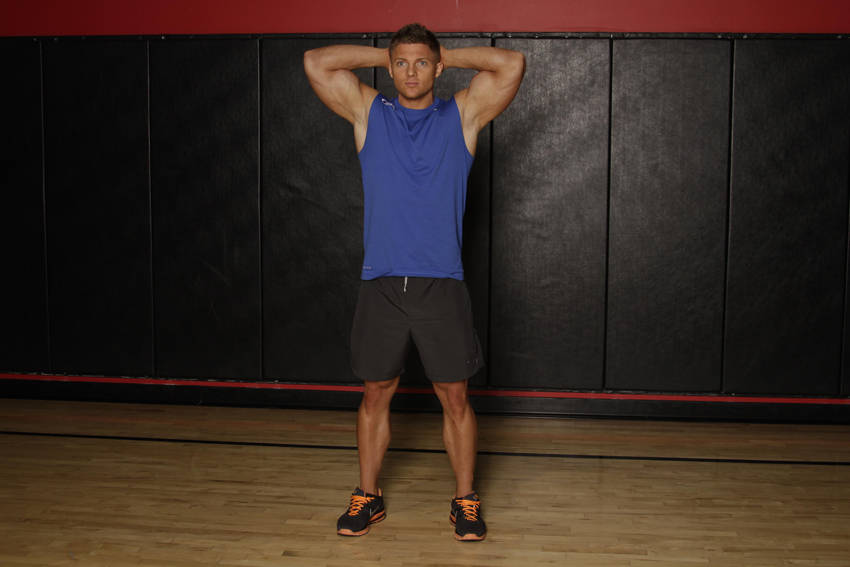 Starting position
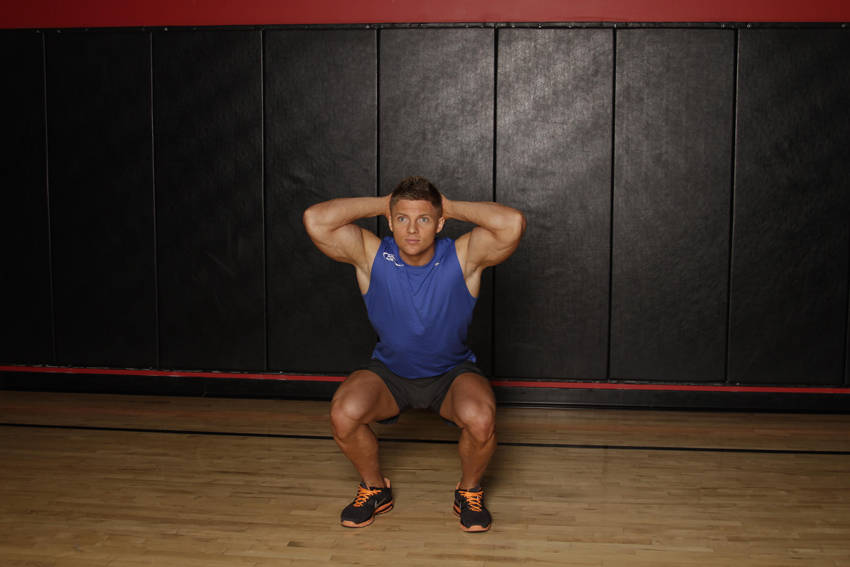 End position
How to Do Squats
- Stand with feet shoulder-width apart, toes slightly pointed outward
- Initiate the movement by pushing your hips back as if sitting in a chair
- Bend your knees and lower until thighs are parallel to the floor or below
- Keep your chest up and weight in your heels
- Drive through your heels to return to standing
Form Tips
- Keep knees tracking over your toes throughout the movement
- Maintain a neutral spine, don't round your lower back
- Push your knees outward, don't let them cave inward
- Keep your weight distributed across your whole foot
- Go as deep as your mobility allows with proper form
Common Mistakes to Avoid
- Knees caving inward during the descent or ascent
- Rising onto toes instead of keeping weight in heels
- Rounding the lower back at the bottom of the squat
- Not going deep enough for full muscle activation
- Leaning too far forward losing balance
Muscles Worked
Benefits of Squats
- Builds lower body strength and muscle mass
- Improves hip and ankle mobility
- Strengthens core and improves posture
- Boosts metabolism through large muscle group activation
- Functional movement pattern used in daily life
Variations
Bodyweight Squat
beginnerStandard squat with no added weight
Goblet Squat
beginnerHolding a dumbbell at chest height
Sumo Squat
beginnerWide stance targeting inner thighs
Jump Squat
intermediateExplosive squat with a jump at the top
Bulgarian Split Squat
intermediateRear foot elevated single-leg squat
Pistol Squat
advancedSingle-leg squat requiring balance and strength
Barbell Back Squat
intermediateLoaded squat with barbell on upper back
Front Squat
advancedBarbell held in front rack position
Alternatives to Squats
10 movements that train the same primary muscles, closest substitutes first — same kind of training, then variations of the movement itself, then a similar difficulty.
-
1
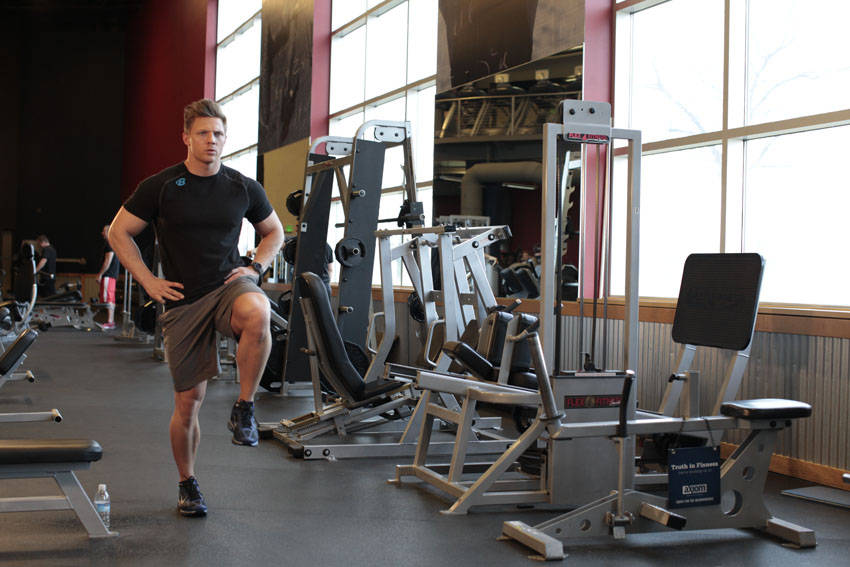
Lunges
Lunges are a versatile unilateral leg exercise that builds strength, balance, and coordination. They closely mimic natural movement patterns and are excellent for addressing muscle imbalances.
-
2
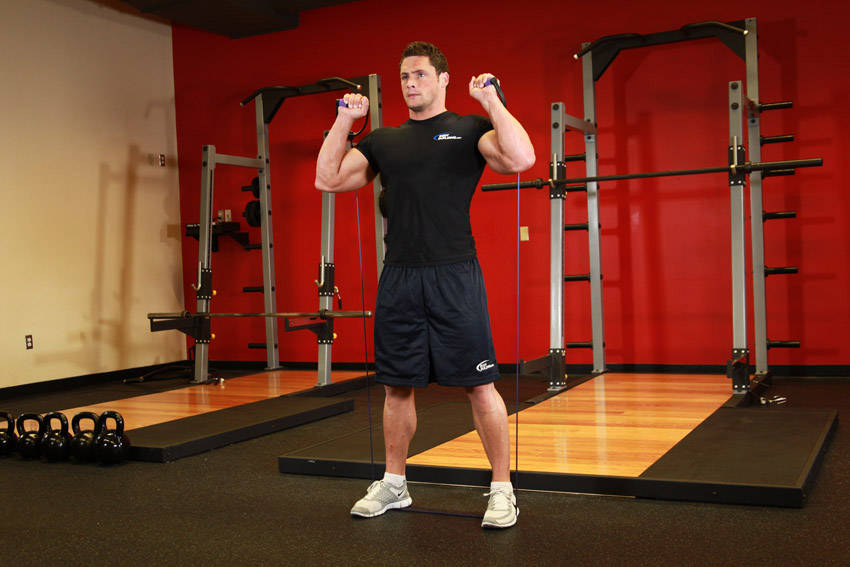
Squats - With Bands
A beginner compound strength exercise that works the quads, using a resistance band.
-
3
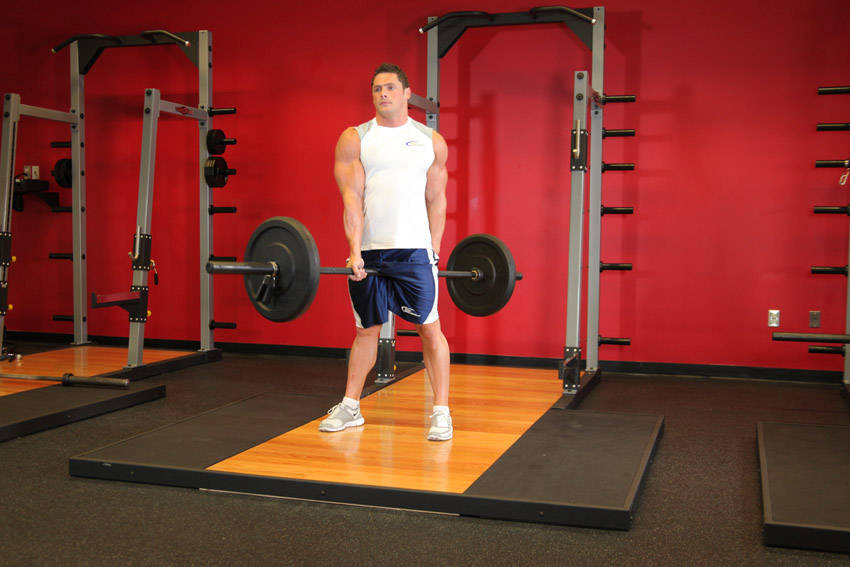
Jefferson Squats
An intermediate compound strength exercise that works the quads, using a barbell.
-
4
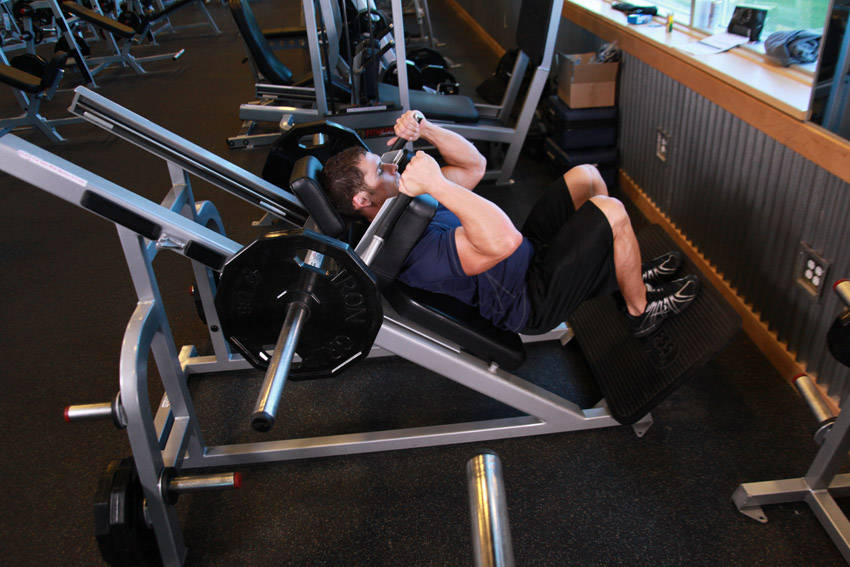
Narrow Stance Hack Squats
An intermediate compound strength exercise that works the quads, using a machine.
-
5
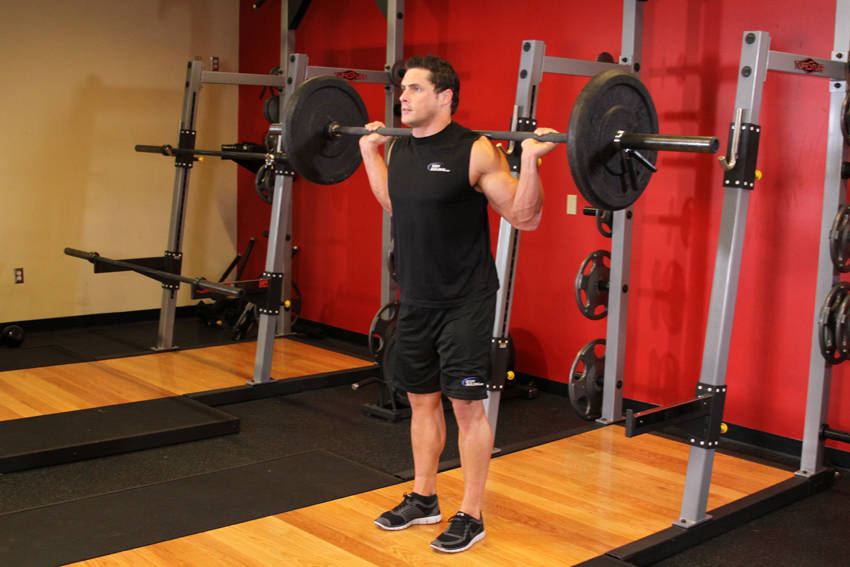
Narrow Stance Squats
An intermediate compound strength exercise that works the quads, using a barbell.
-
6
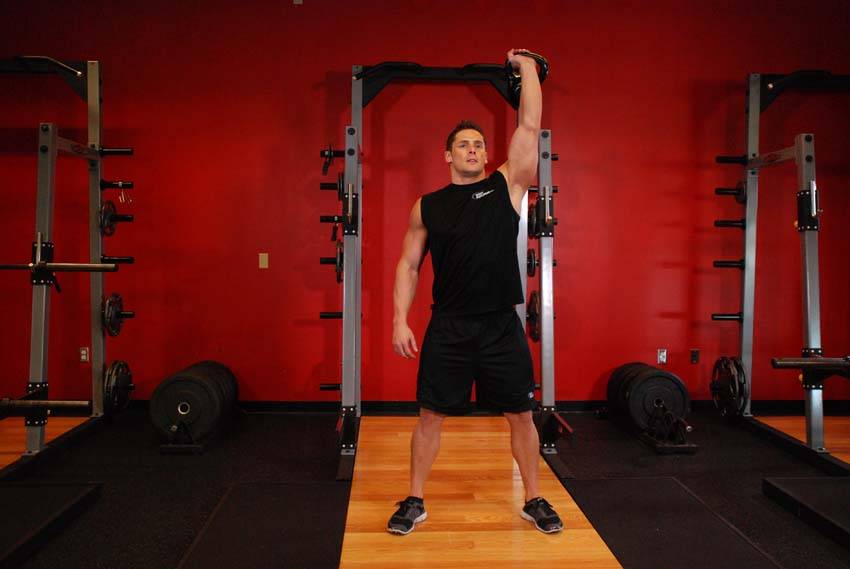
One-Arm Overhead Kettlebell Squats
An advanced compound strength exercise that works the quads, using a kettlebell.
-
7
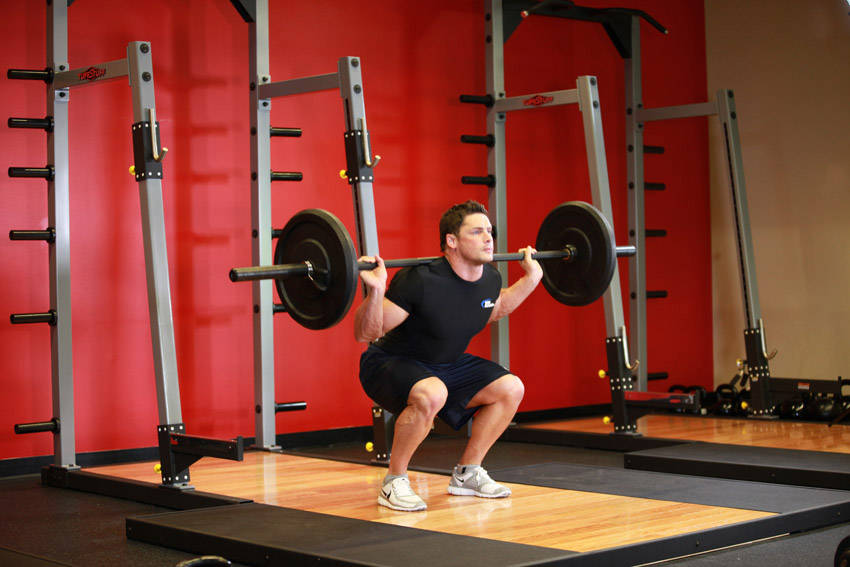
Speed Squats
An advanced compound strength exercise that works the quads, using a barbell.
-
8
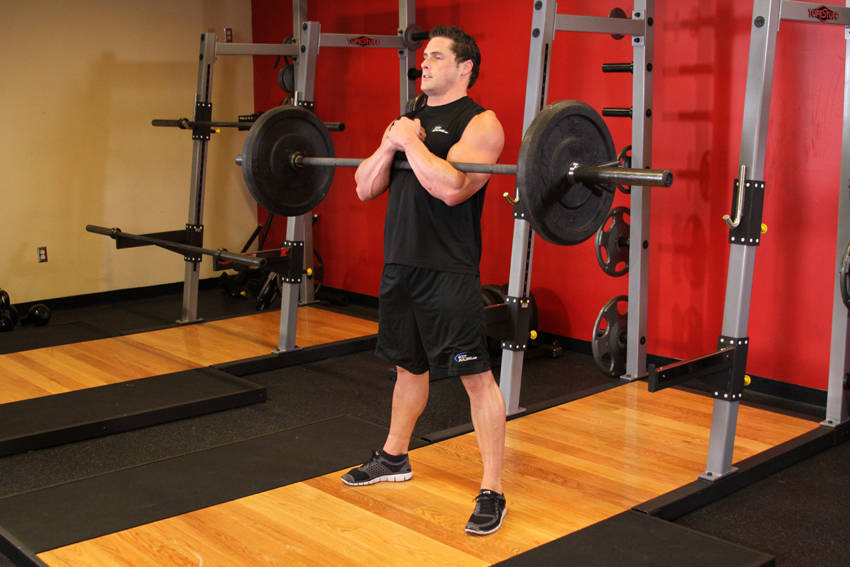
Zercher Squats
An advanced compound strength exercise that works the quads, using a barbell.
-
9
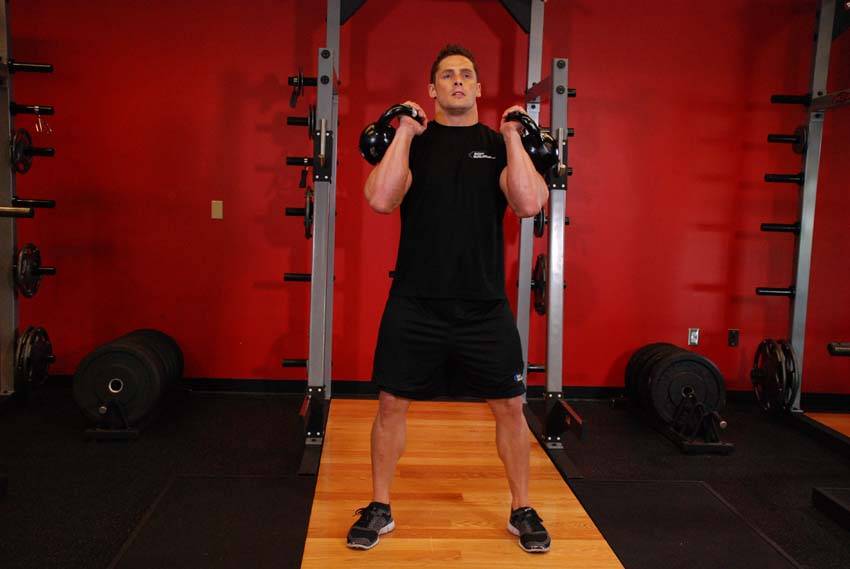
Front Squats With Two Kettlebells
An intermediate compound strength exercise that works the quads, using a kettlebell.
-
10
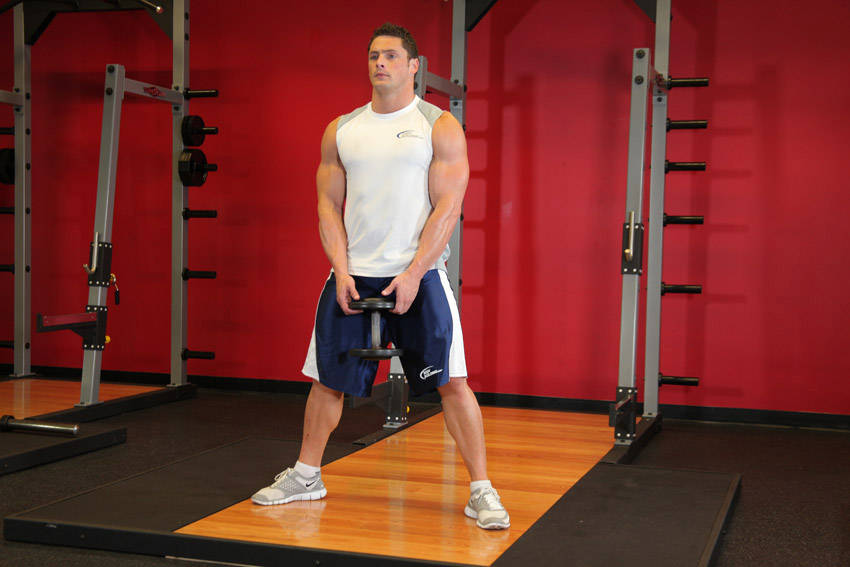
Plie Dumbbell Squat
A beginner compound strength exercise that works the quads, using dumbbells.
Frequently Asked Questions
What muscles do squats work?
Squats primarily works the quads and glutes. The hamstrings, abs and calves assist as secondary muscles.
What equipment do I need for squats?
None. Squats is a bodyweight movement you can do anywhere you have floor space.
Squats: is it suitable for beginners?
Yes. Squats is rated beginner. Movements you can learn in a session, with a low skill floor and a forgiving failure mode.
What can I do instead of squats?
Lunges, Squats - With Bands, Jefferson Squats train the same primary muscles and are listed with 7 more alternatives above.
Can Fitnit count my squats reps automatically?
Yes. Squats is one of the movements Fitnit tracks with on-device pose detection — the phone camera counts reps and scores your form, with no wearable and no manual logging.
Written by the Fitnit team. Photographs from free-exercise-db (public domain).
Track Your Squats with AI
Fitnit uses proprietary body tracking technology to automatically count your squats reps and analyze your form in real time. Get started free — Pro is just $8.99/month.