Mountain Climbers
Mountain climbers are a dynamic plank variation that combines core stability with cardiovascular conditioning. They're versatile enough for warm-ups, HIIT circuits, or standalone cardio.
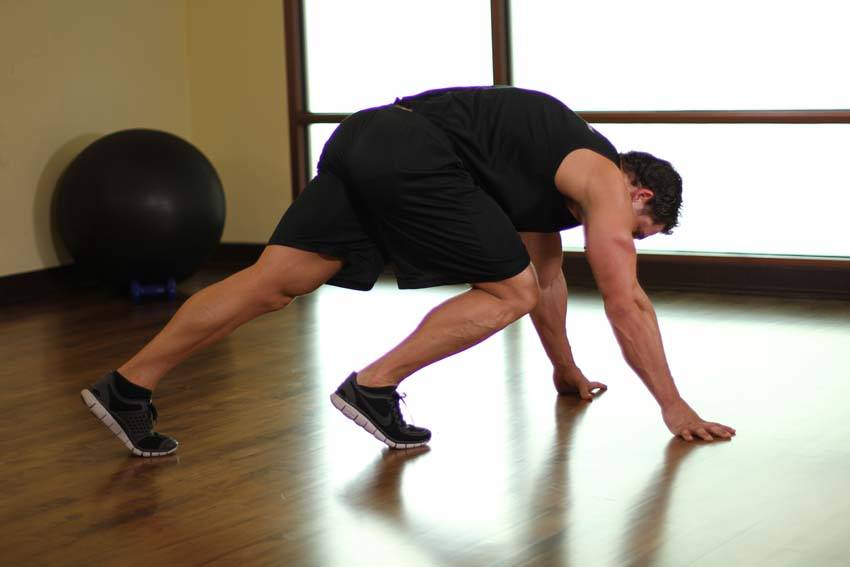 Starting position
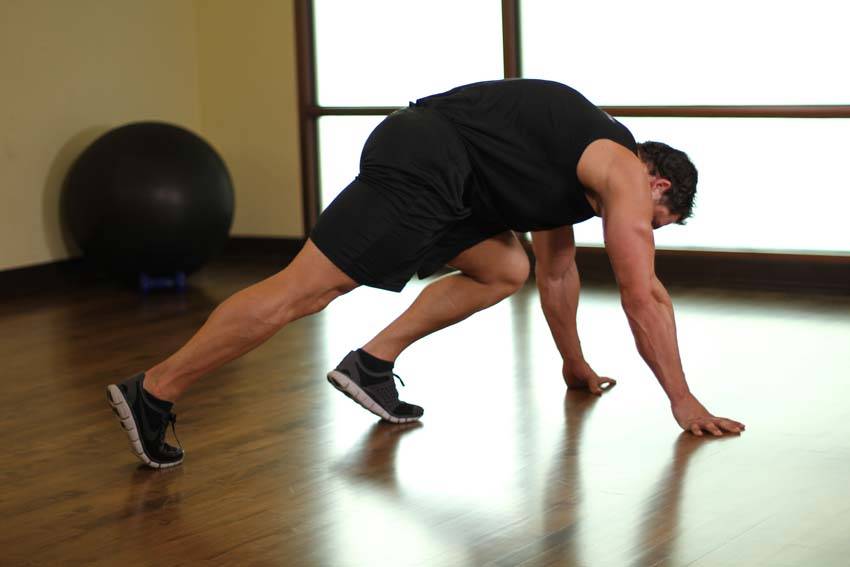 End position
How to Do Mountain Climbers
- Start in a high plank position with hands under shoulders
- Drive one knee toward your chest
- Quickly switch legs, extending the first back while driving the other forward
- Maintain a flat back throughout the movement
- Continue alternating at a steady or quick pace
Form Tips
- Keep your hips level, don't let them bounce up and down
- Hands stay planted firmly under your shoulders
- Engage your core to prevent your back from sagging
- Start slow and gradually increase speed
- Focus on controlled knee drives, not just speed
Common Mistakes to Avoid
- Bouncing the hips up and down
- Not bringing knees far enough toward chest
- Hands creeping forward from under shoulders
- Holding breath during the exercise
- Sacrificing form for speed
Muscles Worked
Benefits of Mountain Climbers
- Excellent cardiovascular conditioning
- Engages core while elevating heart rate
- No equipment required
- Improves hip flexor mobility
- Can be used as active recovery between sets
Variations
Slow Mountain Climbers
beginnerControlled pace focusing on form
Cross-Body Mountain Climbers
intermediateKnee drives toward opposite elbow
Spider-Man Mountain Climbers
intermediateKnee drives toward same-side elbow
Sliding Mountain Climbers
intermediateUsing sliders for reduced friction
Alternatives to Mountain Climbers
10 movements that train the same primary muscles, closest substitutes first — same kind of training, then variations of the movement itself, then a similar difficulty.
-
1
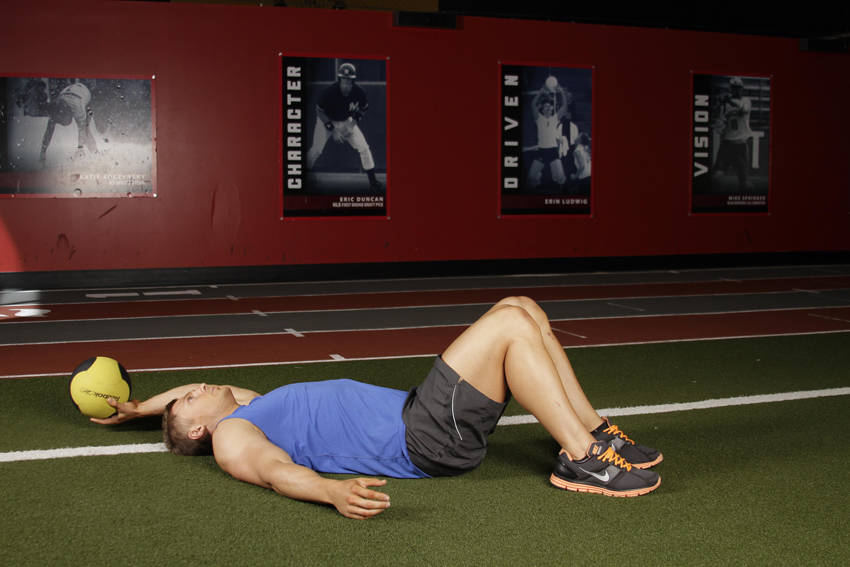
Supine One-Arm Overhead Throw
A beginner compound plyometric exercise that works the abs, using a medicine ball.
-
2
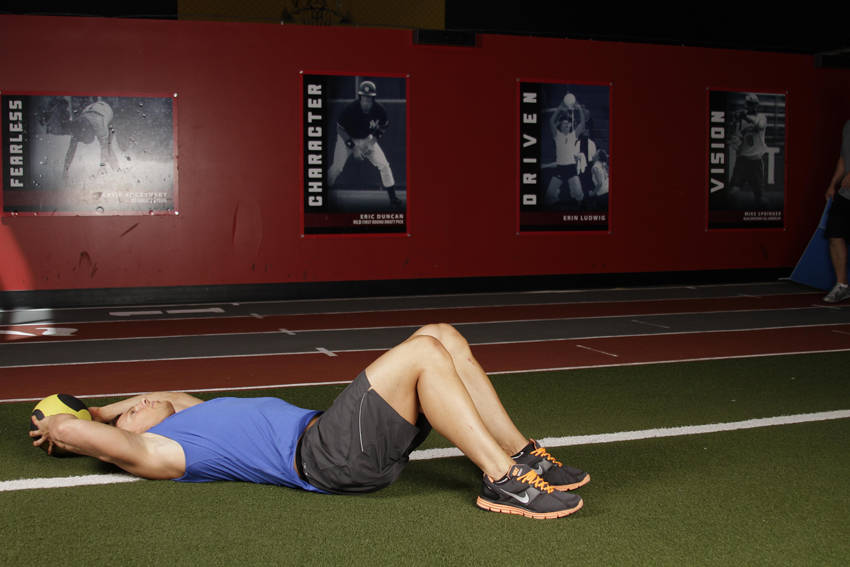
Supine Two-Arm Overhead Throw
A beginner compound plyometric exercise that works the abs, using a medicine ball.
-
3
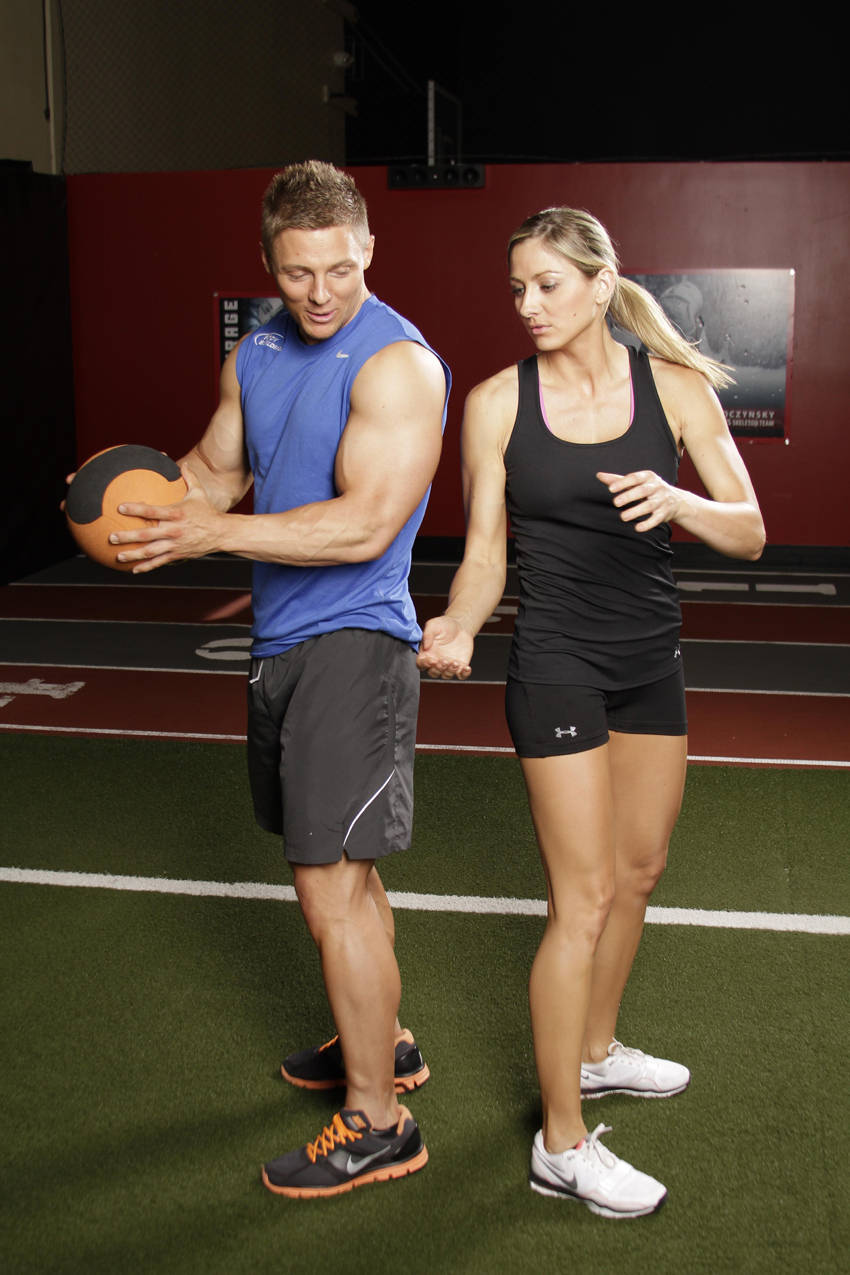
Medicine Ball Full Twist
A beginner compound plyometric exercise that works the abs, using a medicine ball.
-
4
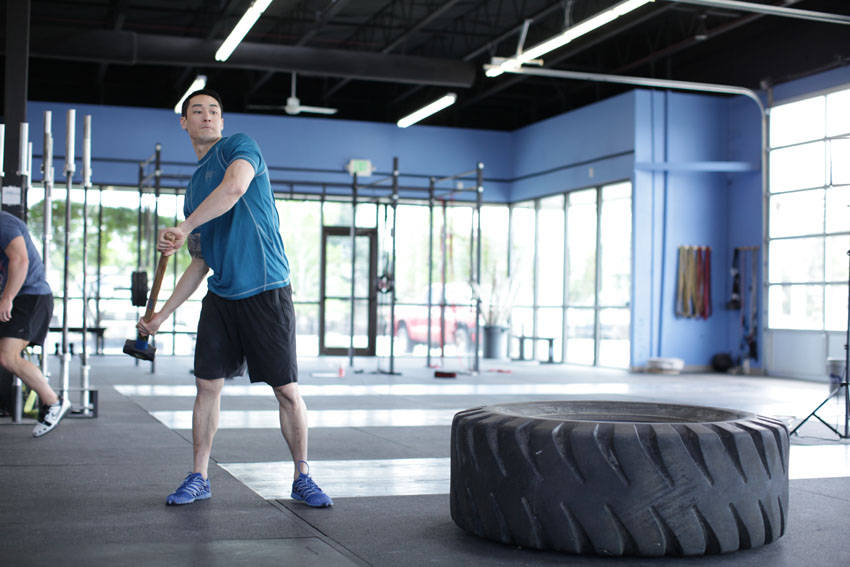
Sledgehammer Swings
A beginner compound plyometric exercise that works the abs.
-
5
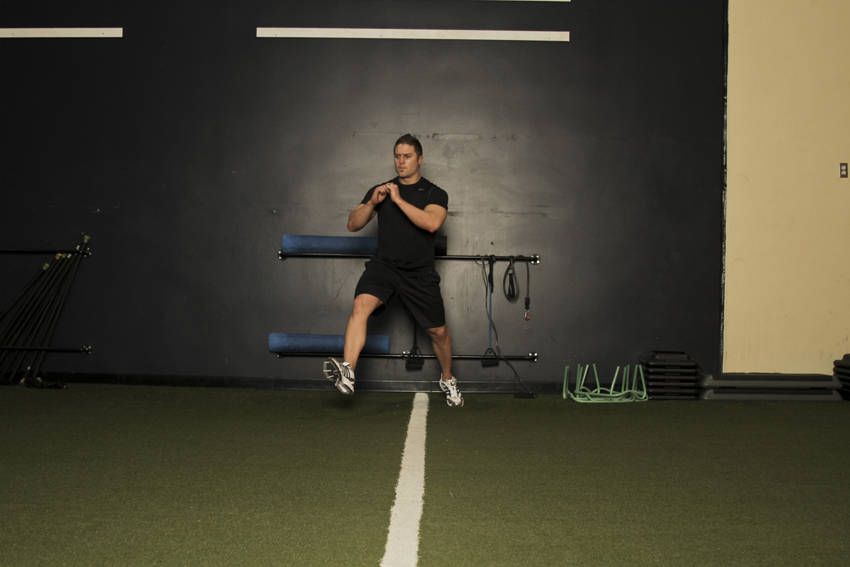
Alternate Leg Diagonal Bound
A beginner compound plyometric exercise that works the quads.
-
6
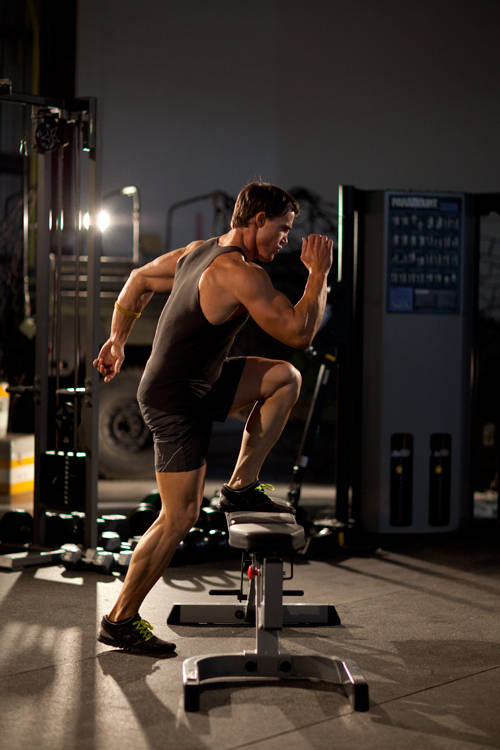
Bench Sprint
A beginner compound plyometric exercise that works the quads.
-
7
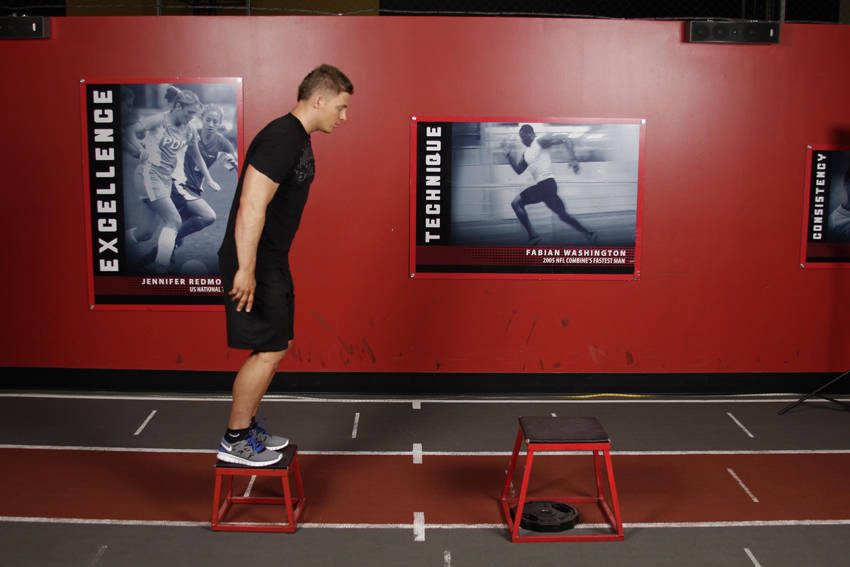
Depth Jump Leap
A beginner compound plyometric exercise that works the quads.
-
8
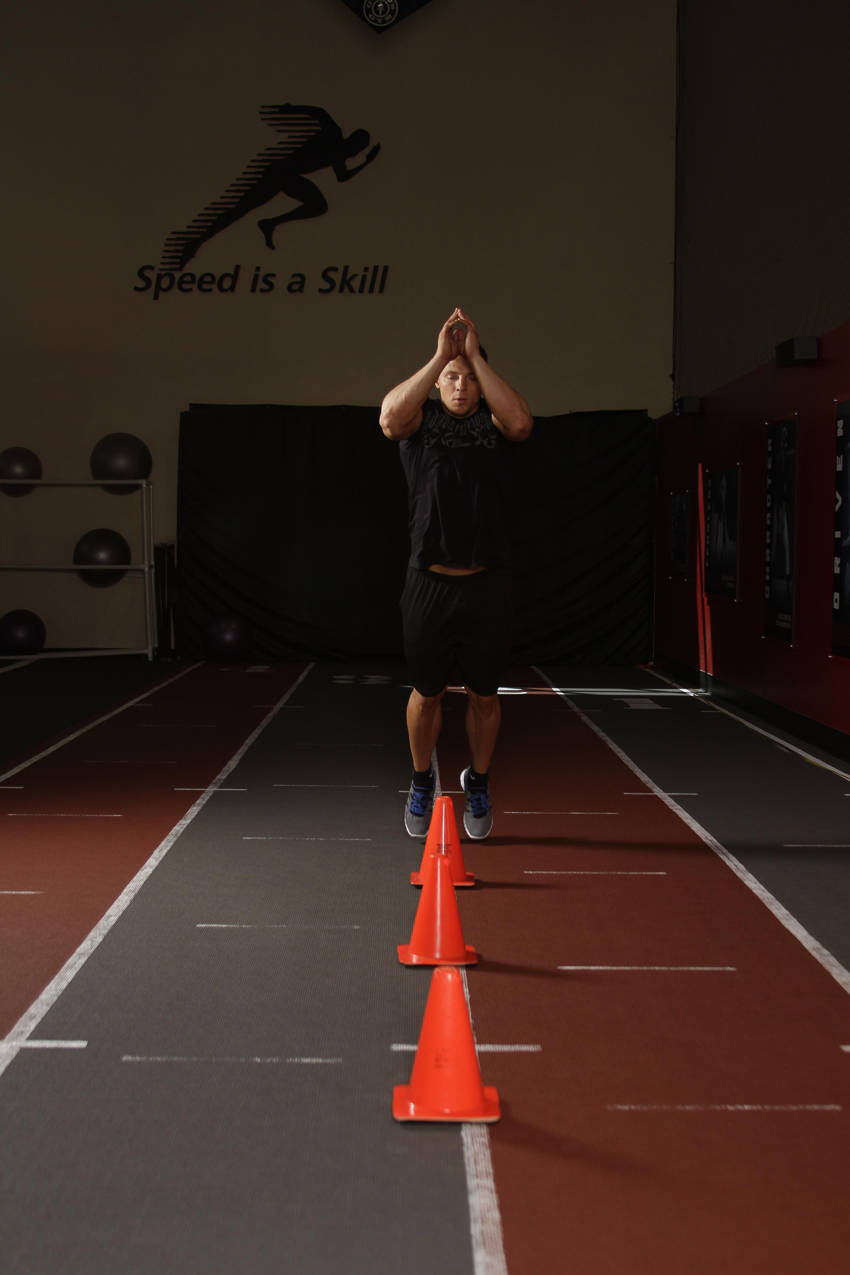
Front Cone Hops (or hurdle hops)
A beginner compound plyometric exercise that works the quads.
-
9
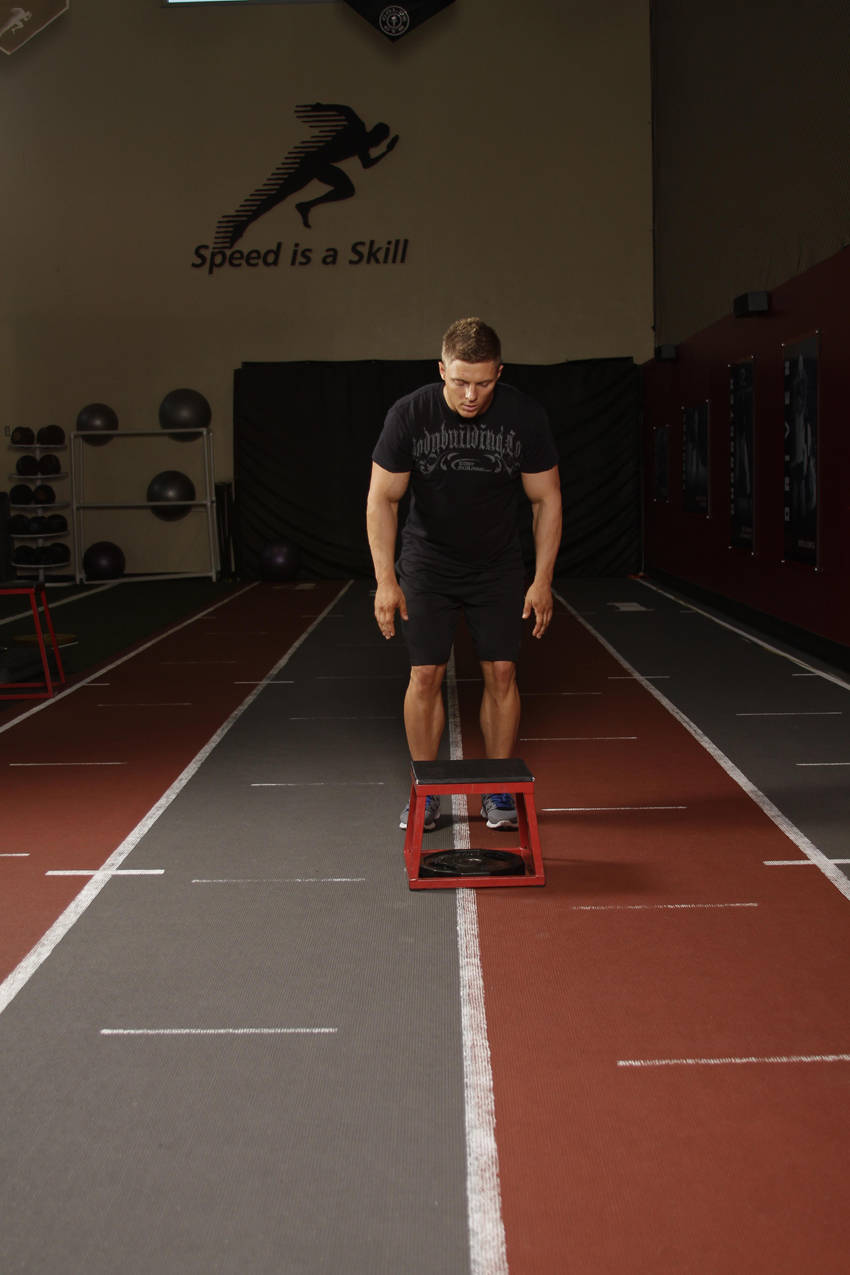
Quick Leap
A beginner compound plyometric exercise that works the quads.
-
10

Side Hop-Sprint
A beginner compound plyometric exercise that works the quads.
Frequently Asked Questions
What muscles do mountain climbers work?
Mountain Climbers primarily works the abs and quads. The shoulders and chest assist as secondary muscles.
What equipment do I need for mountain climbers?
None. Mountain Climbers is a bodyweight movement you can do anywhere you have floor space.
Mountain Climbers: is it suitable for beginners?
Yes. Mountain Climbers is rated beginner. Movements you can learn in a session, with a low skill floor and a forgiving failure mode.
What can I do instead of mountain climbers?
Supine One-Arm Overhead Throw, Supine Two-Arm Overhead Throw, Medicine Ball Full Twist train the same primary muscles and are listed with 7 more alternatives above.
Can Fitnit count my mountain climbers reps automatically?
Not automatically yet. Fitnit's AI rep counting covers push-ups, squats, dumbbell curls, crunches and pull-ups today; mountain climbers can be logged manually in the app, and tracked movements are added over time.
Written by the Fitnit team. Photographs from free-exercise-db (public domain).
Track Your Mountain Climbers with AI
Fitnit automatically tracks push-ups, crunches, squats, pull-ups, and curls with advanced body tracking technology — and you can manually input any other workout too. Start free — Pro is $8.99/month.