Scissors Jump
A beginner compound plyometric exercise that works the quads, needing no equipment.
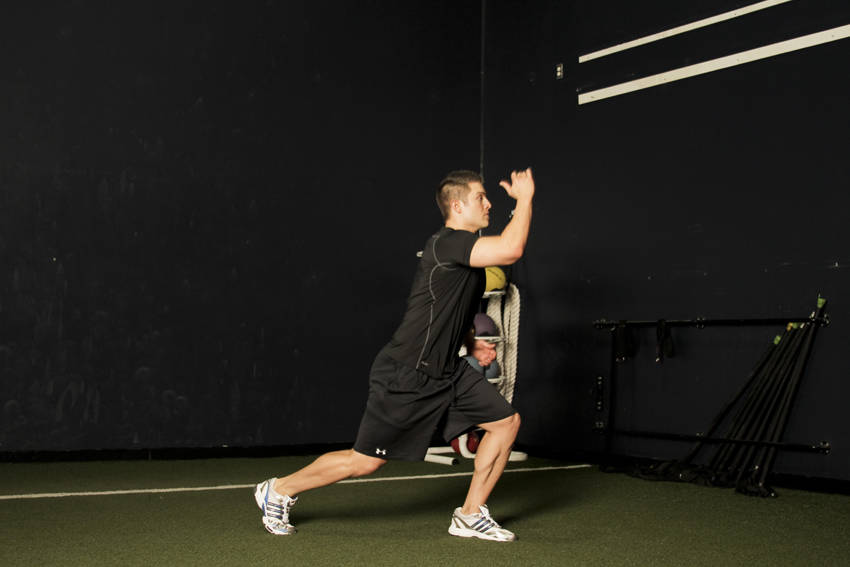 Starting position
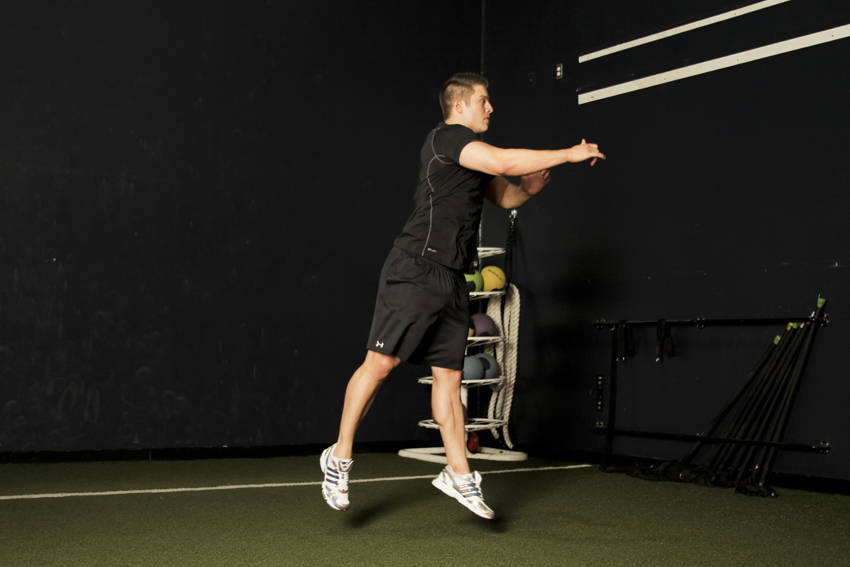 End position
How to Do Scissors Jump
- Assume a lunge stance position with one foot forward with the knee bent, and the rear knee nearly touching the ground.
- Ensure that the front knee is over the midline of the foot. Extending through both legs, jump as high as possible, swinging your arms to gain lift.
- As you jump as high as you can, switch the position of your legs, moving your front leg to the back and the rear leg to the front.
- As you land, absorb the impact through the legs by adopting the lunge position, and repeat.
Muscles Worked
Alternatives to Scissors Jump
10 movements that train the same primary muscle, closest substitutes first — same kind of training, then variations of the movement itself, then a similar difficulty.
-
1
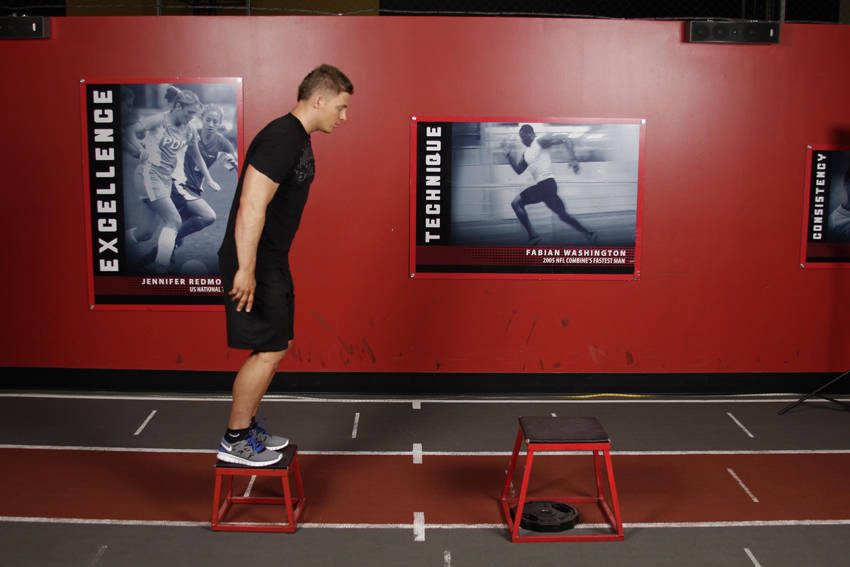
Depth Jump Leap
A beginner compound plyometric exercise that works the quads.
-
2
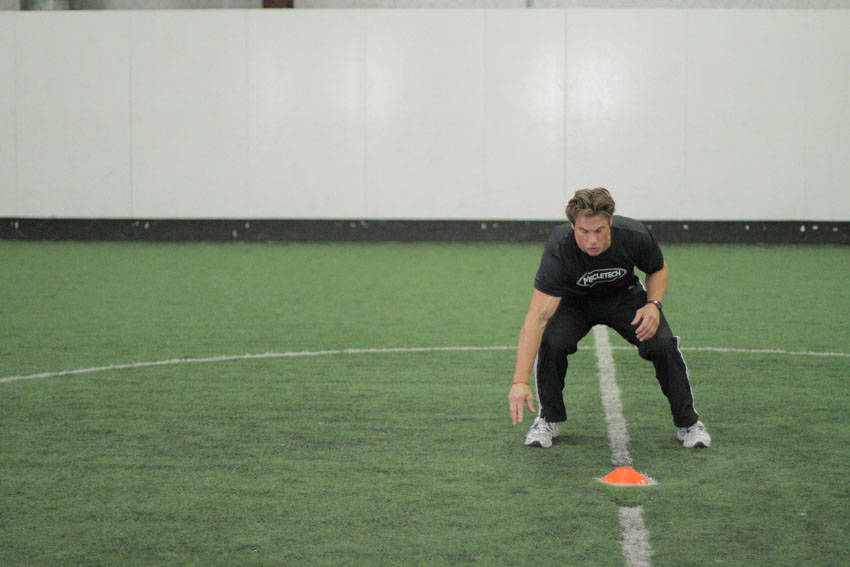
Side Standing Long Jump
A beginner compound plyometric exercise that works the quads.
-
3

Single-Leg Stride Jump
A beginner compound plyometric exercise that works the quads.
-
4
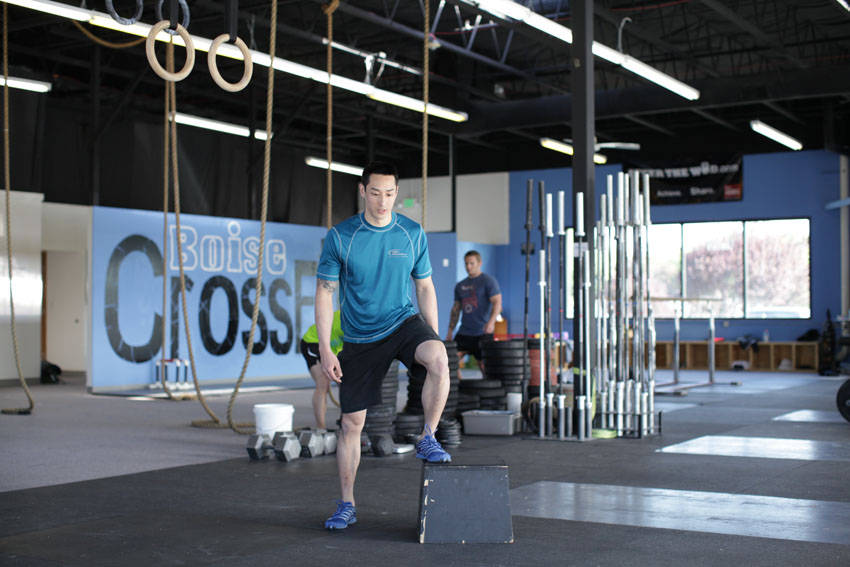
Stride Jump Crossover
A beginner compound plyometric exercise that works the quads.
-
5
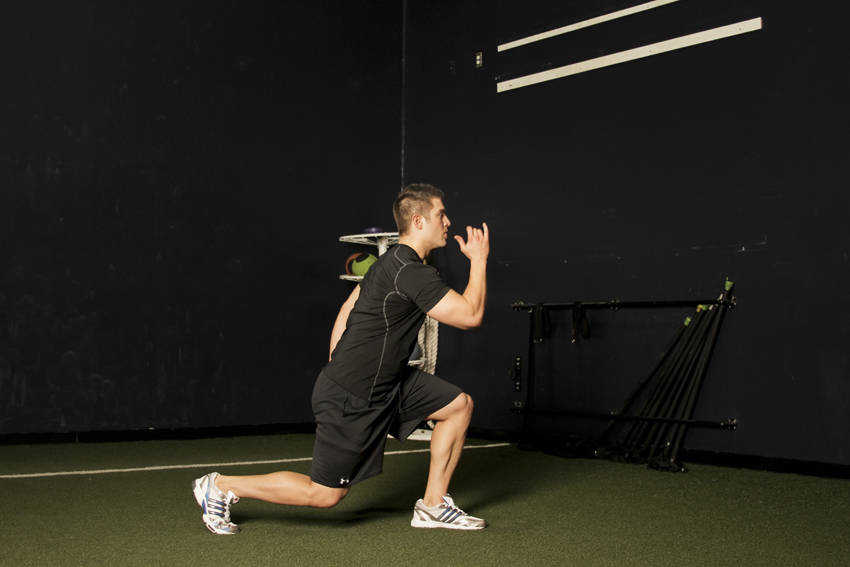
Split Jump
A beginner compound plyometric exercise that works the quads, needing no equipment.
-
6
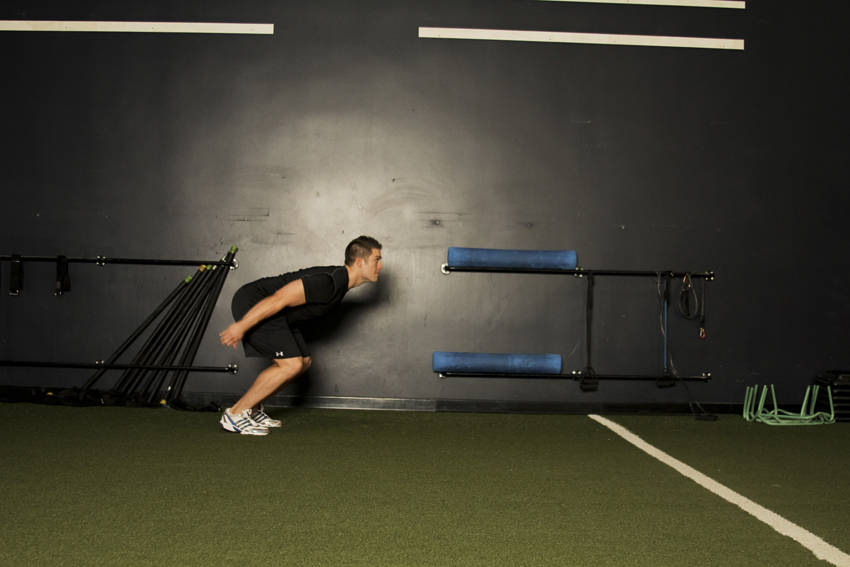
Standing Long Jump
A beginner compound plyometric exercise that works the quads, needing no equipment.
-
7
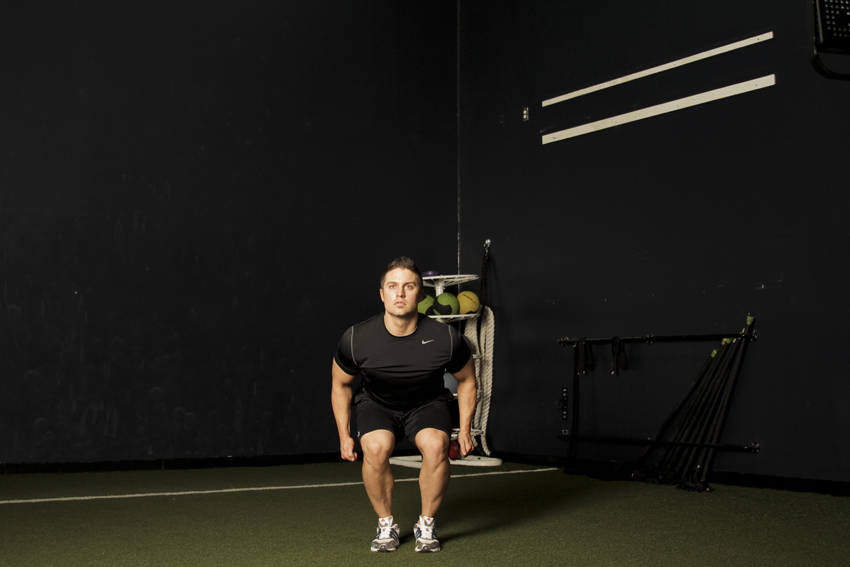
Star Jump
A beginner compound plyometric exercise that works the quads, needing no equipment.
-
8
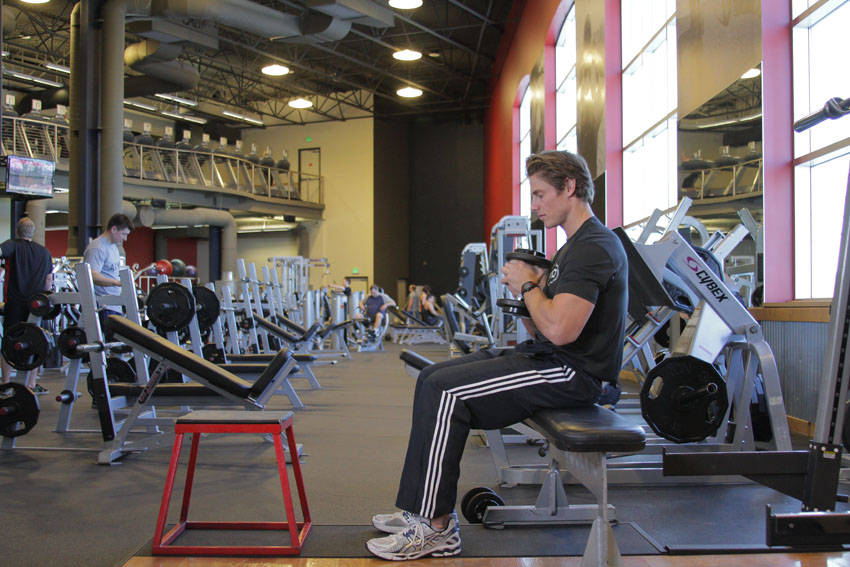
Dumbbell Seated Box Jump
An intermediate compound plyometric exercise that works the quads, using dumbbells.
-
9
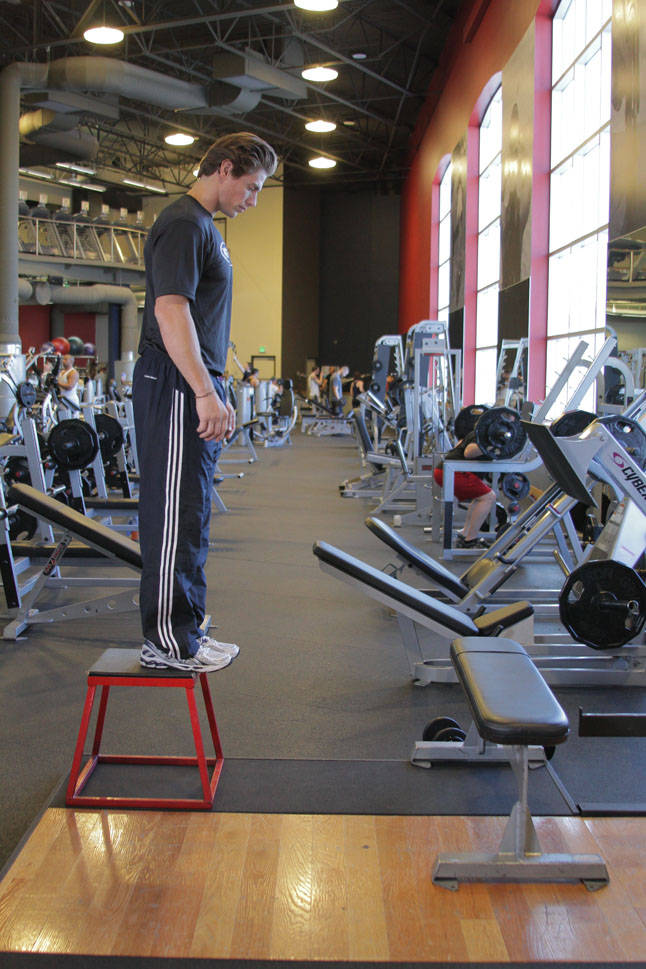
Linear Depth Jump
An intermediate compound plyometric exercise that works the quads.
-
10
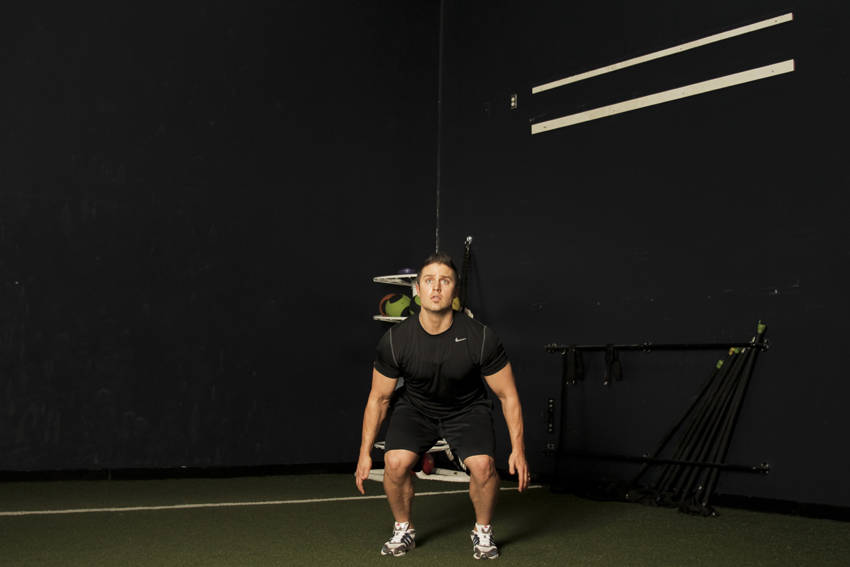
Rocket Jump
A beginner compound plyometric exercise that works the quads, needing no equipment.
Frequently Asked Questions
What muscles do scissors jump work?
Scissors Jump primarily works the quads. The glutes and hamstrings assist as secondary muscles.
What equipment do I need for scissors jump?
None. Scissors Jump is a bodyweight movement you can do anywhere you have floor space.
Scissors Jump: is it suitable for beginners?
Yes. Scissors Jump is rated beginner. Movements you can learn in a session, with a low skill floor and a forgiving failure mode.
What can I do instead of scissors jump?
Depth Jump Leap, Side Standing Long Jump, Single-Leg Stride Jump train the same primary muscles and are listed with 7 more alternatives above.
Can Fitnit count my scissors jump reps automatically?
Not automatically yet. Fitnit's AI rep counting covers push-ups, squats, dumbbell curls, crunches and pull-ups today; scissors jump can be logged manually in the app, and tracked movements are added over time.
Photographs and step-by-step instructions from free-exercise-db, a public-domain exercise dataset. Muscle mapping and alternatives by Fitnit.
Track Your Scissors Jump with AI
Fitnit automatically tracks push-ups, crunches, squats, pull-ups, and curls with advanced body tracking technology — and you can manually input any other workout too. Start free — Pro is $8.99/month.