Snatch
An intermediate compound Olympic weightlifting exercise that works the quads, using a barbell.
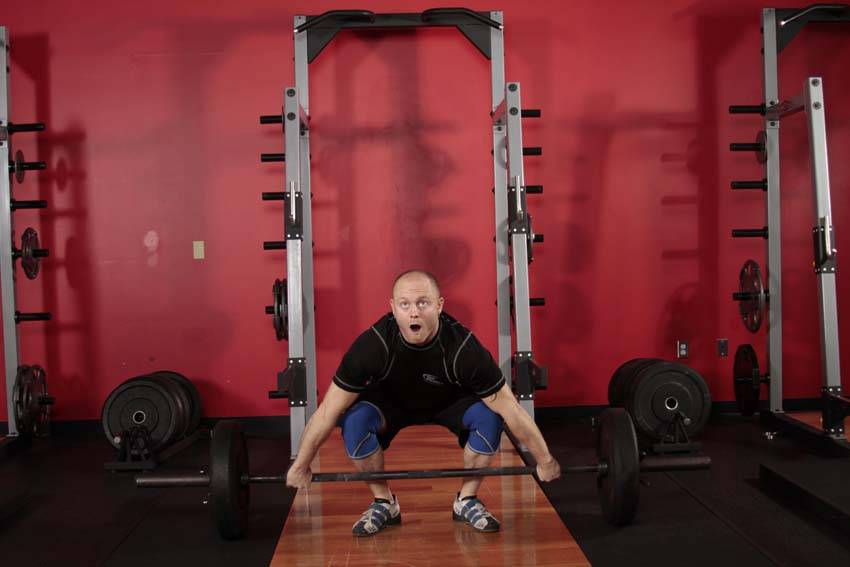 Starting position
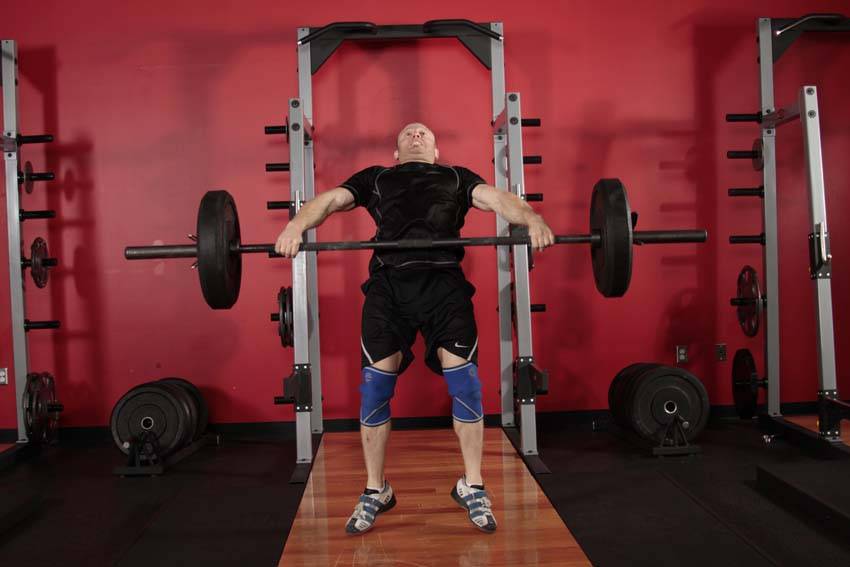 End position
How to Do Snatch
- Place your feet at a shoulder width stance with the barbell resting right above the connection between the toes and the rest of the foot.
- With a palms facing down grip, bend at the knees and keeping the back flat grab the bar using a wider than shoulder width grip. Bring the hips down and make sure that your body drops as if you were going to sit on a chair. This will be your starting position.
- Start pushing the floor as if it were a moving platform with your feet and simultaneously start lifting the barbell keeping it close to your legs.
- As the bar reaches the middle of your thighs, push the floor with your legs and lift your body to a complete extension in an explosive motion.
- Lift your shoulders back in a shrugging movement as you bring the bar up while lifting your elbows out to the side and keeping them above the bar for as long as possible.
- Now in a very quick but powerful motion, you have to get your body under the barbell when it has reached a high enough point where it can be controlled and drop while locking your arms and holding the barbell overhead as you assume a squat position.
- Finalize the movement by rising up out of the squat position to finish the lift. At the end of the lift both feet should be on line and the arms fully extended holding the barbell overhead.
Muscles Worked
Alternatives to Snatch
10 movements that train the same primary muscle, closest substitutes first — same kind of training, then variations of the movement itself, then a similar difficulty.
-
1
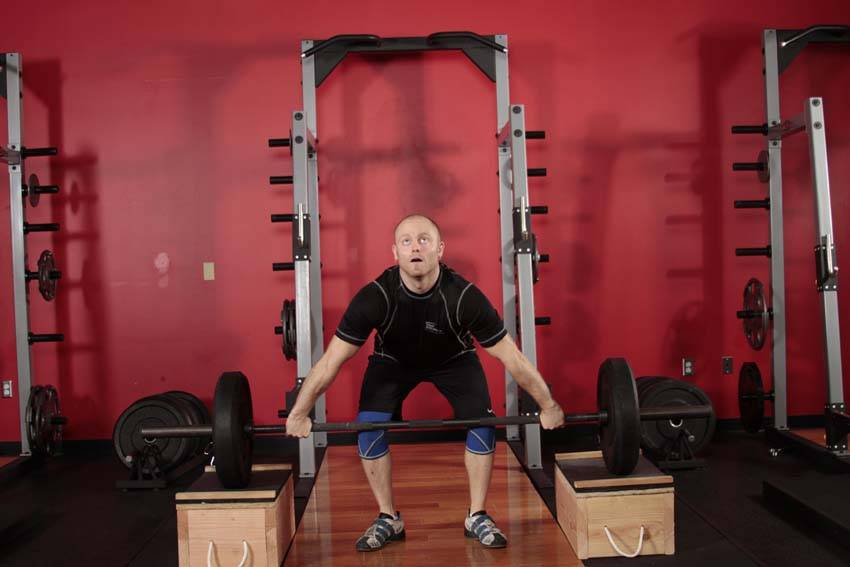
Power Snatch from Blocks
An intermediate compound Olympic weightlifting exercise that works the quads, using a barbell.
-
2
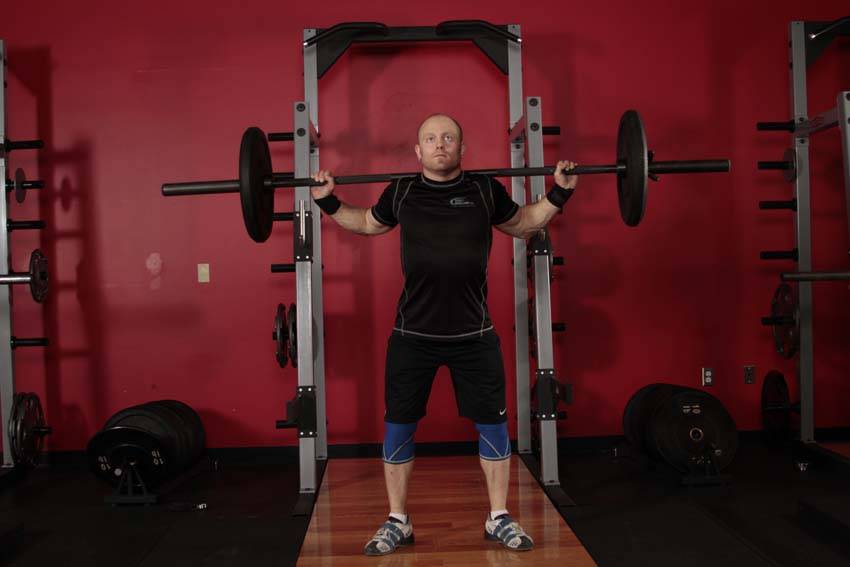
Heaving Snatch Balance
An intermediate compound Olympic weightlifting exercise that works the quads, using a barbell.
-
3
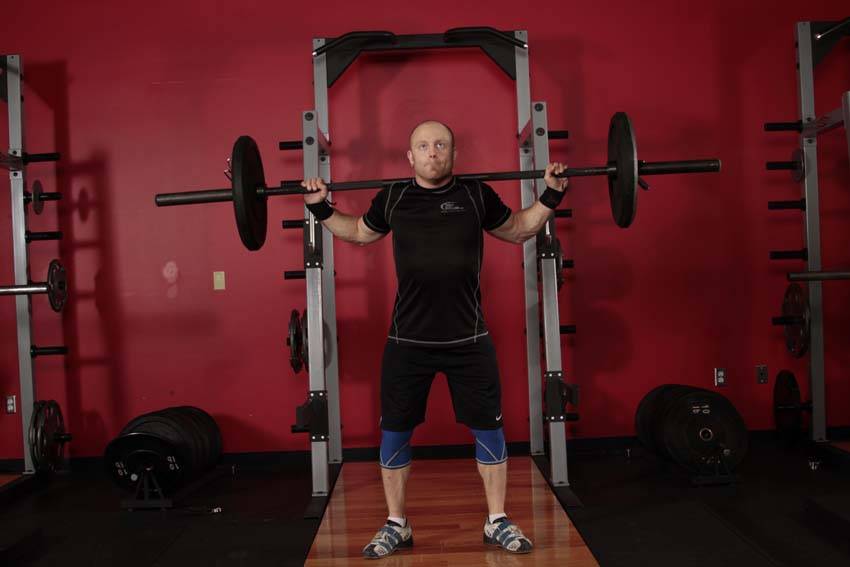
Snatch Balance
An intermediate compound Olympic weightlifting exercise that works the quads, using a barbell.
-
4
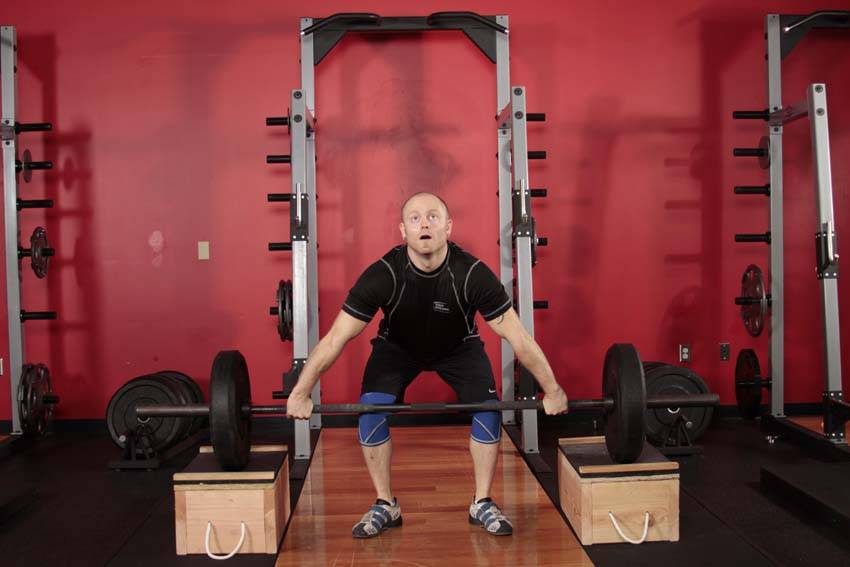
Snatch from Blocks
An advanced compound Olympic weightlifting exercise that works the quads, using a barbell.
-
5
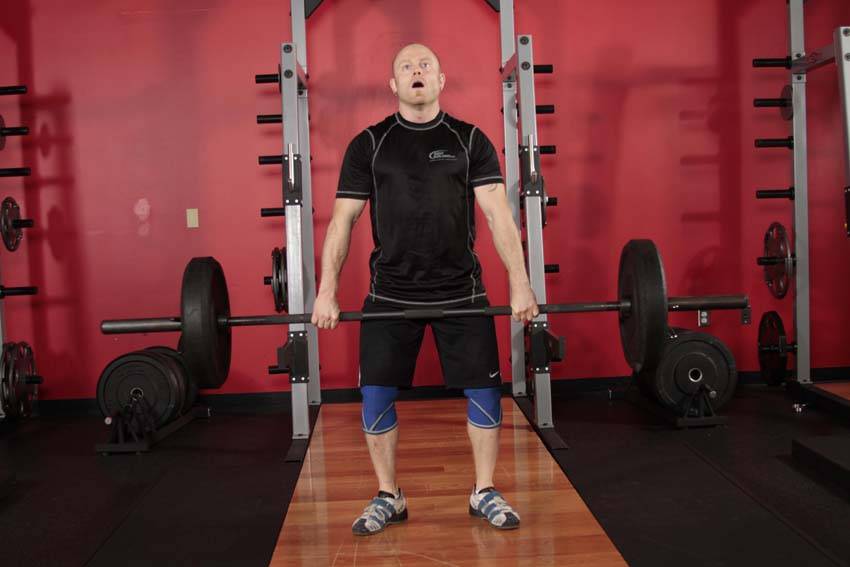
Hang Clean
An intermediate compound Olympic weightlifting exercise that works the quads, using a barbell.
-
6
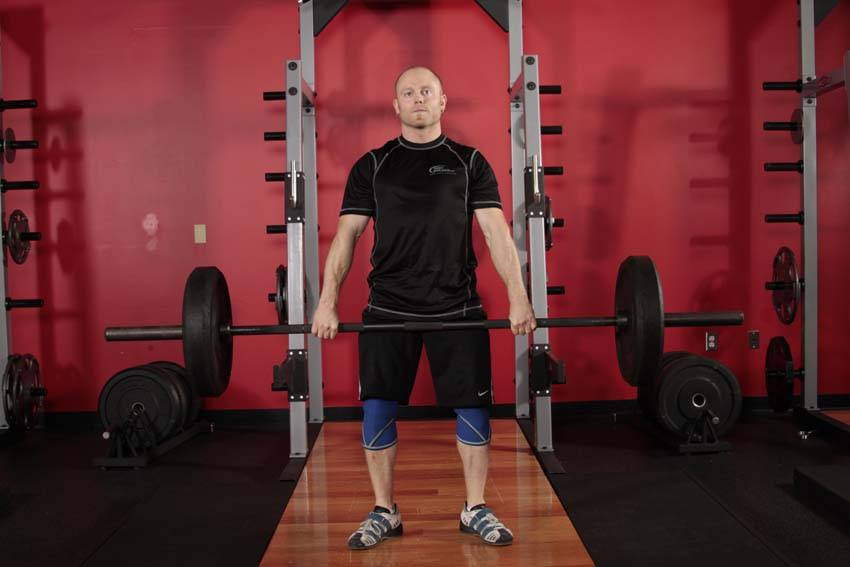
Hang Clean - Below the Knees
An intermediate compound Olympic weightlifting exercise that works the quads, using a barbell.
-
7
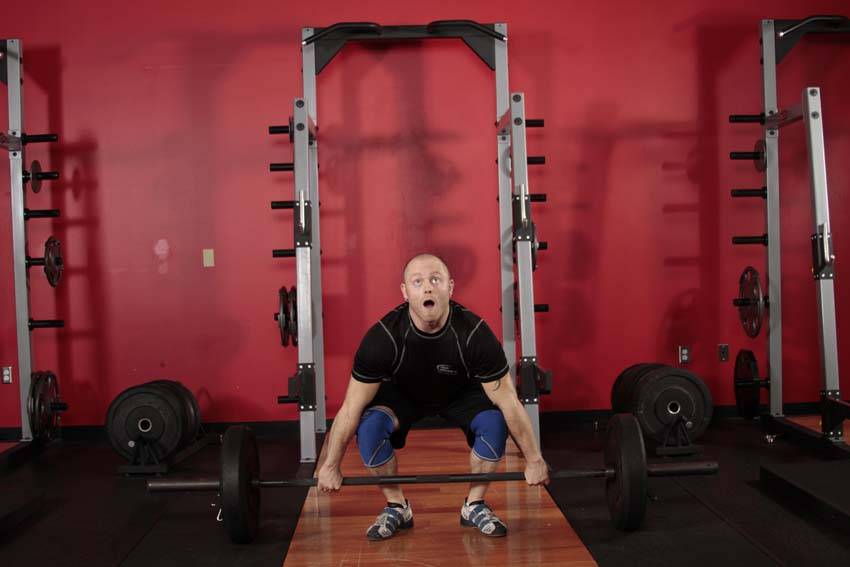
Split Clean
An intermediate compound Olympic weightlifting exercise that works the quads, using a barbell.
-
8
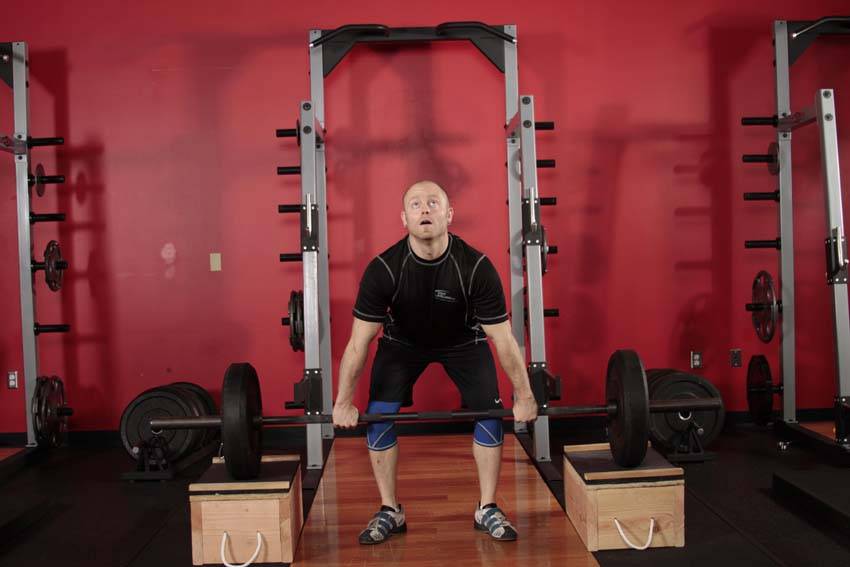
Clean from Blocks
An intermediate compound Olympic weightlifting exercise that works the quads, using a barbell.
-
9
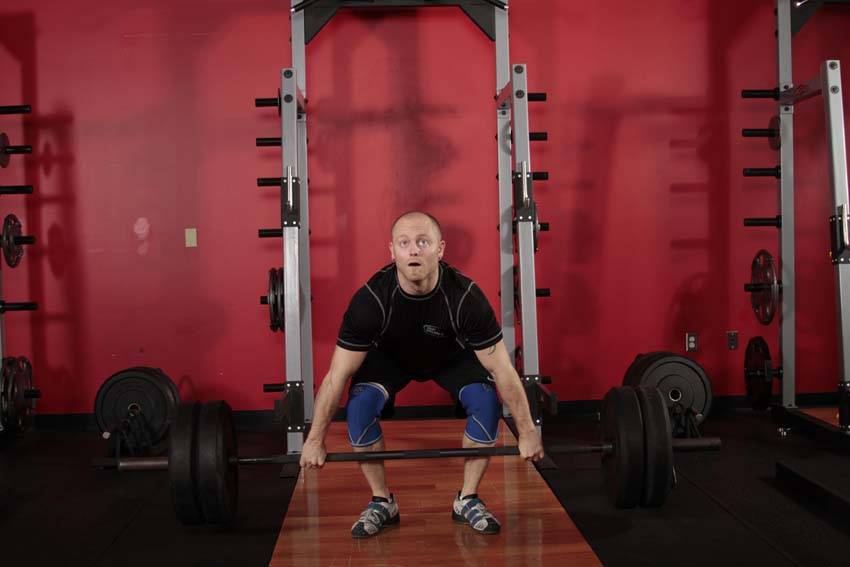
Clean Pull
An intermediate compound Olympic weightlifting exercise that works the quads, using a barbell.
-
10
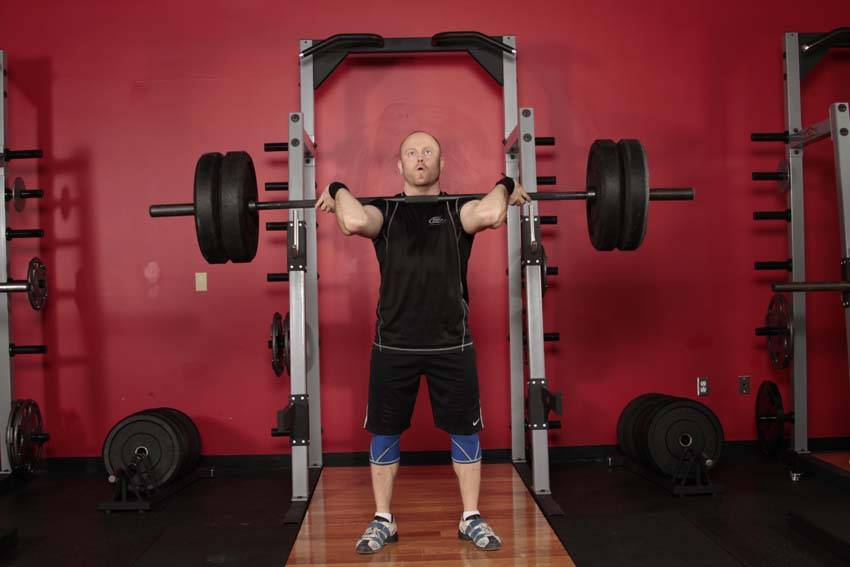
Split Jerk
An intermediate compound Olympic weightlifting exercise that works the quads, using a barbell.
Frequently Asked Questions
What muscles do snatch work?
Snatch primarily works the quads. The biceps, glutes, hamstrings, lower back, shoulders, traps and triceps assist as secondary muscles.
What equipment do I need for snatch?
Snatch uses barbell.
Snatch: is it suitable for beginners?
Snatch is rated intermediate. Movements that assume you already own the basic pattern and are ready to load it.
What can I do instead of snatch?
Power Snatch from Blocks, Heaving Snatch Balance, Snatch Balance train the same primary muscles and are listed with 7 more alternatives above.
Can Fitnit count my snatch reps automatically?
Not automatically yet. Fitnit's AI rep counting covers push-ups, squats, dumbbell curls, crunches and pull-ups today; snatch can be logged manually in the app, and tracked movements are added over time.
Photographs and step-by-step instructions from free-exercise-db, a public-domain exercise dataset. Muscle mapping and alternatives by Fitnit.
Track Your Snatch with AI
Fitnit automatically tracks push-ups, crunches, squats, pull-ups, and curls with advanced body tracking technology — and you can manually input any other workout too. Start free — Pro is $8.99/month.