Sumo Deadlift with Chains
An intermediate compound powerlifting exercise that works the hamstrings, using a barbell.
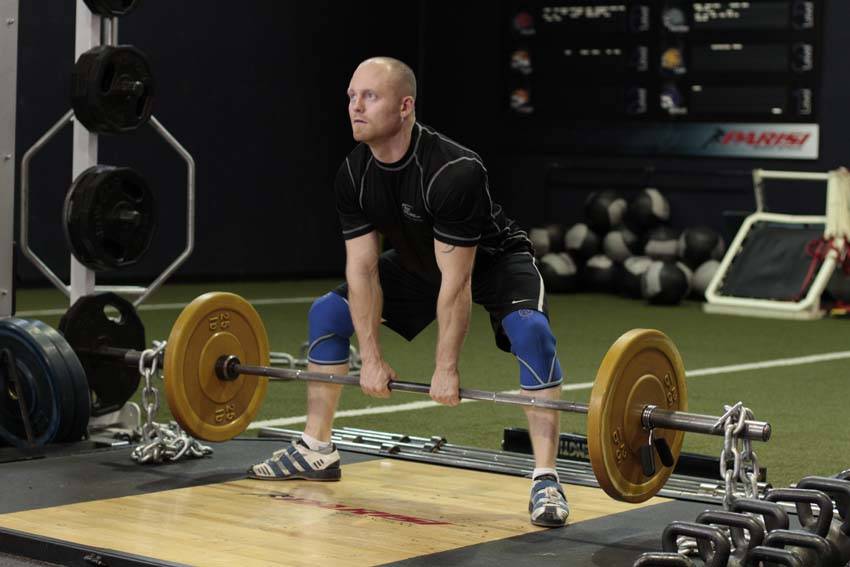 Starting position
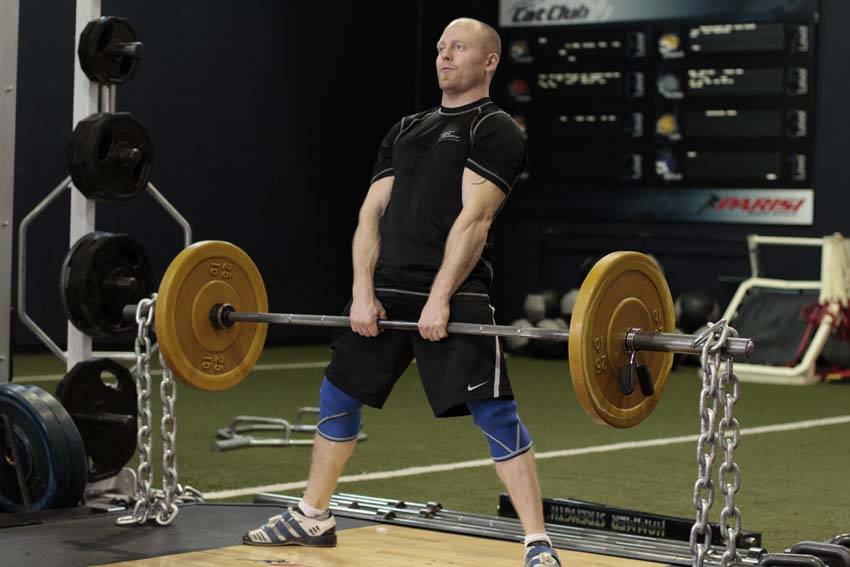 End position
How to Do Sumo Deadlift with Chains
- You can attach the chains to the sleeves of the bar, or just drape the middle over the bar so there is a greater weight increase as you lift. Attempt to keep the ends of the chains away from the plates so you don't hit them when you lower the weight.
- Begin with a bar loaded on the ground. Approach the bar so that the bar intersects the middle of the feet. The feet should be set very wide, near the collars. Bend at the hips to grip the bar. The arms should be directly below the shoulders, inside the legs, and you can use a pronated grip, a mixed grip, or hook grip. Relax the shoulders, which in effect lengthens your arms.
- Take a breath, and then lower your hips, looking forward with your head with your chest up. Drive through the floor, spreading your feet apart, with your weight on the back half of your feet. Extend through the hips and knees.
- As the bar passes through the knees, lean back and drive the hips into the bar, pulling your shoulder blades together.
- Return the weight to the ground by bending at the hips and controlling the weight on the way down.
Muscles Worked
Secondary
Assisting and stabilising muscles.
Alternatives to Sumo Deadlift with Chains
10 movements that train the same primary muscle, closest substitutes first — same kind of training, then variations of the movement itself, then a similar difficulty.
-
1
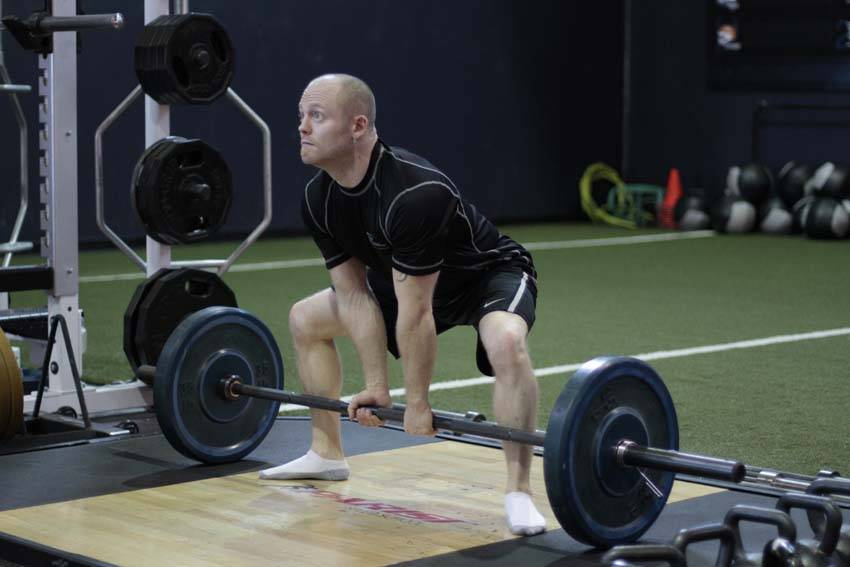
Sumo Deadlift
An intermediate compound powerlifting exercise that works the hamstrings, using a barbell.
-
2
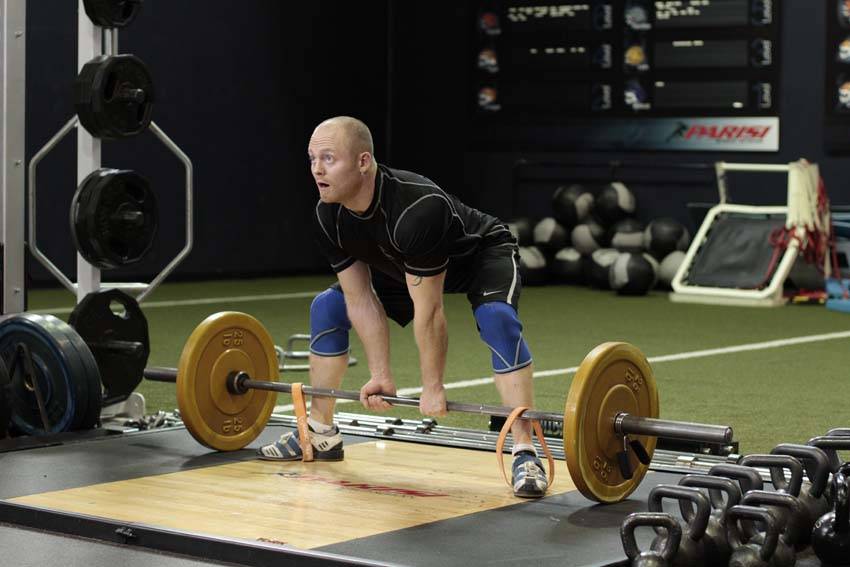
Sumo Deadlift with Bands
An intermediate compound powerlifting exercise that works the hamstrings, using a barbell.
-
3
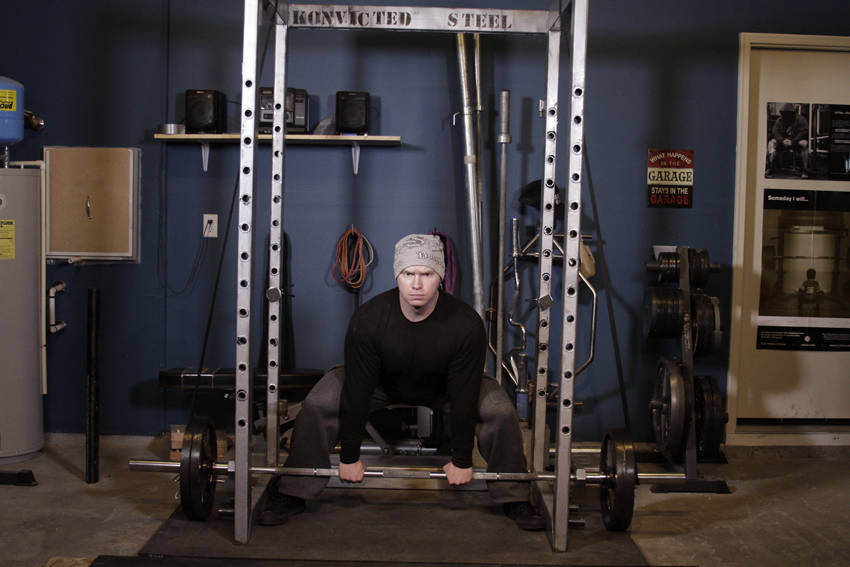
Reverse Band Sumo Deadlift
An advanced compound powerlifting exercise that works the hamstrings, using a barbell.
-
4
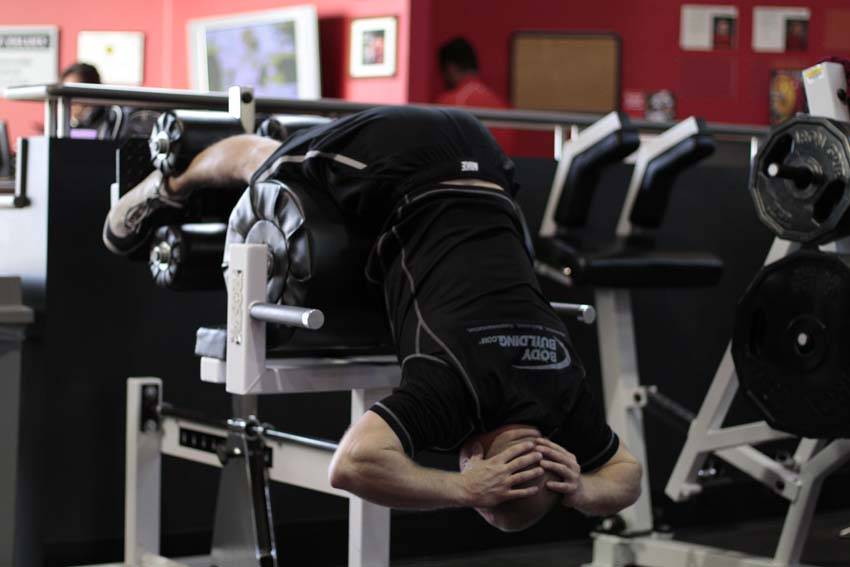
Glute Ham Raise
An intermediate compound powerlifting exercise that works the hamstrings, using a machine.
-
5
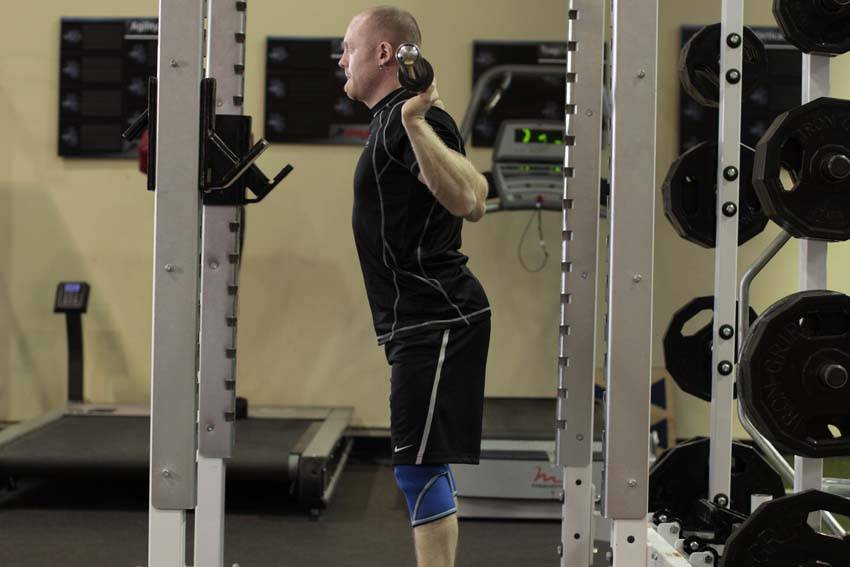
Good Morning
An intermediate compound powerlifting exercise that works the hamstrings, using a barbell.
-
6
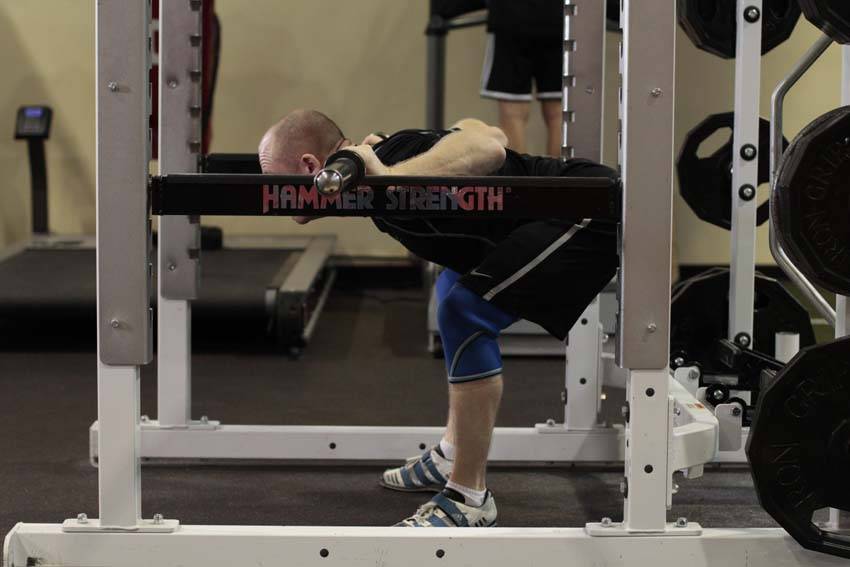
Good Morning off Pins
An intermediate compound powerlifting exercise that works the hamstrings, using a barbell.
-
7
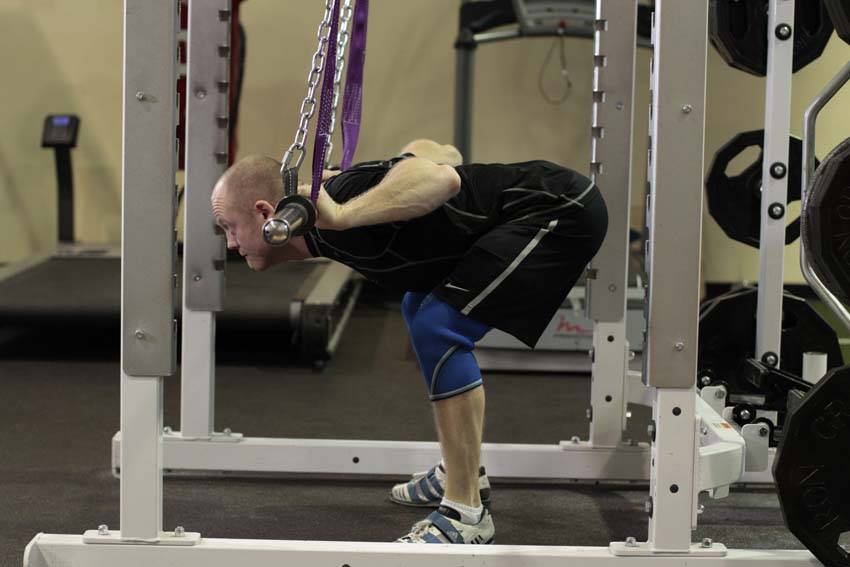
Hanging Bar Good Morning
An intermediate compound powerlifting exercise that works the hamstrings, using a barbell.
-
8
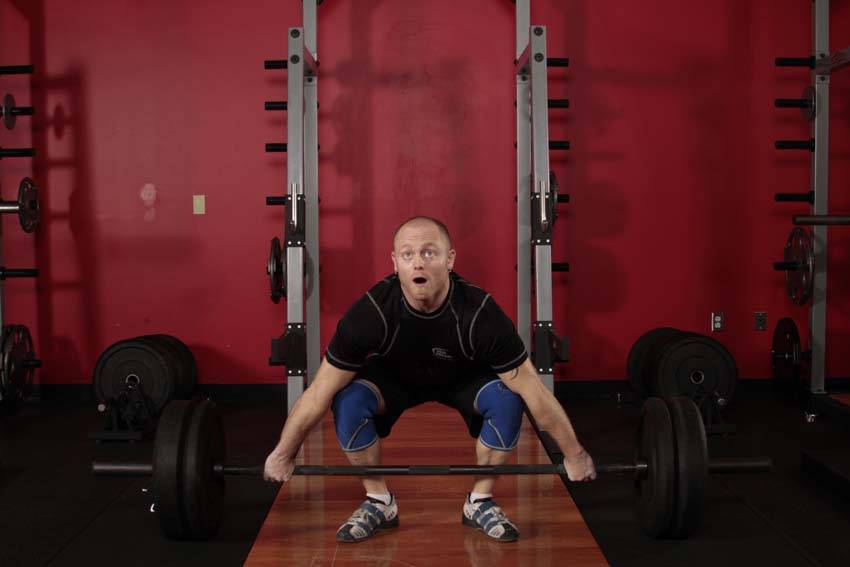
Snatch Deadlift
An intermediate compound Olympic weightlifting exercise that works the hamstrings, using a barbell.
-
9
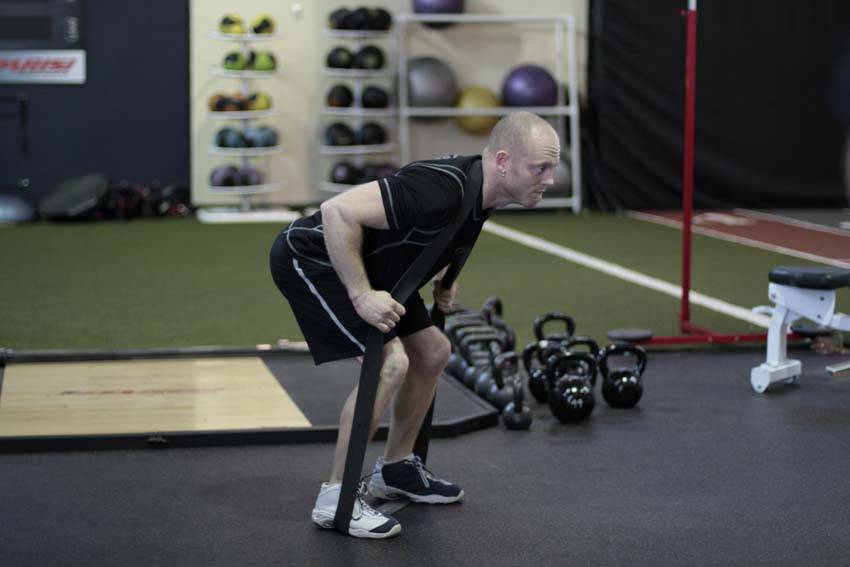
Band Good Morning
A beginner compound powerlifting exercise that works the hamstrings, using a resistance band.
-
10
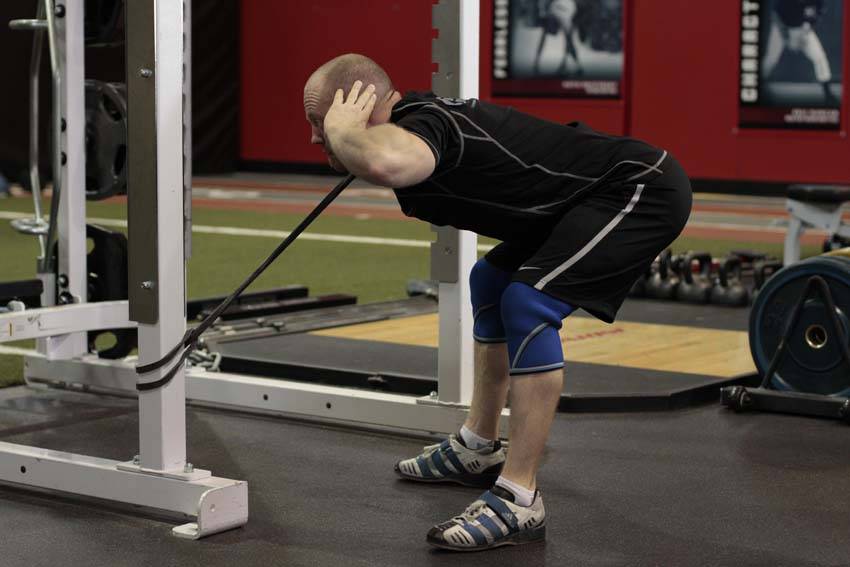
Band Good Morning (Pull Through)
A beginner compound powerlifting exercise that works the hamstrings, using a resistance band.
Frequently Asked Questions
What muscles do sumo deadlift with chains work?
Sumo Deadlift with Chains primarily works the hamstrings. The glutes, inner thighs, forearms, lower back, upper back, quads and traps assist as secondary muscles.
What equipment do I need for sumo deadlift with chains?
Sumo Deadlift with Chains uses barbell.
Sumo Deadlift with Chains: is it suitable for beginners?
Sumo Deadlift with Chains is rated intermediate. Movements that assume you already own the basic pattern and are ready to load it.
What can I do instead of sumo deadlift with chains?
Sumo Deadlift, Sumo Deadlift with Bands, Reverse Band Sumo Deadlift train the same primary muscles and are listed with 7 more alternatives above.
Can Fitnit count my sumo deadlift with chains reps automatically?
Not automatically yet. Fitnit's AI rep counting covers push-ups, squats, dumbbell curls, crunches and pull-ups today; sumo deadlift with chains can be logged manually in the app, and tracked movements are added over time.
Photographs and step-by-step instructions from free-exercise-db, a public-domain exercise dataset. Muscle mapping and alternatives by Fitnit.
Track Your Sumo Deadlift with Chains with AI
Fitnit automatically tracks push-ups, crunches, squats, pull-ups, and curls with advanced body tracking technology — and you can manually input any other workout too. Start free — Pro is $8.99/month.