Tate Press
An intermediate isolation strength exercise that works the triceps, using dumbbells.
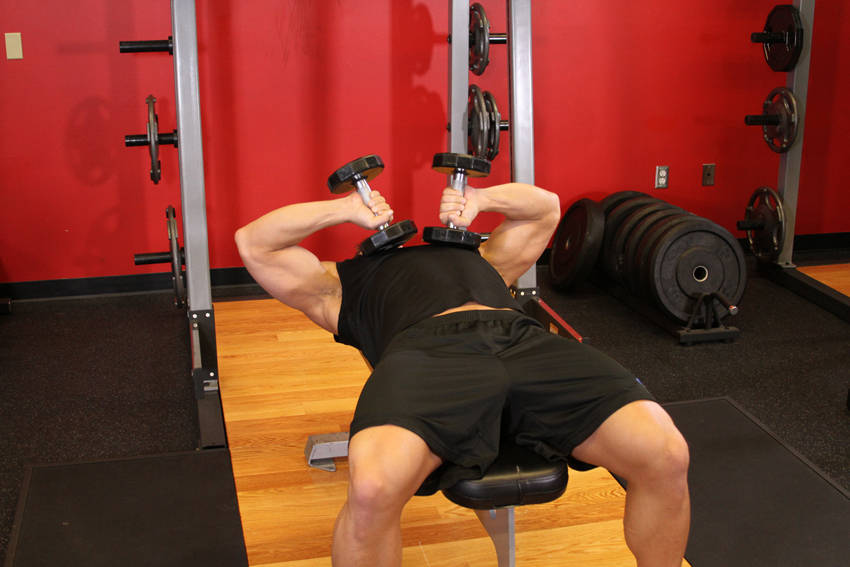 Starting position
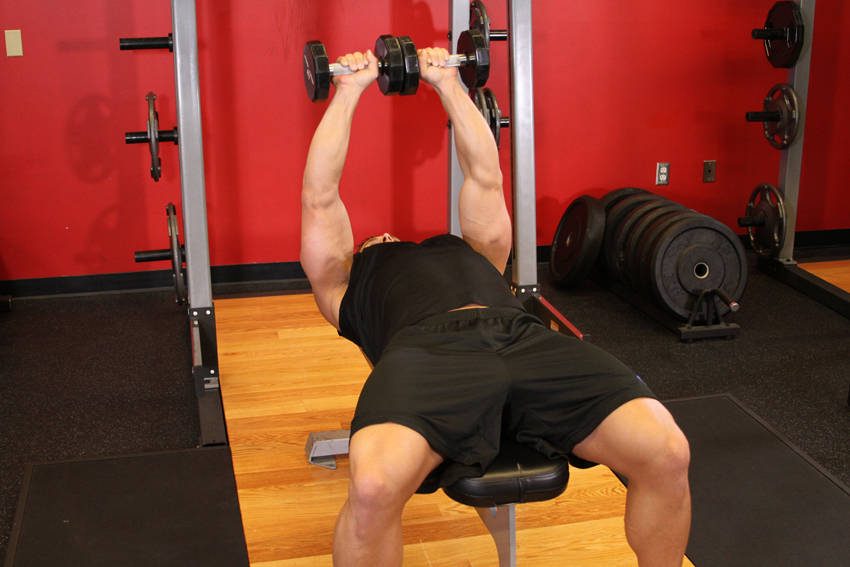 End position
How to Do Tate Press
- Lie down on a flat bench with a dumbbell in each hand on top of your thighs. The palms of your hand will be facing each other.
- By using your thighs to help you get the dumbbells up, clean the dumbbells one arm at a time so that you can hold them in front of you at shoulder width. Note: when holding the dumbbells in front of you, make sure your arms are wider than shoulder width apart from each other using a pronated (palms forward) grip. Allow your elbows to point out. This is your starting position.
- Keeping the upper arms stationary, slowly move the dumbbells in and down in a semi circular motion until they touch the upper chest while inhaling. Keep full control of the dumbbells at all times and do not move the upper arms nor rest the dumbbells on the chest.
- As you breathe out, move the dumbbells up using your triceps and the same semi-circular motion but in reverse. Attempt to keep the dumbbells together as they move up. Lock your arms in the contracted position, hold for a second and then start coming down again slowly again. Tip: It should take at least twice as long to go down than to come up.
- Repeat the movement for the prescribed amount of repetitions of your training program.
Muscles Worked
Alternatives to Tate Press
10 movements that train the same primary muscle, closest substitutes first — same kind of training, then variations of the movement itself, then a similar difficulty.
-
1
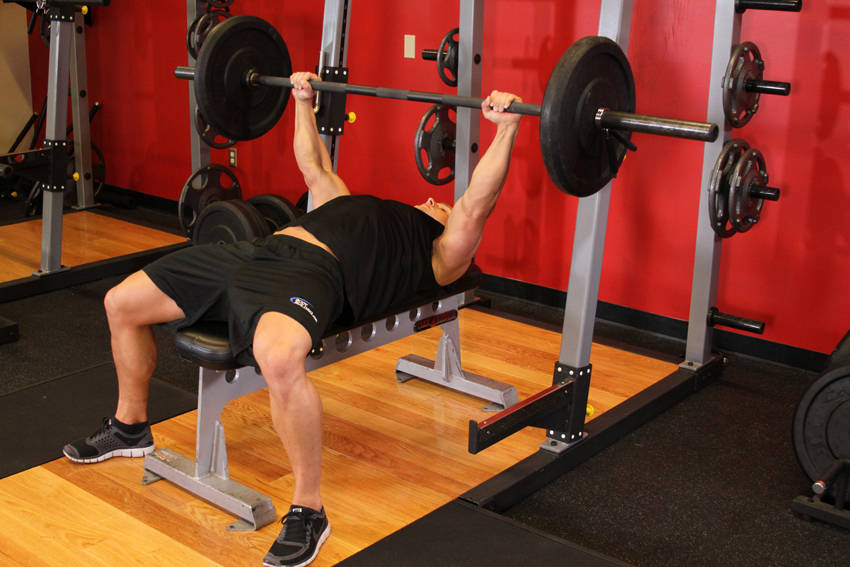
Bench Press
The bench press is the most popular upper body exercise for building chest strength and muscle mass. It's a compound movement that also develops the triceps and anterior deltoids.
-
2
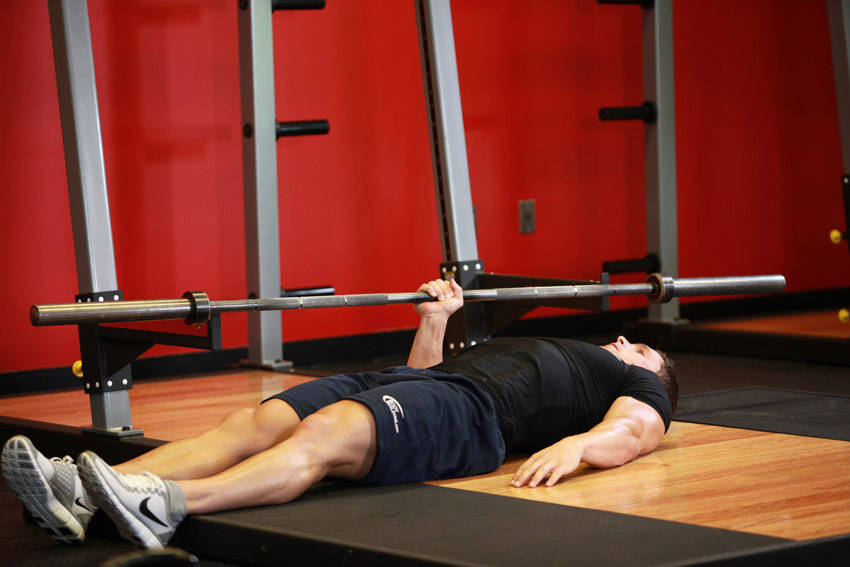
One Arm Floor Press
An intermediate compound strength exercise that works the triceps, using a barbell.
-
3
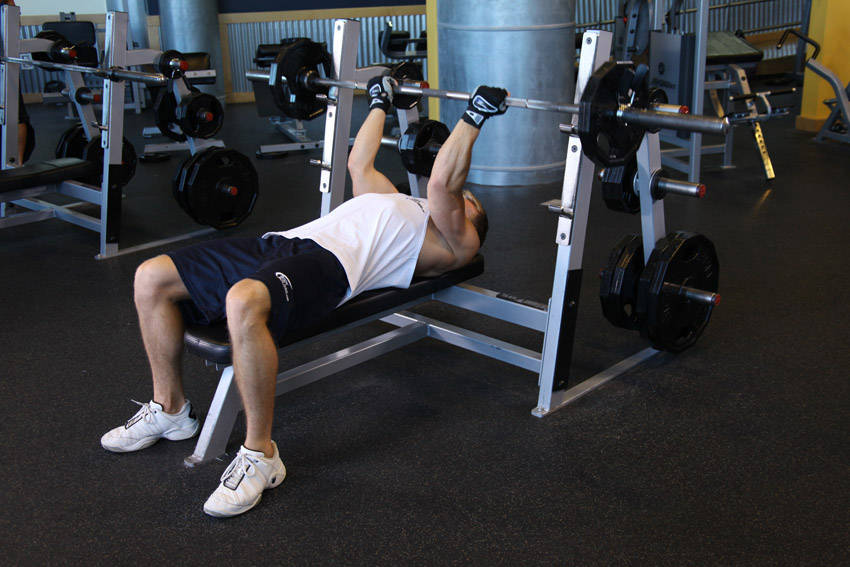
Reverse Triceps Bench Press
An intermediate compound strength exercise that works the triceps, using a barbell.
-
4
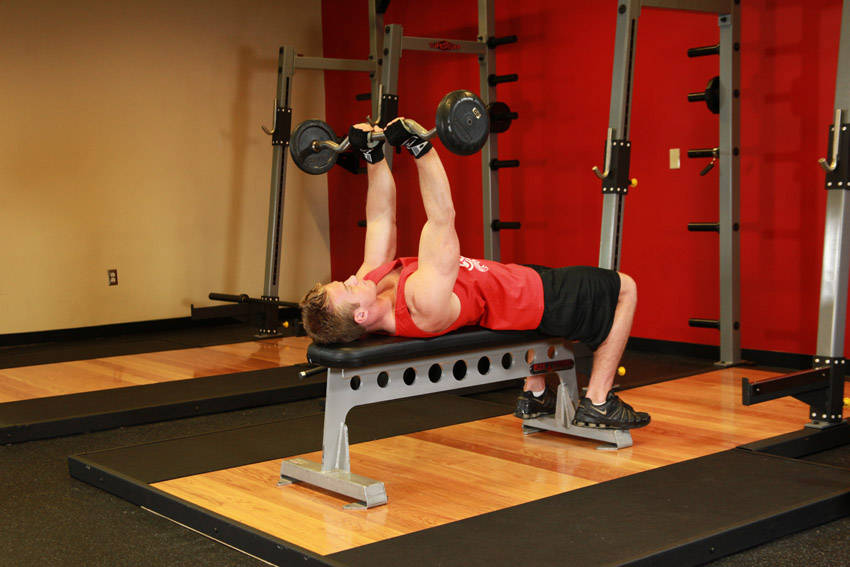
Lying Close-Grip Barbell Triceps Press To Chin
An intermediate isolation strength exercise that works the triceps, using an E-Z curl bar.
-
5
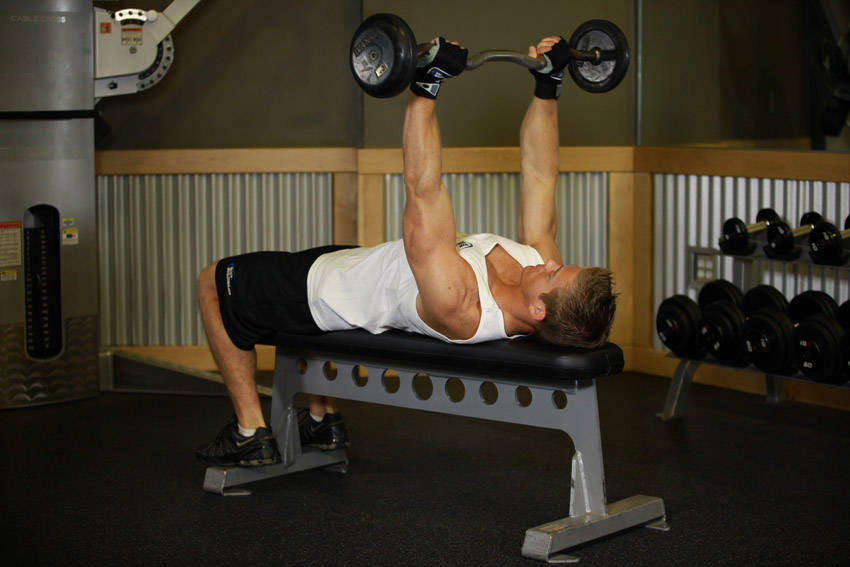
Lying Triceps Press
An intermediate isolation strength exercise that works the triceps, using an E-Z curl bar.
-
6
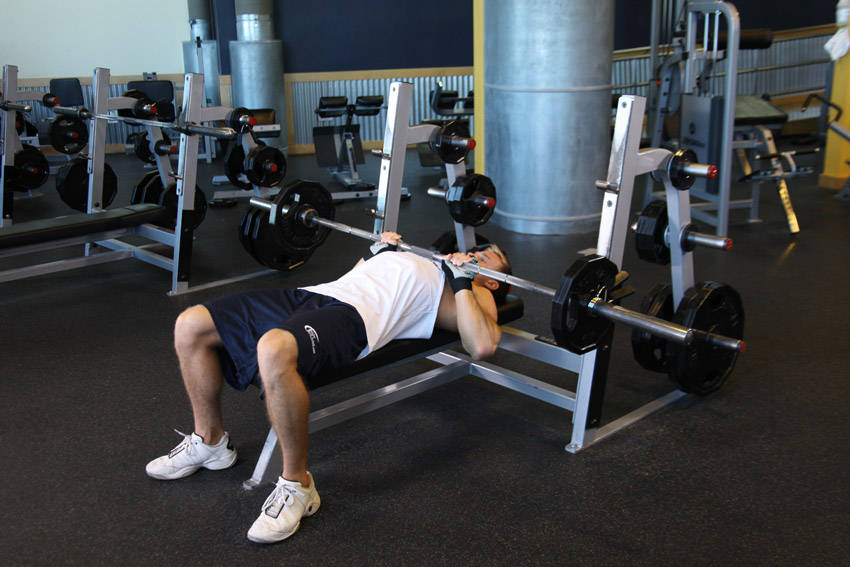
Close-Grip Barbell Bench Press
A beginner compound strength exercise that works the triceps, using a barbell.
-
7
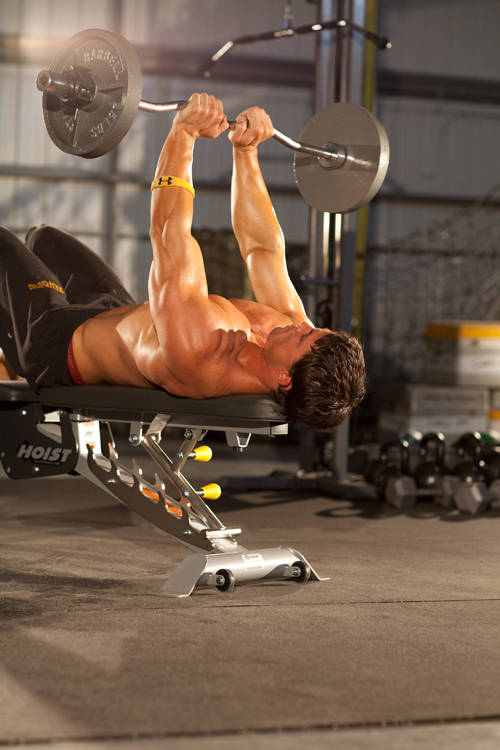
Close-Grip EZ-Bar Press
A beginner compound strength exercise that works the triceps, using an E-Z curl bar.
-
8
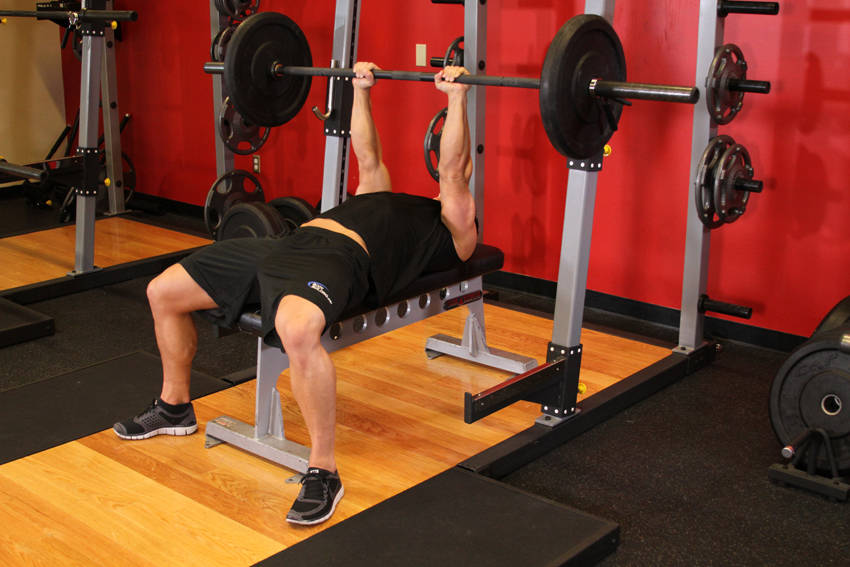
JM Press
A beginner compound strength exercise that works the triceps, using a barbell.
-
9
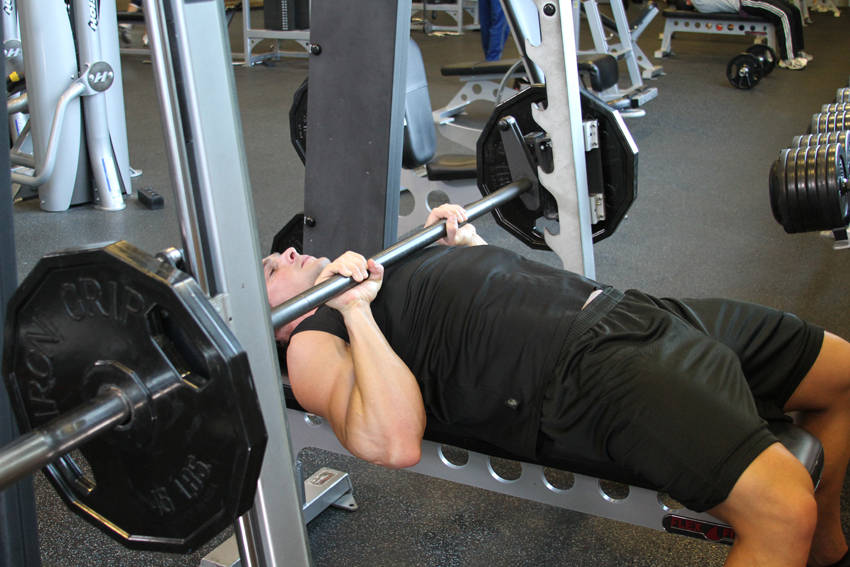
Smith Machine Close-Grip Bench Press
A beginner compound strength exercise that works the triceps, using a machine.
-
10
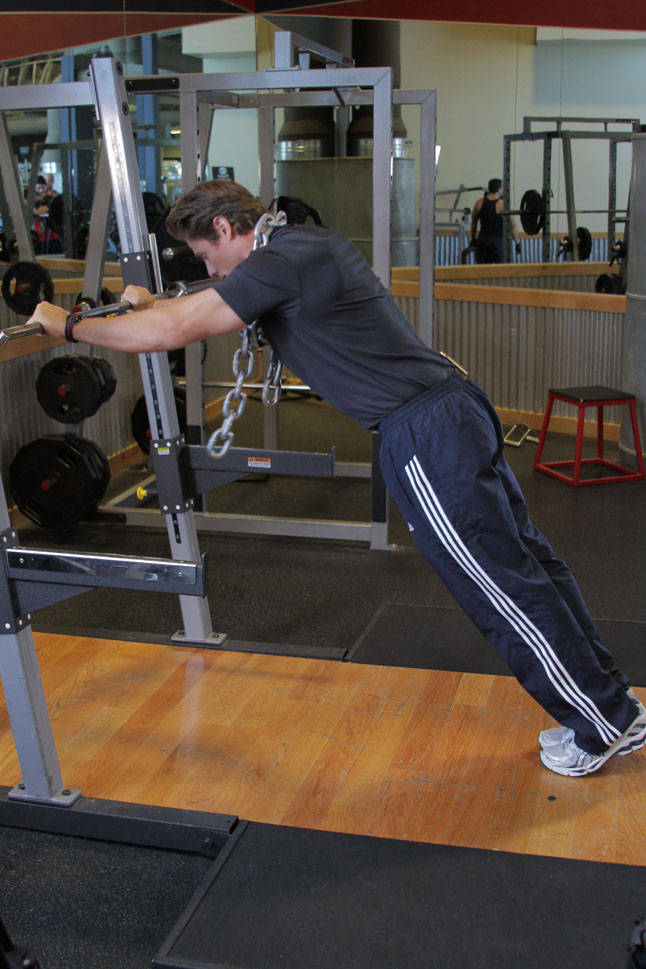
Body Tricep Press
A beginner isolation strength exercise that works the triceps, needing no equipment.
Frequently Asked Questions
What muscles do tate press work?
Tate Press primarily works the triceps. The chest and shoulders assist as secondary muscles.
What equipment do I need for tate press?
Tate Press uses dumbbells.
Tate Press: is it suitable for beginners?
Tate Press is rated intermediate. Movements that assume you already own the basic pattern and are ready to load it.
What can I do instead of tate press?
Bench Press, One Arm Floor Press, Reverse Triceps Bench Press train the same primary muscles and are listed with 7 more alternatives above.
Can Fitnit count my tate press reps automatically?
Not automatically yet. Fitnit's AI rep counting covers push-ups, squats, dumbbell curls, crunches and pull-ups today; tate press can be logged manually in the app, and tracked movements are added over time.
Photographs and step-by-step instructions from free-exercise-db, a public-domain exercise dataset. Muscle mapping and alternatives by Fitnit.
Track Your Tate Press with AI
Fitnit automatically tracks push-ups, crunches, squats, pull-ups, and curls with advanced body tracking technology — and you can manually input any other workout too. Start free — Pro is $8.99/month.